
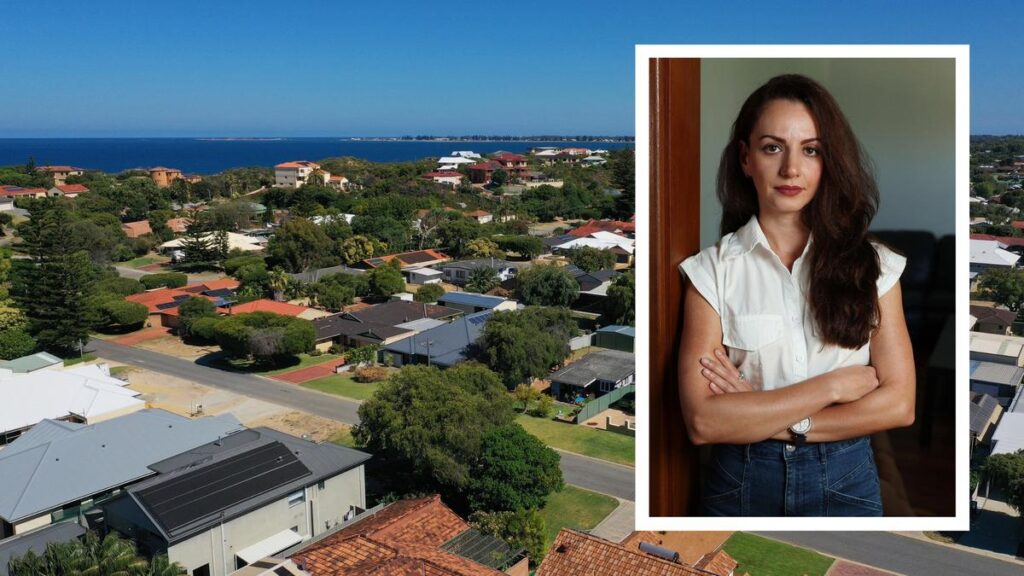
Accountant Reihaneh Kargar is among those missing out, having tried to buy since 2020.
Perth’s housing market is experiencing an unprecedented shrinkage, with property listings plummeting to a record low. As of December 2025, Greater Perth reported only 1,881 listings, comprising 1,148 houses, 409 units, and 324 parcels of land. This stark contrast to the 4,395 listings available at the same time last year highlights a significant supply shortage.
According to the latest figures from the Real Estate Institute of WA (REIWA), the availability of houses has decreased by 59 percent over the past year and a staggering 84 percent compared to six years ago. This dwindling inventory has intensified competition among potential buyers, driving prices higher and positioning home ownership further beyond the reach of many younger West Australians.
“The current market conditions could lead to price growth exceeding 10 percent in 2026 if they continue,” said Suzanne Brown, CEO of REIWA. “We have seen the return of FOMO (fear of missing out), with strong competition leading to offers above asking prices and homes selling at record speeds.”
In December, properties sold in a median of just nine days, which is seven days faster than the previous year. In highly sought-after areas, such as Parkwood, homes were selling in as little as three days, while other neighborhoods like Warnbro and Girrawheen saw sales complete in four to five days.
Despite the typical seasonal slowdown in December, when many potential sellers pause due to the festive period, the current listings remain significantly below long-term averages. “Demand continues to soar, creating an imbalance that pushes prices up,” added Brown.
Real estate agent Shane Beaumont noted the drastic change in market dynamics. “In Gosnells, a three-bedroom, one-bathroom house is now fetching between $750,000 and $800,000,” he said. “Just a few years ago, my listings would have numbered around 40; now I have only seven.”
For individuals like Reihaneh Kargar, the struggle to secure a home has taken a toll. “It’s a mental strain like no other,” she expressed, citing the fierce competition and skyrocketing prices that have reduced her options. “I feel like there’s no point in attending home opens anymore, as the lines of people competing for such a limited number of properties make it disheartening.”
Former REIWA head Damian Collins emphasized the need for a significant increase in listings to restore balance to the market. “We would need at least 13,000 properties for sale,” he stated. “Given ongoing population growth and constraints in the building industry, it will be years before we see a balanced market again.”
As homeowners hesitate to sell, fearing they may not find suitable replacements, a logjam has formed in the market. “People want to sell, but they face challenges in finding a new home in the current climate,” Brown explained. “With the speed of sales and limited availability, many are worried about being rushed into a purchase.”
In areas like Ellenbrook, the median price for a four-bedroom, two-bathroom home has skyrocketed to approximately $900,000, up from $500,000 in 2022, according to local agent Mark Snelson.
The financial burden of moving is another deterrent for potential sellers. “While homeowners could achieve a good price for their properties, upgrading could mean extending their mortgages significantly,” Brown noted. The impact of stamp duty on new purchases further complicates decisions, especially amid concerns over potential interest rate increases.
To address these market challenges, REIWA has proposed a $10,000 stamp duty concession for eligible downsizers in the upcoming 2026-27 State Budget. This initiative aims to encourage mobility within the market, which is essential given the high demand for family-sized homes that many downsizers currently occupy.
The rental market is also facing severe strain, with only 1,716 properties available by the end of December, marking a nearly 25 percent drop from November. Homes on the rental market are leasing in just 16 days, and the median weekly rent for a house has reached $700, a significant increase from $370 six years ago.
The waiting list for public housing has surged to 23,168 people, with an average wait time of 99 weeks. Mark Glasson, head of Anglicare, has called for action to address the long-standing issue of social housing underspend in Western Australia, proposing the creation of a WA Housing Future Fund to ensure a steady pipeline of housing development.
In response to the escalating housing crisis, WA Housing Minister John Carey asserted that the government remains focused on increasing supply. Since 2021, the Cook Government has committed a record $6.3 billion to housing initiatives. Recent measures include the development of apartment construction near train stations and the establishment of a $50 million Housing Innovation Fund aimed at boosting modular and alternative housing solutions.
As Perth navigates this challenging real estate landscape, the urgent need for solutions to enhance housing availability and affordability remains critical for many residents.