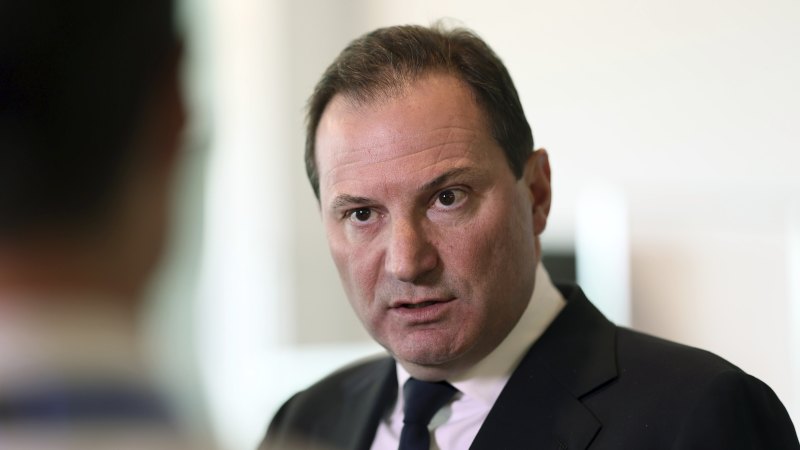
On February 12, 2026, Frank Calabria, chief executive of Origin Energy, expressed cautious optimism regarding household energy bills in Australia. He highlighted that increased contributions from renewable energy sources and battery storage are significantly reducing electricity generation costs. This shift could provide much-needed relief for consumers if the current positive trend continues.
Record Renewable Energy Output
During a recent quarter, Australia experienced a landmark achievement in its energy transition. Wind, solar, hydro, and battery discharges supplied over half of the electricity for the eastern seaboard’s main grid for the first time. This increase in renewable output, combined with an unusually stable coal-fired power sector, contributed to a remarkable 44 percent reduction in wholesale electricity prices from September to December 2025. This price reflects what retailers pay to power generators.
Calabria noted that if the current wholesale prices persist, they should translate into lower retail tariffs for consumers. Although immediate impacts on retail prices may not be visible, regulatory bodies will incorporate these changes when drafting annual default market offers in March. These offers set the maximum price retailers can charge customers who do not select specific plans.
Challenges Ahead
Despite the favorable wholesale price developments, Calabria warned that several factors could influence the retail price of electricity. Network charges, which cover the construction and maintenance of power infrastructure, can account for around 40 percent of an average energy bill. These costs may counterbalance potential savings from reduced wholesale prices as Australia works to expand its energy infrastructure to meet growing demand.
This year’s default market offers will hold particular significance for households following the Albanese government‘s December announcement to end its energy bill rebate of $75 per quarter. Although the surge in renewable energy and battery discharges is helping stabilize prices, Calabria emphasized that the retail impact of lower wholesale prices is not guaranteed. Sudden outages at power stations or adverse weather conditions could quickly shift market dynamics, particularly during peak demand periods.
Electricity bills have soared by hundreds of dollars annually in Australia since 2022, largely due to the repercussions of Russia’s invasion of Ukraine, which inflated coal and gas prices. This situation has escalated the overall cost of electricity generation. Furthermore, the pace of new renewable projects and transmission infrastructure development has not kept up with the closures of coal-fired power stations, which continue to provide essential backup for intermittent renewable sources.
In response to warnings from authorities about the grid’s preparedness for future challenges, Origin Energy recently agreed to delay the closure of the Eraring generator, Australia’s largest coal-fired power station. The company serves over 4 million customers across the nation and has diversified its operations to include coal and gas-fired generation, renewable energy, and large-scale battery storage.
On February 12, Origin Energy raised its profit target for the upcoming year after reporting stronger-than-expected underlying earnings of $593 million. As the energy landscape continues to evolve, the potential for reduced costs offers a glimmer of hope for Australian households facing high electricity bills.