Residents of Wallaroo, a hamlet on the outskirts of Canberra, are contemplating their next steps following a court’s dismissal of their appeal against the approval of a solar farm. The project, which aims to establish a 100 megawatt solar facility across 165 hectares of grazing land, was initially sanctioned by the Independent Planning Commission in 2024.
Local residents, including Ben Faulks and Johnny Roso, voiced their concerns about the impact the solar farm would have on the rural character of their community. Their appeal was presented at the NSW Land and Environment Court, where they argued that the development could adversely affect the landscape and scenic quality of Wallaroo. Additionally, they contended that the renewable energy project was not in alignment with the long-term settlement plans set by the Yass Valley Council.
During the court proceedings, Commissioner Susan O’Neill reviewed the site and heard testimonies from local residents regarding their concerns. These included potential visual impacts, the proximity of the solar farm to a nearby nature reserve, and fire safety risks. The planning department had received over 100 submissions regarding the project during its approval phase, the majority of which expressed opposition.
On Thursday, O’Neill ruled that the solar farm serves the broader public interest, noting that it would power approximately 40,000 homes in New South Wales and the Australian Capital Territory. She emphasized that renewable energy plays a crucial role in reducing greenhouse gas emissions and that the Wallaroo project would foster job creation and attract investment in local services.
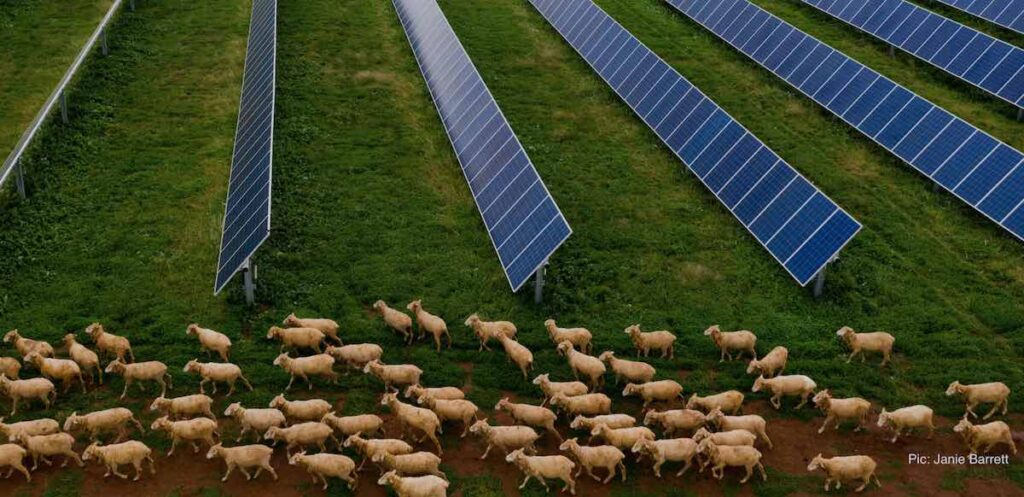
In her ruling, O’Neill rejected claims regarding potential negative effects on the landscape and agriculture, asserting that the land could still be utilized for grazing. She stated, “Large-scale solar energy developments are not by their nature inconsistent with maintaining a rural character.”
Faulks expressed his disappointment with the court’s decision, stating that he and other residents are now considering their legal options. Many community members chose to live in Wallaroo for its peaceful surroundings, and Faulks remarked, “An industrial development of this nature is not aligned with this area.” He highlighted the emotional toll on residents, mentioning concerns about increased traffic and safety for children in the area.
Faulks further articulated the need for clearer standards regarding the benefit-sharing of renewable energy projects and called for enhanced community engagement in the planning process. “On face value, renewable energy makes sense,” he said. “But there needs to be a clear set of federal government guidelines on where these projects are located… and how it affects communities.”
The Independent Planning Commission’s approval included conditions for construction, such as tree planting for visual screening, improvements to local roads, and detailed plans for decommissioning the solar farm once it reaches the end of its operational life.
As the legal options are weighed, the residents of Wallaroo face a pivotal moment in their ongoing battle over the future of their community and the increasing push towards renewable energy development across Australia.