Svangvitaya L.L.C., the operator of San Diego’s iconic Sala Thai restaurant, has officially filed for Chapter 11 bankruptcy. The filing occurred on December 3, 2025, and the restaurant intends to remain open while undergoing a court-supervised restructuring process.
Reasons Behind the Bankruptcy Filing
The bankruptcy petition was submitted to the U.S. Bankruptcy Court for the Southern District of California, revealing a substantial discrepancy between the restaurant’s assets and liabilities. According to the filing, the estimated assets range from $0 to $50,000, while liabilities are projected between $1,000,001 and $10 million. This financial imbalance has prompted the need for a business readjustment under judicial oversight.
The case number for this filing is 25-05083-JBM11, and it has been classified as a voluntary petition under Subchapter V of Chapter 11. This classification allows for a streamlined process tailored for small businesses. The aggregate noncontingent liquidated debts are reported to be under $3,424,000, a figure that is subject to reassessment every three years, starting from April 1, 2028.
A Long-Standing Culinary Institution
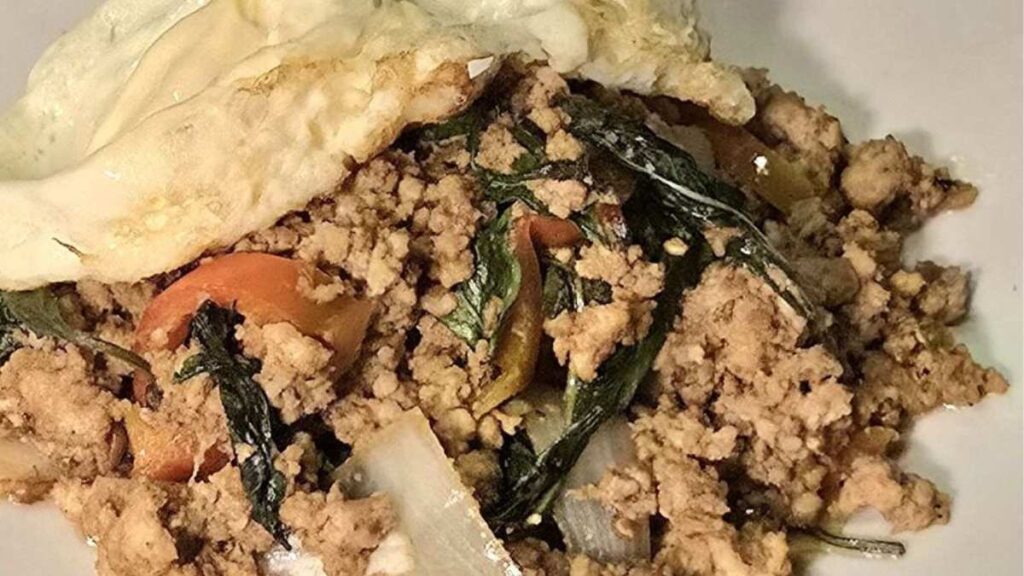
Sala Thai has been a staple in the San Diego culinary scene for over 35 years, offering a diverse menu that includes popular dishes such as Calamari, vegetable soup, Ka Prow, Red Curry, and Pad Woonsen. The restaurant, owned by Chiravan Svangvitaya, has built a loyal customer base, which it aims to retain even during this challenging time.
Attorney Michael Jay Berger from the Law Offices of Michael Jay Berger filed the petition on behalf of Svangvitaya L.L.C. The filing indicates that the company currently owes approximately 49 creditors. A list of the 20 largest unsecured claims has been submitted to the bankruptcy court, which includes notable creditors such as the California Department of Tax and Fee Administration, Spartan Capital, United First, and Cromwell Capital, LLC.
The petition outlines the business’s expectations to generate sufficient revenue to meet payment obligations under the Chapter 11 plan. By restructuring its finances, Sala Thai aims to stabilize its operations while continuing to serve the San Diego community.
The restaurant’s enduring presence in the local dining scene highlights both its popularity and the challenges faced by small businesses in the current economic landscape. As Sala Thai navigates through this restructuring process, its loyal patrons and dedicated staff remain hopeful for a positive outcome.