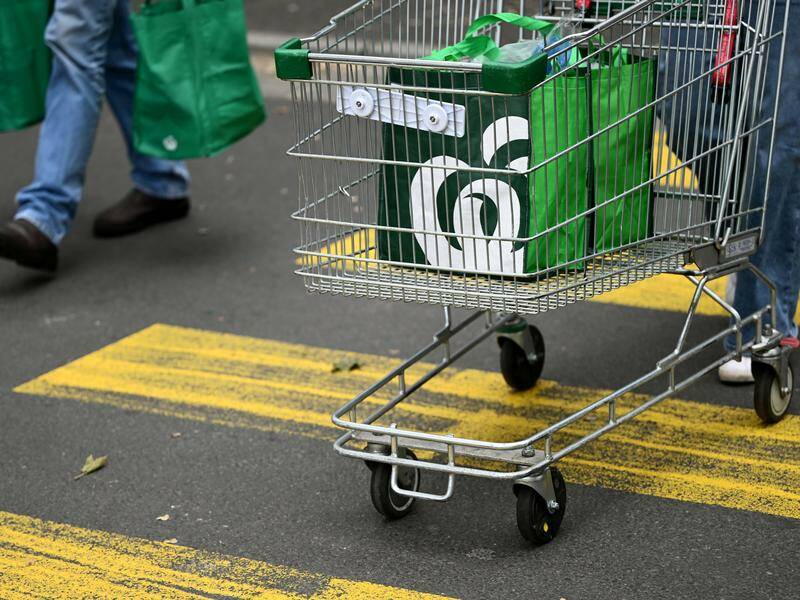
Supermarkets and retailers in Australia are expressing strong opposition to new regulations aimed at preventing price gouging, arguing that these measures will lead to increased grocery costs for consumers. The Albanese government introduced rules to limit “excessive pricing of groceries” as part of changes to the Food and Grocery Code of Conduct, which became mandatory in April 2023. These regulations will take effect on July 1, 2024.
The new law will prohibit large retailers from charging prices deemed excessive compared to their supply costs, plus a reasonable profit margin. According to Treasurer Jim Chalmers, the initiative aims to provide families with a fairer shopping experience. He stated, “This is all about getting a fairer go for families in their weekly shop.”
Under the new regulations, supermarkets could face fines of up to $10 million for each breach, which could amount to three times the financial benefit gained or 10 percent of their turnover from the previous year. A recent report from the Australian Competition and Consumer Commission (ACCC) highlighted that the duopoly of Coles and Woolworths has diminished competition, making them some of the most profitable supermarkets globally. However, the report did not directly accuse these retailers of price gouging, a claim both companies have denied.
Coles has criticized the government’s approach, asserting that increased regulations will not lower grocery prices. A spokesperson for Coles emphasized, “At a time when the focus should be on easing cost-of-living pressures, these regulations risk doing the opposite.” They noted that for every $100 spent at Coles, approximately $2.43 is profit, translating to less than 3 cents per dollar.
Woolworths, valued at $36 billion, echoed similar sentiments, warning that the ban could lead to a “butterfly effect” where shoppers miss out on significant savings. A spokesperson claimed the company had provided discounts for consumers for seven consecutive quarters, arguing that the law unfairly targets only two Australian-owned companies, leaving foreign retailers unregulated.
Both the Australian Retailers Association and the National Retail Association have voiced their opposition to the government’s new regulations. Chris Rodwell, CEO of the Australian Retailers Association, stated, “These measures seek to address a problem for which there is no evidence and risk having the opposite effect, pushing grocery prices higher for Australian families.”
The opposition coalition, led by David Littleproud, is reviewing the legislation but has indicated that any regulatory measures should include deterrents for non-compliance. Littleproud emphasized, “In society, there should be a deterrent and a consequence for doing the wrong thing.”
The Business Council of Australia also criticized the price gouging ban, arguing that regulation should be evidence-based. CEO Bran Black stated, “If Australia wants lower prices and better outcomes for consumers, we need to focus on reducing unnecessary regulation and addressing the underlying cost pressures across supply chains.”
Research from the ACCC found that grocery prices rose at more than double the rate of wages between late 2022 and early 2023, with some of these increases linked to higher profits for major retailers like Coles, Woolworths, and Aldi. As this legislation moves forward, the debate over its potential impact on grocery prices and competition remains heated, with both consumers and retailers closely watching the developments.