


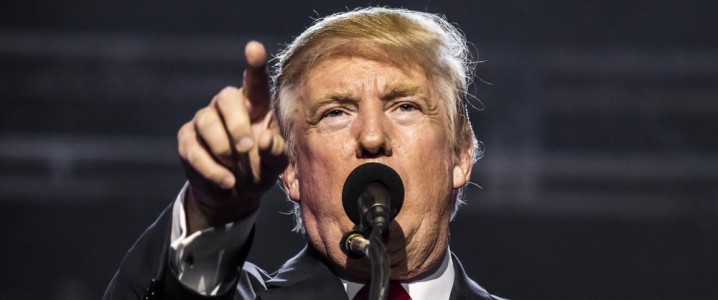
In a dramatic shift in the geopolitical landscape, U.S. special operations forces captured Venezuelan President Nicolás Maduro early on March 9, 2024. The operation, which echoes historical actions such as the 1989 capture of Manuel Noriega, involved elite units reportedly including the Army’s Delta Force. President Donald Trump confirmed the operation via social media, calling it a “large-scale strike” executed in coordination with law enforcement.
Maduro, along with his wife Cilia Flores, is now being transported to the United States to face serious charges arising from a 2020 indictment in the Southern District of New York for narco-terrorism and cocaine importation conspiracy. This capture has significant implications for the country that holds the world’s largest proven oil reserves, producing approximately 800,000 to 900,000 barrels of oil per day.
Impact on Oil Markets and Global Supply
The immediate concern among energy markets revolves around the stability of Venezuelan oil production. Initial reports from state-run Petróleos de Venezuela S.A. (PDVSA) indicate that while production and refining facilities remain operational, the port of La Guaira has suffered “severe damage.” Venezuela’s vast reserves, estimated at around 300 billion barrels, are hampered by a deteriorating infrastructure that requires substantial Western investment to restore.
Washington has framed Maduro’s removal as a decisive blow against a “narco-state,” with strategic implications rooted in the Monroe Doctrine. By ousting Maduro, the U.S. aims to disrupt a vital supply line for China, which has been a primary buyer of Venezuelan crude oil, often in exchange for debt relief. Market analysts predict increased volatility as traders assess the risks of potential civil unrest and the prospects for a recovery led by companies like Chevron in the Orinoco Belt.
The legal basis for a direct military action against a sovereign leader raises questions. U.S. Attorney General Pam Bondi referenced Maduro’s criminal charges involving military-grade weapons but did not specify Congressional approval for the action, leading to skepticism from some lawmakers. Senator Mike Lee (R-Utah) has already expressed concerns regarding the constitutional justification for such a strike in the absence of a formal war declaration.
International Reactions and Regional Stability
The international community’s reaction has been divided. Russia and Cuba quickly condemned the operation, labeling it an “unacceptable violation” of sovereignty and characterizing it as “state terrorism.” In the region, Colombian President Gustavo Petro has heightened military readiness along the 2,000-kilometer border, anticipating potential refugee influxes or military confrontations.
According to the International Energy Agency (IEA), Venezuela has long been seen as a “wildcard” in the global oil supply chain. If a government more aligned with U.S. interests emerges, there could be a rapid return of lost oil production. However, the risk remains that the already fragile power grid in Caracas could collapse under political pressure.
The upcoming press conference scheduled for 11 a.m. EST at Mar-a-Lago will likely provide further clarity on the U.S. administration’s strategies moving forward and whether this event marks the end of one chapter or the beginning of a larger conflict in the region.