
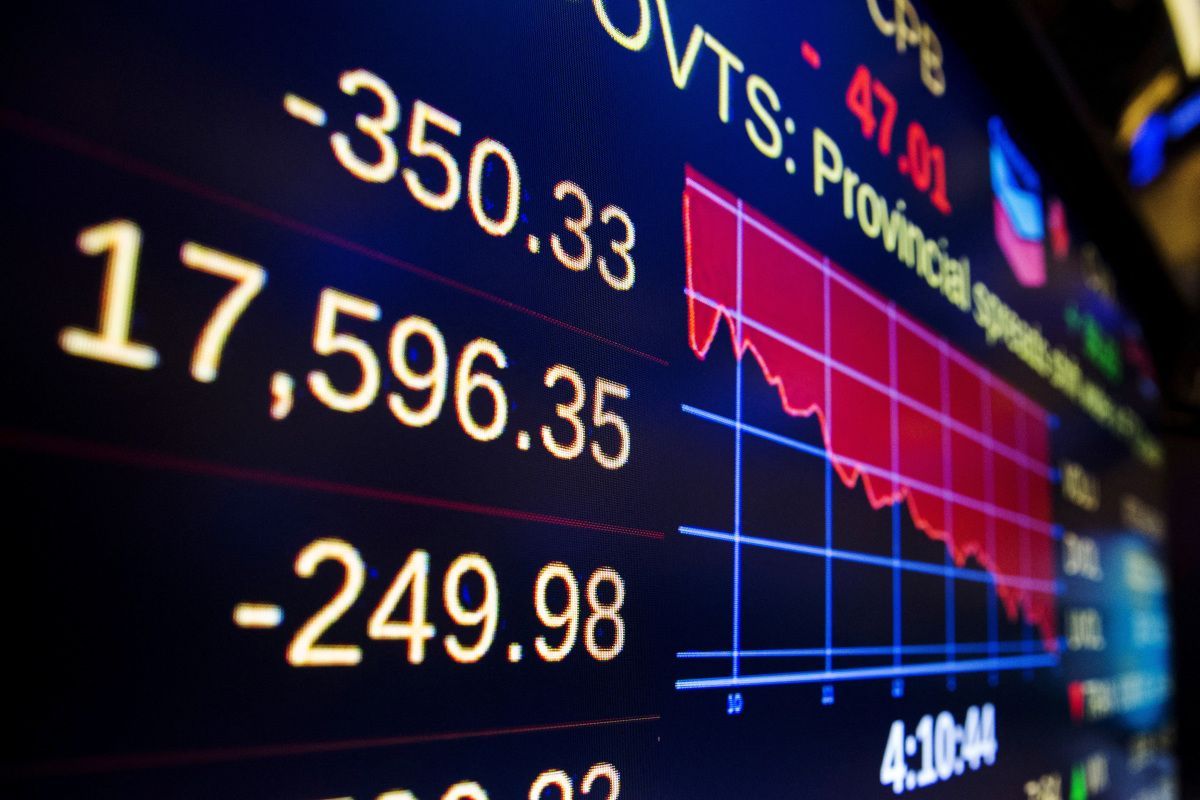



U.S. stock futures experienced a significant decline on March 2, 2026, as investors reacted to escalating tensions in the Middle East. Following joint military operations by the United States and Israel targeting Iran over the weekend, a wave of risk aversion swept through the markets. The Dow Jones Industrial Average futures fell by more than 500 points, approximately 1.2%, while S&P 500 futures dropped about 1.1% and Nasdaq 100 futures slid 1.4%.
The heightened geopolitical anxiety contributed to increased volatility, with the CBOE Volatility Index (VIX) rising to a three-month high of 23.7. This surge signals a growing sense of fear among traders, exacerbating existing market pressures from uncertainties surrounding artificial intelligence, rising inflation, and concerns regarding private credit.
In addressing the military situation, President Donald Trump indicated that operations in Iran could extend for several weeks, raising fears of ongoing disruptions to global trade, energy supplies, and inflationary pressures. Crude oil prices soared in response to the potential for supply interruptions. U.S. benchmark West Texas Intermediate crude jumped nearly 9% to around $73 per barrel, while Brent crude surged almost 10% toward $80.
Energy stocks are expected to gain traction, particularly for North American producers, but the broader market is feeling pressure, especially in sectors such as airlines, where some carriers have suspended flights in the region. Meanwhile, demand for safe-haven assets increased, pushing gold and silver futures higher. The yield on the 10-year Treasury note edged up to about 3.99%, reflecting shifting expectations regarding borrowing costs amid potential inflation stemming from energy shocks.
The downward trend in futures follows a challenging close on Friday, when major indexes finished lower. The Dow Jones Industrial Average fell by 521.28 points, or 1.05%, settling at 48,977.92. The S&P 500 declined by 0.43% to 6,878.88, while the Nasdaq Composite lost 0.92%, closing at 22,668.21. February posed difficulties for the markets, with the Nasdaq and S&P 500 recording their worst monthly performances since March in recent years, although the Dow managed to achieve slight gains, marking its tenth consecutive positive month.
Analysts pointed out the market’s sensitivity to geopolitical events. According to Reuters, futures fell over 1% as investors began factoring in the possibility of a prolonged conflict disrupting supply flows. USA Today reported the adverse effects on airlines and financial sectors stemming from the uncertain global outlook.
Despite the immediate pressure on the markets, some analysts remain optimistic about March. Tom Lee of Fundstrat forecasted a historically positive month for stocks, with average gains of 1.0% and a frequency of 64% over the past five decades. He suggested that the current dip might be temporary, buoyed by ongoing momentum in AI and economic resilience.
Trading Economics data indicated that the U.S.500 index, which tracks the S&P 500, dipped to around 6,798-6,806 points on March 2, down 1.06-1.52% in recent sessions, although it remains up significantly year-over-year at about 16%. After reaching an all-time high near 7,002 in January, the index has since pulled back amid market volatility.
In terms of sector performance, rotations favored defensives and commodities, with health care, energy, and consumer staples outperforming in recent trading sessions. In contrast, technology and financial sectors lagged behind. Defense contractors saw gains due to the increased tensions, with potential for further upside if conflict escalates.
European and Asian markets largely mirrored the U.S. sell-off, particularly in energy-sensitive regions. Bitcoin hovered around $66,000 after dipping below $63,000 over the weekend. As markets await upcoming economic data and Federal Reserve commentary regarding monetary policy, geopolitical developments remain at the forefront of investor concerns.
The duration and intensity of the ongoing conflict in the Middle East could significantly influence market direction in the near term, particularly regarding supply chain risks and inflation implications. As Wall Street braces for volatile trading conditions, the interplay of macro uncertainties and fresh tensions in the region will test recent market resilience. Long-term advocates for equities point to historical strength in March and growth fueled by artificial intelligence, but for now, caution prevails among investors as they navigate this turbulent landscape.