



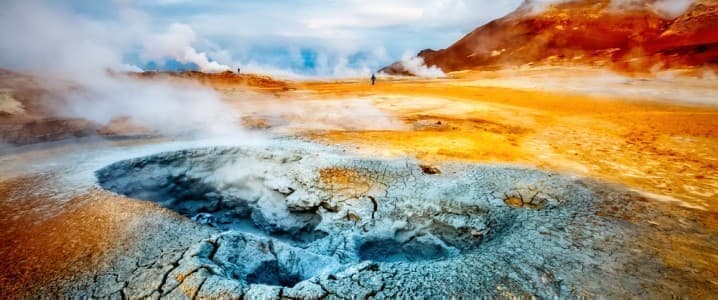
Geothermal energy is emerging as a significant player in the renewable energy landscape of the United States, with recent developments indicating robust growth in this sector. While the Trump administration has actively promoted fossil fuels, it has not overlooked the potential of geothermal power, which is now gaining traction through both public and private investments.
The U.S. Department of the Interior has announced plans to accelerate the approval processes for geothermal projects. This initiative aligns with President Trump’s energy agenda, aiming to fast-track projects deemed urgent on federal lands. Projects selected for expedited review include three in Nevada operated by Ormat Technologies, which received funding during Trump’s first term in 2020. The new permitting procedures will significantly reduce approval times from several months or years to a maximum of just 28 days.
“Geothermal energy is a reliable energy source that can power critical infrastructure for national security and help advance energy independence,” stated Interior Secretary Doug Burgum. This approach is expected to bolster national security while creating jobs in the renewable energy sector.
The enthusiasm for geothermal energy is further exemplified by Fervo Energy, a leading company in the field, which recently secured $462 million in its Series E funding round. This capital will support the construction of the Cape Station in Utah, set to deliver 100 megawatts (MW) of geothermal power to the grid by 2026, with plans to expand to 500 MW by 2028. “Fervo is setting the pace for the next era of clean, affordable, and reliable power in the U.S.,” said Jeff Johnson, General Partner at B Capital. He emphasized that the increasing demand for energy solutions, driven by advancements in technology such as artificial intelligence, makes geothermal energy a critical resource.
In addition to private sector advancements, municipalities are also investing in geothermal solutions. In New Haven, Connecticut, a geothermal energy network is under development to provide clean heating and cooling for Union Station and a new public housing project. This initiative is part of a broader effort to decarbonize municipal buildings and transportation by 2030. “At the end of the day, you’re going to have the most efficient heating and cooling system available,” remarked Steven Winter, New Haven’s executive director of climate and sustainability.
Nearby, Yale University is also developing a geothermal loop to serve several science buildings, further illustrating the growing interest in this energy source in educational institutions. A recent energy bill that passed will establish grant and loan programs to encourage more thermal energy networks in the state.
The geothermal energy sector is not limited to the West Coast. In Framingham, Massachusetts, the first utility-owned geothermal network in the United States was launched in June 2024. The Home Energy Efficiency Team (HEET) announced it received an $8.6 million grant from the U.S. Department of Energy’s Geothermal Technologies Office to expand its existing network. The current project provides clean heating and cooling to approximately 140 residential and commercial customers. “This award is an opportunity and a responsibility to clearly demonstrate and quantify the growth potential of geothermal network technology,” stated Zeyneb Magavi, HEET’s Executive Director.
Looking ahead, there are high expectations for the U.S. geothermal energy industry. With ongoing federal support, the expansion of geothermal projects is anticipated to contribute significantly to national decarbonization efforts and reduce dependency on fossil fuels. The combination of innovative technologies and increased funding positions geothermal energy as a key component of the future energy landscape in the United States.