

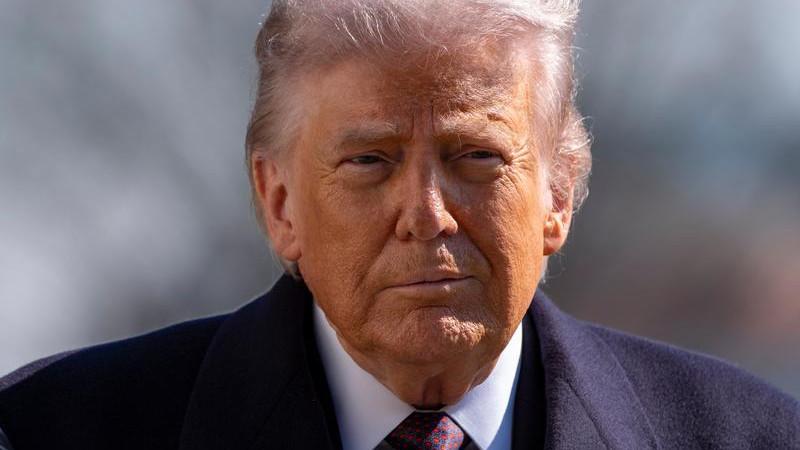

The recent capture of Venezuelan President Nicolas Maduro marks a significant shift in U.S. military strategy concerning oil interests. Unlike past interventions that often masked their economic motives under humanitarian or ideological pretenses, the current U.S. administration has articulated a clear objective: reclaiming oil assets. This decisive action comes as part of a broader strategy under President Donald Trump, who has openly demanded that Venezuela “return to the United States all of the Oil, Land, and other Assets that they previously stole from us.”
Historically, U.S. interventions have been motivated by oil interests. For example, in 1953, the U.S. and the UK orchestrated Operation Ajax to remove Iranian Prime Minister Mohammad Mosaddegh after he nationalized oil assets. In more recent memory, the U.S. invasion of Iraq in 2003 was justified by claims of Weapons of Mass Destruction, later revealed to be unfounded. Senior officials, including former U.S. Federal Reserve Chair Alan Greenspan, later acknowledged that oil was a central factor in that conflict.
Trump’s administration has taken a different approach, implementing a blockade against Venezuela and explicitly tying military action to oil interests. The President has yet to clarify which assets are deemed stolen, but it likely refers to the 2007 expropriation of U.S. oil interests by former President Hugo Chávez. Following Maduro’s capture, Trump has not pushed for the removal of opposition leader Maria Machado, indicating a focus on negotiating with the current regime instead.
Venezuelan officials, including acting President Delcy Rodríguez, have responded defiantly, stating, “Venezuela will never again be a colony of anyone.” The revival of Venezuela’s oil sector, crucial for economic recovery, is estimated to require tens of billions of dollars and years of investment. Oil companies will demand long-term stability and legal guarantees before committing significant resources.
The implications of this military action extend beyond Venezuela. Trump has invoked the term “Donroe Doctrine,” reminiscent of the Monroe Doctrine, which established the Western Hemisphere as a U.S. sphere of influence. This suggests potential intervention in other countries, including Cuba, Mexico, and Colombia, if their actions are perceived as contrary to U.S. interests.
As the situation unfolds, the U.S. strategy toward Venezuela appears to be a calculated move to secure energy resources amidst a backdrop of geopolitical maneuvering. The consequences of this approach may resonate throughout the international order, potentially leading to destabilizing effects in the region.
The capture of Maduro and the U.S. military involvement are pivotal moments in the ongoing saga of Venezuela’s political landscape. The focus on oil as a primary motive underscores a transactional nature that may redefine international relations in the coming years.