



The future of the Wheatbelt Secondary Freight Network (WSFN) in Western Australia hangs in the balance as funding for its ambitious upgrades approaches a critical deadline. The program, initiated in 2019, involves collaboration between 42 local governments and aims to improve the safety and efficiency of rural roads across a **4,400-kilometre** route. With the current funding set to expire in **2026**, stakeholders are calling for renewed financial support from both Federal and State governments.
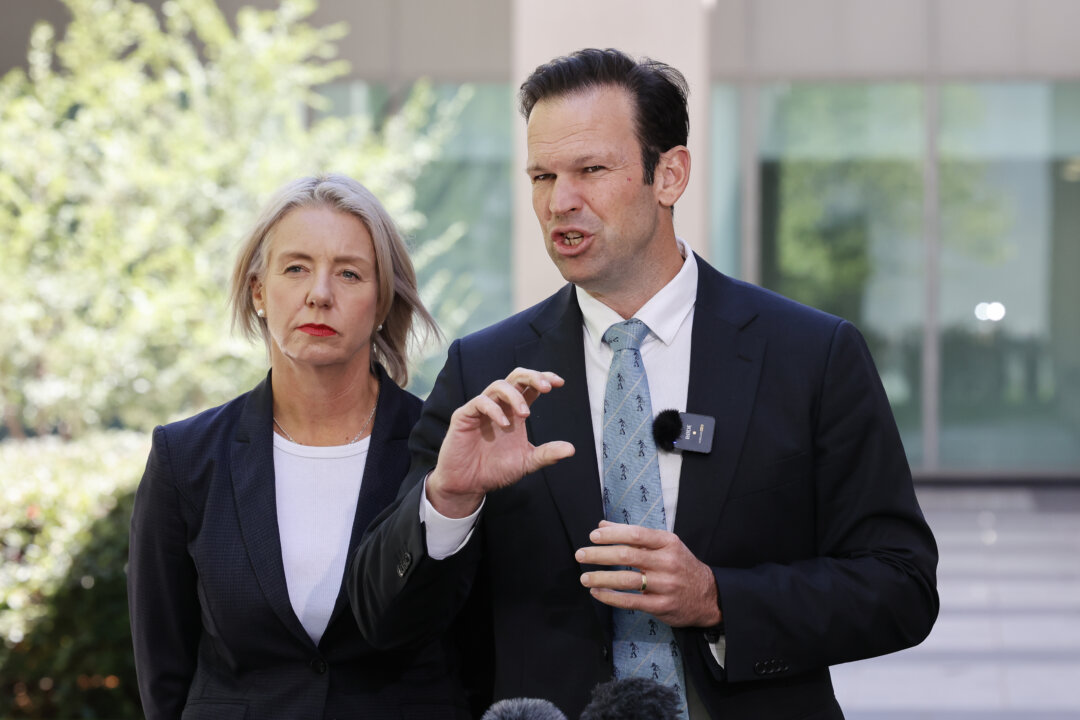
John Nuttall, program director of the WSFN, emphasizes the importance of continued investment. “Significant improvements have already been made across several hundreds of kilometres, but we need more funding to continue,” he stated. “We have gained real momentum and delivered demonstrable benefits; it would be a shame if that was all undone.”
Impact on Agriculture and Local Economy
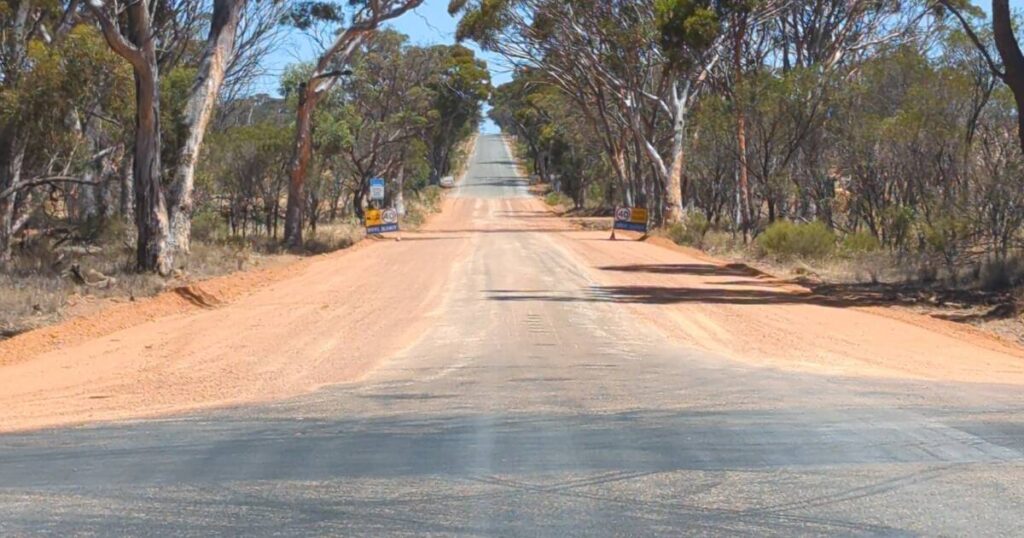
The WSFN was established to facilitate better grain movement for farmers, particularly in regions lacking railway access. It has since evolved into a comprehensive strategy for enhancing freight corridors throughout the Wheatbelt. These roads are crucial, connecting local government-managed routes with State and national highways, thereby supporting vital supply chains and tourism.
In the **2024-25** fiscal year, the Wheatbelt region generated **$9.1 billion** in gross regional product, with agricultural output alone exceeding **$5.3 billion**. This economic contribution represents over one-third of the total for Western Australia. Many roads in the area, however, were not engineered to handle the increasing size and weight of modern freight vehicles, posing challenges for local industries that rely on efficient transport.
Nuttall stressed the necessity of a well-integrated supply chain that includes road, rail, sea, and air transport. “A whole network approach would improve productivity and enable access for vital agricultural commodities to domestic and international markets via key ports,” he said.
Funding and Project Management
The management of the WSFN involves a steering committee that includes representatives from regional road groups, Main Roads WA, the WA Local Government Association, the Wheatbelt Development Commission, and Regional Development Australia. The committee oversees the program’s strategic direction, ensuring alignment with governmental and stakeholder expectations.
The network’s prioritization of routes is based on road conditions and traffic volumes. “We have a list of routes that are prioritised by road condition and traffic,” Nuttall explained. “We work our way down the priority list, and funding is allocated over several years.”
To date, approximately **35 of the 42 Wheatbelt shires** have received funding through the WSFN, with many currently undertaking roadworks. While not all councils have roads within the network, there is recognition of how the initiative enhances connectivity for farmers transporting lime, grain, and livestock, as well as for the broader community.
“Our aim is to build a route that connects everyone up, ensuring that funding is spent effectively,” Nuttall stated. He highlighted that with an extensive road network across WA, it is impractical to fix every single road, making the WSFN’s focused approach essential.
The roads developed under the WSFN must comply with specific standards for longevity and safety. They are built with an **8-metre wide seal** on a **10-metre pavement** and are marked for visibility. Nuttall noted that the network has received an exemption regarding line marking, which is crucial for reducing accidents, as many crashes in the Wheatbelt are single-vehicle incidents.
As funding resources dwindle, the WSFN operates as a rolling program, allowing local governments to plan projects with a degree of certainty. However, Nuttall cautioned that failure to secure additional funding in the next budget cycle would significantly hinder progress. “The local governments are doing a really good job in building wide and safe roads through WSFN,” he said. “This outcome is vital for the Wheatbelt, and it is important that as much money as possible stays within the region, utilizing local contractors and Indigenous bodies.”
The urgency for continued investment is clear, as the WSFN not only supports agricultural advancement but also aims to stimulate the local economy through improved infrastructure. Without immediate action, the program risks losing the gains made over the past few years, potentially impacting the region’s economic landscape.