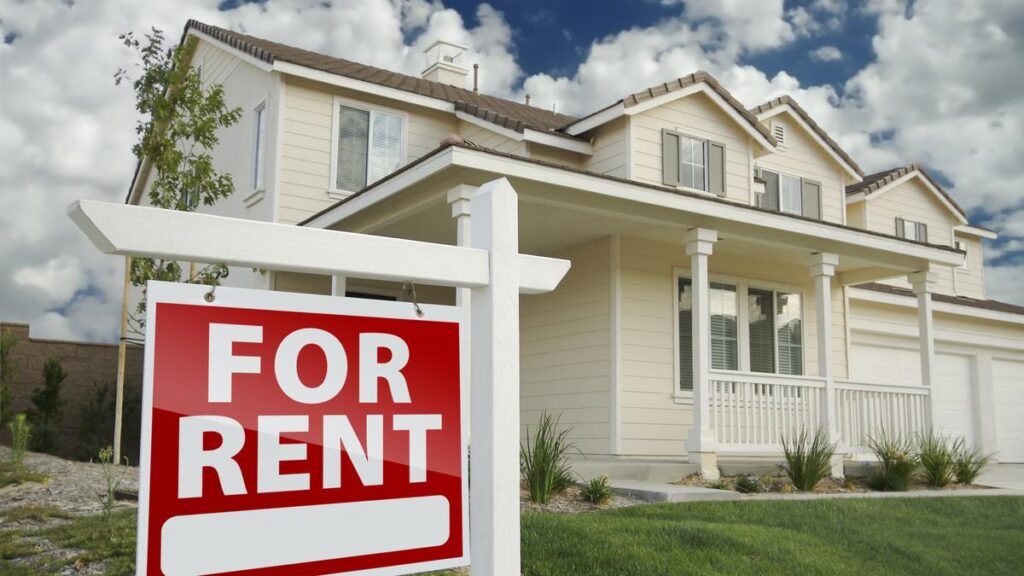
Right Facing Red For Rent Real Estate Sign in Front of Beautiful House.
Recent data indicates that renters in Western Australia (WA) are experiencing a significant financial burden, with the state’s median rent increasing by more than 50 percent since 2021. This surge has prompted calls for government intervention, including the implementation of measures such as rent caps and extended notice periods for increases, to alleviate the pressure on struggling households.
According to a report from the Make Renting Fair WA Alliance, the median weekly rent in WA has skyrocketed from $339 in 2021 to $716 today. This translates to an average increase of $377 per week, amounting to nearly $20,000 annually for renters. Previously affordable suburbs are becoming increasingly scarce as the rental landscape shifts dramatically.
The dramatic increase in rental prices follows several years of extreme shortages in the housing market. Perth’s vacancy rate plummeted to an unprecedented 0.4 percent in 2022, marking the tightest rental market on record. At that time, desperate tenants were reportedly offering to pay up to 20 percent above the asking price to secure housing, creating a high-pressure environment that has contributed to the current situation.
Although Perth’s vacancy rate has recently improved to between 2 and 2.5 percent, this remains below stable levels. Many inner and coastal suburbs still report vacancy rates of around 1 percent or less. Consequently, this slight easing has had little effect on bringing rental prices down for the majority of tenants. Currently, no electorate offers a median house rent close to $400, and only 17 percent of apartment markets remain in that range.
The impact of rising rents is being felt across the metropolitan area, with suburbs like Cottesloe, Carine, Nedlands, and Churchlands witnessing some of the steepest increases. Alice Pennycott, spokesperson for Make Renting Fair WA, stated that the relentless price hikes are pushing more people into housing stress, poverty, and homelessness. She emphasized that previously affordable areas are no longer accessible to low- and medium-income renters.
Pennycott remarked, “Suburbs that were previously considered affordable have basically disappeared. Renters need protection now, not in ten years’ time.” Despite a modest rise in vacant properties in outer suburbs—largely due to the completion of new builds—high-demand areas continue to attract long queues and multiple applications in a matter of hours.
The chief executive of Shelter WA, Kath Snell, highlighted that many families are being forced into debt or are sacrificing essentials to keep a roof over their heads. “Rising rents are driving overcrowding and homelessness,” she noted, adding that some individuals are going without medications or basic food items just to maintain housing.
Similarly, Mark Glasson, chief executive of Anglicare WA, pointed out that essential workers, including teachers and nurses, can no longer afford to live in the communities they serve. He stressed the need to prioritize renters, stating, “More and more people are renting, and we must ensure they’re protected.”
Louise Giolitto, chief executive of the Western Australian Council of Social Service, underscored the urgent need for action in light of these alarming figures. She referenced the government’s previous willingness to implement temporary solutions during the COVID-19 pandemic, such as the moratorium on rent increases in 2020 and 2021.
Giolitto said, “We think now’s the time to try rent stabilization measures and ensure housing remains affordable amid rising living costs.” She also advocated for the extension of the WA Rent Relief Program to help families remain in their homes.
Advocates are warning that without immediate intervention, Western Australia’s housing crisis is likely to worsen, putting more families at risk of losing their homes. The combination of rising rents and limited affordable housing options presents a complex challenge that requires urgent and comprehensive solutions.