



NEWS WORTHY: Why Andrew Mountbatten-Windsor was arrested now & identities of ISIS brides revealed
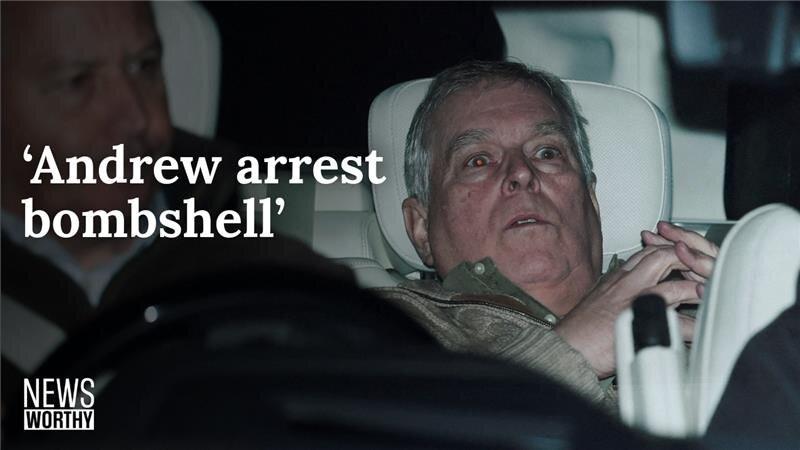
Andrew Mountbatten-Windsor was arrested on October 15, 2023, in connection with an ongoing investigation involving allegations of serious misconduct. The arrest has drawn significant media attention, particularly regarding the implications for the royal family and the wider public interest in the case. This event marks a notable moment for the Mountbatten-Windsor family, as it raises questions about their public image and responsibilities.
In a related development, the identities of eleven women associated with ISIS have been disclosed through a handwritten note, intensifying discussions around the repatriation of these individuals. This revelation comes at a time when governments globally are grappling with the return of citizens who joined extremist groups abroad. The note reportedly includes personal details and background information about the women, which has sparked debates on national security and humanitarian responsibilities.
Details on the Arrest of Andrew Mountbatten-Windsor
Andrew Mountbatten-Windsor, a prominent figure within the British royal family, was taken into custody following a coordinated operation by law enforcement agencies. The specific allegations have not been publicly disclosed, but sources indicate that they are severe and warrant close scrutiny. His arrest raises significant implications not only for the royal family but also for public trust in the institution.
The investigation appears to be part of a broader effort to address issues of accountability within the monarchy. Legal experts suggest that the case could set a precedent for how similar situations are handled in the future. As the story develops, the royal family is expected to make a statement addressing the situation and its impact on their public duties.
Identities of ISIS Brides and Repatriation Debates
Simultaneously, the disclosure of the identities of the eleven ISIS brides has reignited discussions about the challenges of repatriation. Governments are under pressure to determine the best course of action for individuals who joined extremist groups and now seek to return to their home countries. The handwritten note, which surfaced in recent days, contains names and details that could complicate ongoing legal and ethical considerations surrounding these cases.
Human rights advocates argue that each individual should be assessed based on their actions and intentions, rather than solely their association with ISIS. Conversely, national security officials express concerns about the potential risks posed by returning fighters and their families. The complexity of these cases illustrates the balance governments must strike between security and humanitarian obligations.
As public sentiment evolves, authorities are likely to face increasing scrutiny over their policies regarding the repatriation of citizens involved with terrorist organizations. This situation highlights the need for a comprehensive approach that addresses the root causes of extremism while ensuring the safety and security of the public.
The events surrounding Andrew Mountbatten-Windsor’s arrest and the revelations about the ISIS brides underscore the intricate interplay of personal responsibility, national security, and public perception. As these stories develop, they will undoubtedly continue to shape discussions across various sectors, from politics to public safety.