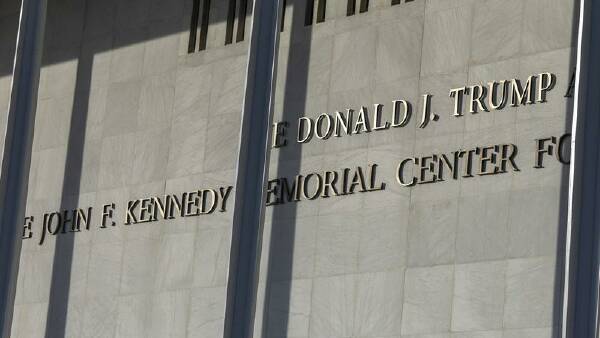
A wave of cancellations has hit the Kennedy Center, as several artists have pulled out of scheduled performances following the addition of former President Donald Trump‘s name to the venue. The jazz ensemble The Cookers announced their withdrawal from the “A Jazz New Year’s Eve” concert, which was set for December 31, 2023. The group’s decision reflects a broader discontent among artists regarding the political implications of the venue’s renaming.
The Cookers, a renowned jazz supergroup with nearly two decades of collaboration, stated on their official website that their choice to cancel arose swiftly. They expressed understanding for fans who had hoped to attend the event, emphasizing their desire to create an environment where music can foster unity rather than division. Although the group did not directly reference the name change or the Trump administration, they affirmed a commitment to music that transcends political boundaries.
One member of The Cookers, saxophonist Billy Harper, was more explicit in his criticism. On Saturday, he shared his views on the Jazz Stage Facebook page, declaring he would “never consider performing in a venue bearing a name that represents overt racism and deliberate destruction of African American music and culture.” Harper attributed this sentiment to the leadership selected by Trump, which he believes undermines the legacy of the music he is passionate about advancing.
In the wake of these cancellations, former Trump appointee and Kennedy Center head Richard Grenell responded on social media, suggesting that the artists withdrawing were booked under the previous administration’s leadership. In a statement to the Associated Press, he claimed that the last-minute cancellations indicate a refusal to perform for audiences who may hold differing political views. Grenell further asserted that the Kennedy Center had received numerous inquiries from other artists eager to perform without political constraints.
The controversy has prompted speculation about potential legal action from the Kennedy Center against artists who cancel their performances. Grenell mentioned that he would seek $1 million in damages from musician Chuck Redd, who withdrew from a Christmas Eve performance, citing the venue’s renaming. He characterized Redd’s cancellation as a “political stunt,” reflecting the heightened tensions surrounding the venue’s new identity.
While the Kennedy Center has not commented on the possibility of pursuing legal action, the backlash against the naming has sparked a broader conversation about the intersection of art and politics. Artists like The Cookers and Harper are advocating for a space that allows for celebration and inclusivity, emphasizing that music should serve to bridge divides rather than deepen them.
As this situation unfolds, it highlights the ongoing discourse around cultural institutions and their responsibilities in representing diverse voices. The Kennedy Center now faces not only the challenge of managing its programming but also the implications of its branding in an increasingly polarized environment.