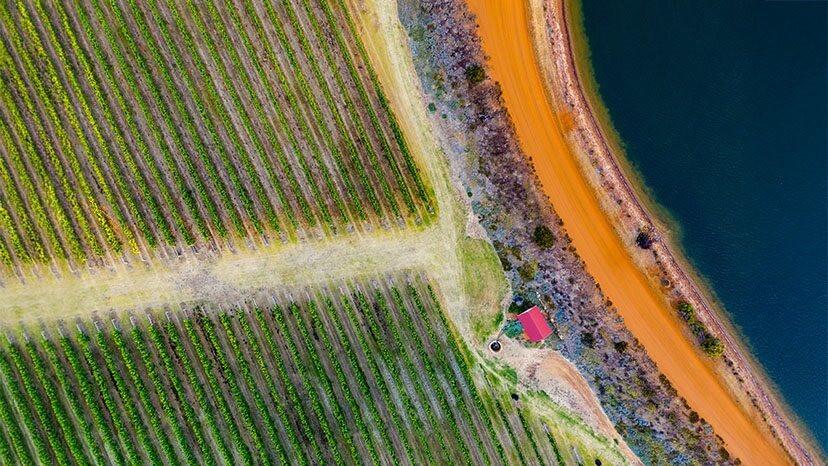
Recent rainfall has improved water levels in dams across the South West, but experts warn that this is not enough to alter long-term trends of declining water supply. Since the 1970s, rainfall in the region has decreased by approximately 20%, and projections indicate that winter rainfall could drop an additional 15% by 2030. This consistent decline means that streamflow, which feeds into regional dams, has plummeted by over 80% on average.
The reasons behind this significant reduction are twofold. Firstly, diminished rainfall has left catchment areas drier, leading to increased absorption of water by soil and plants. As a result, even in years marked by above-average rainfall, runoff into dams remains significantly lower than in previous decades. With a growing population and heightened demand for water, every drop becomes increasingly critical.
Innovative Approaches to Water Conservation
In response to these challenges, the Water Corporation has taken significant strides in water recycling. The South West region currently leads Western Australia in this effort, recycling an impressive 20% of its wastewater, equating to around 3 billion litres annually. The corporation is targeting a recycling rate of 30% by 2035 and is continuously exploring new groundwater sources to bolster the region’s water supply.
Nevertheless, the reality of a drying climate necessitates that conservation efforts extend beyond institutional initiatives. Residents can play a key role in safeguarding water resources by adopting simple yet effective water-saving habits.
Practical Tips for Households
One of the largest contributors to household water consumption is outdoor watering. On average, 28% of residential water use is allocated to gardens. Residents are encouraged to water their gardens only once on designated watering days, optimally utilizing their allotted time. Understanding the type of sprinklers in use can also help ensure that gardens receive adequate moisture without excessive usage.
Showers account for another significant portion of household water use, making up roughly 24% of total consumption. Limiting shower time to four minutes can lead to substantial water savings. Additionally, residents should avoid brushing their teeth in the shower, as this practice can waste up to 9 litres of water each minute. A free swap to a waterwise showerhead may also be available for eligible households.
To track water usage effectively, households can compare their consumption to similar homes via the Water Corporation’s website. This awareness can help identify areas for improvement and monitor the impact of water-saving efforts.
The Water Corporation offers various programs designed to assist residents in becoming more waterwise. These include access to water-efficient showerheads, irrigation services, and rainwater tank rebates, all aimed at fostering sustainable water practices.
Addressing leaks is another critical aspect of water conservation. Undetected leaks can lead to the wastage of up to 20,000 litres of water annually, along with potential damage to homes. Residents should be vigilant and consult the Water Corporation’s guidelines to detect and resolve leaks.
As climate change continues to affect water availability, understanding its impact on the region is vital. The Water Corporation remains committed to improving water security and supply, but community involvement is essential in ensuring a sustainable future for South West’s water resources. By implementing small changes in daily habits, residents can contribute significantly to the conservation of this precious resource for generations to come.