

The Brisbane International Film Festival (BIFF) has undergone a significant transformation as it aims to establish itself as a premier cultural event in anticipation of the 2032 Olympics. A new team, led by executive director Sophie Mathisen and head programmer Christian Pazzaglia, faced the daunting task of revitalizing the festival within a tight timeframe of just 11 weeks and a modest budget of $350,000.
Their goal was to elevate BIFF from its previous status as a less prominent film festival to one that could contribute meaningfully to the Cultural Olympiad leading up to the Games. Mathisen noted that while there is considerable excitement in Brisbane, this energy had not yet extended to many cultural organizations. “In the tender, there was a pretty clear idea that [Screen Queensland] wanted a world-class festival. Obviously, that’s pretty challenging on a very limited budget,” she remarked.
The festival ran from November 2 to 5, 2023, and aimed to showcase as many Australian premieres as possible, particularly films debuting at major festivals such as Venice and Toronto. Among the highlights were acclaimed art-house films like It Was Just An Accident and The Secret Agent. The festival also hosted 18 international filmmakers, including Peyton Reed, known for films like Bring It On and Ant-Man, along with 10 Australian filmmakers for Q&A sessions and panels.
Special events were held each night, emphasizing Brisbane’s vibrant sports and music culture. The festival featured unique venues, aiming for what Mathisen described as “a subtropical outdoor version of the festival.”
Event Highlights and Challenges
The festival opened with an Olympic-themed film, Agon, directed by Giulio Bertelli. Screened in a converted wharf bar and brewery near the Story Bridge, the film explores the competitive journeys of three sportswomen preparing for a fictional Olympics. It has garnered critical acclaim, winning the FIPRESCI prize at Venice and is set to stream on Mubi.
Attendees enjoyed a Q&A session featuring Queensland beach volleyball gold medallist Natalie Cook and Bertelli, although the timing of the discussion could have been improved.
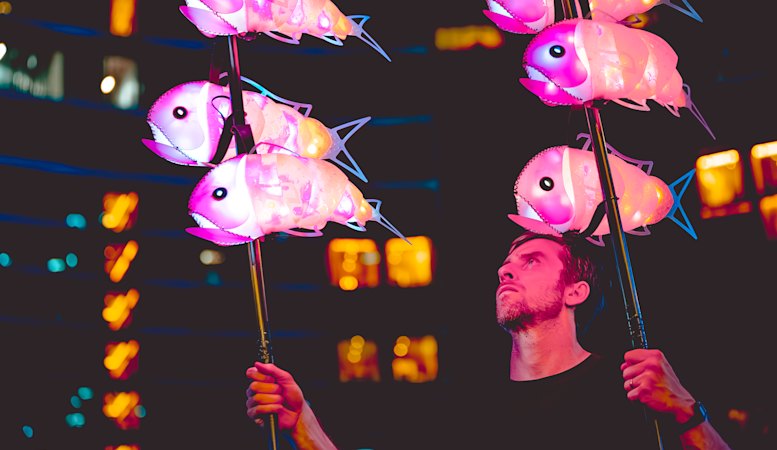
Despite facing challenges such as inclement weather, some outdoor events were successful. A 25th anniversary screening of Bring It On featured a performance by local cheerleaders, while the oceanographic documentary A Life Illuminated was complemented by an aquatic puppetry show.
The festival’s closing night was particularly memorable, showcasing the music documentary It’s Never Over: Jeff Buckley followed by a concert featuring Brisbane musicians like Katie Noonan and Kate Ceberano, who performed Buckley’s album Grace at Southbank Piazza.
Though not all events attracted expected audience numbers, the festival recorded a single-day sales record and noted that 74 percent of ticket buyers were new customers. Mathisen expressed optimism about the festival’s future, stating, “There feels like some real new blood and a new energy coursing through BIFF’s veins for the first time in a long time.”
Looking Ahead
The aim is to expand the festival in subsequent years, with hopes for a longer duration and earlier scheduling in the calendar. Pazzaglia highlighted that more preparation time would allow for better-organized events.
Among the standout films were We Bury The Dead, a zombie horror thriller featuring Daisy Ridley as a woman searching for her husband after a military disaster in Tasmania, and Iron Winter, a documentary showcasing two young Mongolian friends herding horses through harsh conditions.
The first year of BIFF’s revitalization has shown promise, combining ambition with creativity. As the festival sets its sights on future editions, it aims to solidify its place as a significant cultural event in the lead-up to the Brisbane Olympics.