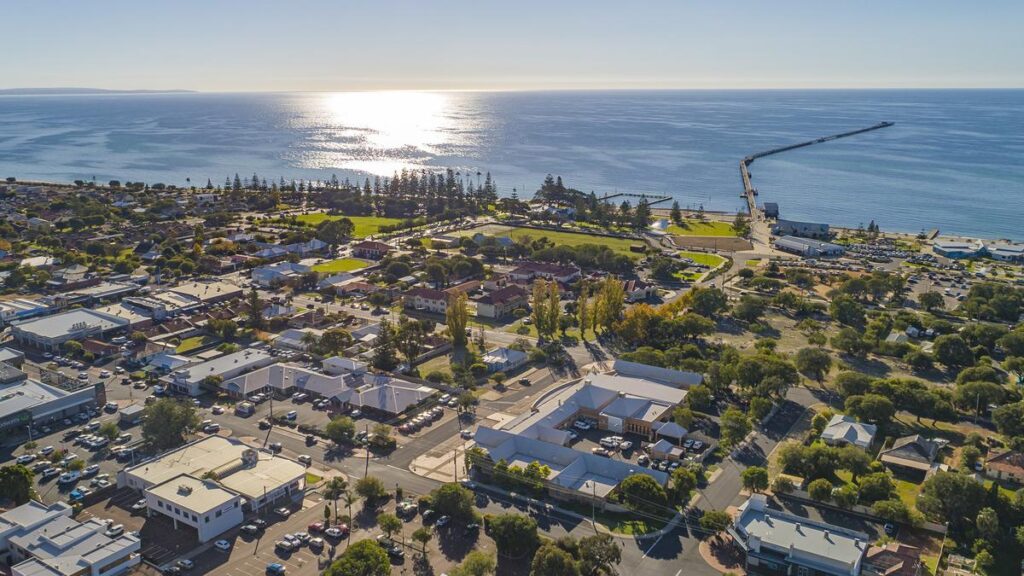
Unit 1, 77 Harris Road Busselton
The cost of building new homes in Busselton could increase by up to $50,000 if the city council proceeds with a controversial plan to elevate new housing estates. This proposal, aimed at mitigating the effects of rising sea levels due to climate change, has drawn sharp criticism from local developers who argue it may exacerbate flooding issues and drive up construction costs.
The city council’s plan involves adding extra sand to new estates while eliminating the requirement for rear-lot subsoil drainage pipes. Leading the opposition is Tao Bourton of Yolk Property, who asserts that the change poses significant risks. He contends that while the initiative is promoted as environmentally sound, it would, in fact, increase the potential for flooding by removing a long-standing drainage system that effectively manages rising water levels.
In a statement, Bourton expressed concerns regarding the broader implications of the council’s decision. “Affordability cannot be left to postcode-by-postcode engineering experiments,” he said, warning that if this model is adopted, it could lead to cascading price increases across Western Australia. He emphasized the dangers of setting a precedent that could burden homebuyers statewide.
The proposal has already attracted attention from the office of Planning Minister John Carey, which noted that the council’s actions would exceed national standards. Nevertheless, the Minister’s office stated that local governments have the authority to make such decisions, effectively leaving the matter in the hands of the Busselton Council.
As the region grapples with a housing crisis, Bourton highlighted the potential negative impact on developers’ willingness to invest in new projects. “This is no longer just a Busselton issue — it’s a State issue,” he warned. He pointed out that increased development costs could deter new housing initiatives at a time when affordable options are urgently needed.
In his critique, Bourton also raised environmental concerns, stating that the plan could accelerate the extraction of scarce sand resources and increase truck traffic in the area. He described the removal of rear-lot subsoil drainage pipes as “absurd,” noting that these systems have successfully managed water levels in residential areas for years.
According to inquiries made by The West Australian, the cost of construction-quality sand fill has surged over the past eight years. Currently, prices range from $38 to $45 per delivered cubic meter, reflecting a 66 percent increase compared to previous years. This price jump is attributed to higher transport costs as traditional sand sources become increasingly scarce due to urban development and environmental protections.
Bourton urged the council to conduct a comprehensive analysis of sand supply before proceeding with the proposal and to engage the community in discussions about its potential impacts. “There’s been no assessment of where this extra sand will come from or what damage it will cause,” he stated, criticizing the plan as a facade for poor planning.
Initially set for consideration on December 10, 2023, the council has postponed the matter following inquiries from the media. A spokesperson confirmed that the proposal would now undergo stakeholder consultation and review in early 2026, indicating a willingness to reassess its implications before moving forward.
As Busselton navigates this critical decision, the outcome could shape the future of housing development not only in the region but potentially across all of Western Australia. The community and developers alike await further clarity on a plan that could have lasting effects on affordability and environmental sustainability in the area.