



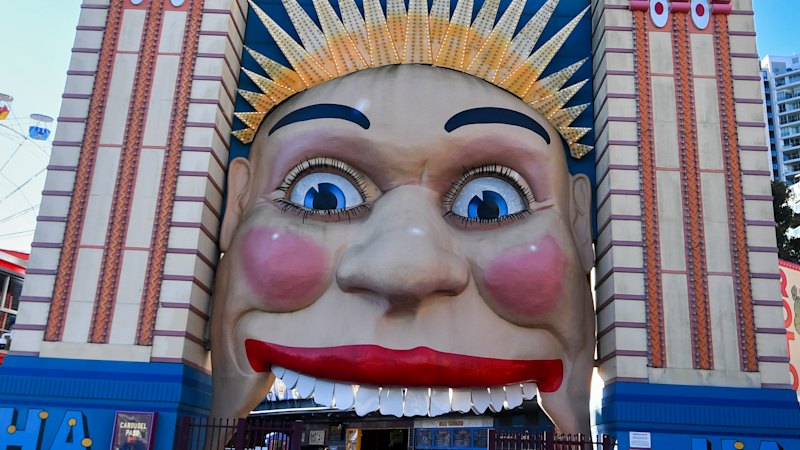
Luna Park, a cherished amusement park in Sydney, has weathered a tumultuous history since its inception in 1935. In her compelling book, Helen Pitt delves into the park’s past, highlighting not only its joyful moments but also the darker events that have shaped its legacy. From its construction on land left over from the Sydney Harbour Bridge to its designation as a heritage site, the park has been a magnet for thrill-seekers and a focal point for controversy.
Thrills and Tragedies
The backdrop of Luna Park is a blend of excitement and tragedy. The park was built hastily, with rides reassembled from a failed attraction in Glenelg, South Australia. In a mere twelve weeks, unemployed riggers from the Harbour Bridge transformed the site into a vibrant destination for families. Yet, this fun-filled facade hides a more complex narrative.
One of the darkest chapters in Luna Park’s history is the 1979 fire on the Ghost Train ride, which claimed the lives of six children and their families. Pitt approaches this tragic event with sensitivity, detailing the aftermath and the questionable investigations that followed. The idea that the fire could have been a deliberate act orchestrated by crime boss Abe Saffron lingers in the air, as does the negligence of the authorities who insisted on an electrical fault as the cause.
“Pitt writes with a contagious enthusiasm, and her meticulous research … unearths wonderful anecdotes and tantalising trivia.”
Despite the tragic events, Luna Park remains a place of joy. It has provided countless families with memorable experiences, from the thrills of the Big Dipper to the laughter shared in the park’s various attractions. The euphemisms surrounding minor accidents have evolved over the years, with staff now referring to ride mishaps as “protein spills,” showcasing how the park has adapted while keeping its spirit alive.
A Reflection of Humanity
Pitt’s book is not merely a collection of stories; it is a celebration of human resilience and the allure of amusement parks. She begins her narrative with the awe-inspiring Ferris wheel at the Chicago Fair of 1893, illustrating how these parks have captivated audiences for over a century. The author captures the essence of why people seek thrills, exploring the psychological need for escapism through laughter and excitement.
As readers journey through the pages, they encounter a wealth of anecdotes that highlight the park’s evolution. From Pitt’s own experiences at Luna Park, including her eighth birthday party, to the myriad of visitors who share their stories, it becomes evident that the park is a microcosm of human emotion.
Luna Park’s history is a rich tapestry woven with threads of joy, loss, and nostalgia. While its light-hearted attractions draw in crowds, the shadows of its past remind us of the complexities of human experience. As Pitt eloquently illustrates, amusement parks are not just places for fun; they reflect our shared humanity and the myriad ways we seek connection and thrill.
For those looking to understand the intricate history of Luna Park and the amusement park industry as a whole, Helen Pitt’s book is a must-read. It captures both the laughter and tears in a way that resonates deeply with anyone who has ever enjoyed the thrill of an amusement ride.