Irish folk music continues to flourish, showcasing a blend of tradition and modern innovation. During a recent visit to Kilkenny, a town known for its vibrant pub culture, traditional Irish music echoed through nearly all the local establishments on a typically quiet Monday night. Of the dozen pubs visited, only two were devoid of live performances, demonstrating the community’s preference for music, camaraderie, and a pint over staying indoors.
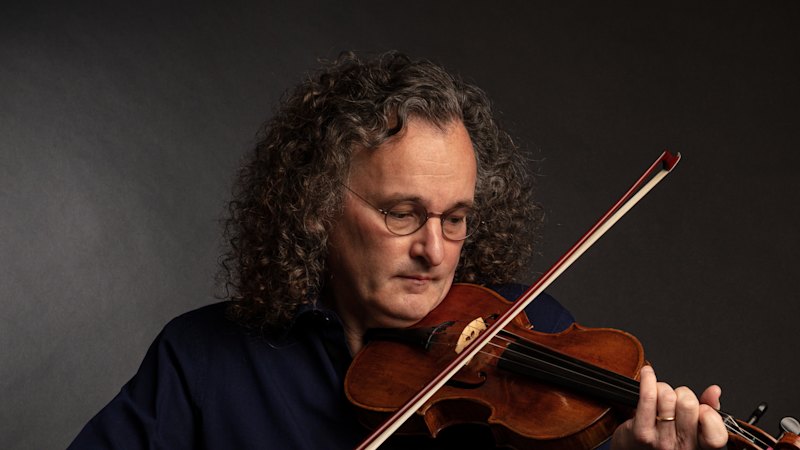
Renowned fiddler Martin Hayes, who hails from County Clare, echoes this sentiment. He observes that such a lively musical atmosphere is commonplace in his own village. While he acknowledges that the tradition fosters a strong bond among musicians, he is less certain about its impact on the broader community. Hayes notes a growing homogeneity in Irish music, influenced by increased access to diverse musical styles worldwide.
Embracing Evolution in Tradition
Hayes emphasizes that the evolution of tradition is not only natural but essential. He reflects on the historical context of regional styles, stating, “The previous regional styles were a measure of relative isolation.” He highlights that these styles, while unique, were often shaped by a handful of exceptional musicians who inspired others to adopt their techniques.
Rather than attempting to preserve these regional styles in a rigid manner, Hayes advocates for individual creativity. He suggests that musicians should embrace the wealth of influences available to them, internalize these elements, and discover their unique voices. “Reverence for the tradition must be balanced with keeping the music living in the present tense,” he asserts.
Hayes challenges the notion that tradition is static, explaining that the evolution of Irish music has been ongoing, especially throughout the 20th century. “If you look at it carefully, you’ll see enormous development, change, and evolution,” he states. This adaptability allows the tradition to remain relevant in a constantly changing cultural landscape.
New Insights and Collaborative Spirit
Even after decades of playing, Hayes finds new interpretations of familiar tunes. “It could reveal itself to me in a new way at any moment,” he says. He also acknowledges the current wave of musicians creating fresh traditional Irish music, emphasizing that there is no shortage of innovative possibilities.
Growing up, Hayes learned directly from local musicians rather than through recordings or books. This hands-on experience allowed him to observe the nuances of performance, understanding both the freedom and challenges inherent in playing an instrument. His distinctive tone and phrasing convey a deep emotional resonance. Reflecting on his youth, he recalls, “Oddly enough for a young teenager, I felt that kind of wistfulness was the definition of music.”
As his artistic journey progressed, Hayes embraced joy in his music, envisioning performances as spaces for a range of emotions, including simplicity, lightness, and energy. Following the passing of his long-time collaborator, guitarist Dennis Cahill, in 2022, Hayes has explored diverse musical partnerships.
For his upcoming performances in Australia, he will work with guitarist Kyle Sanna, who brings a different approach to the music. “He’ll be using a hollow-body jazz guitar, an amp, and some pedals,” says Hayes. “He is a real improviser, in the jazz sense.”
Hayes is set to perform at the Melbourne Recital Centre on February 24, 2024, at Chatswood Concourse in Sydney on February 25, 2024, and at the Brisbane Powerhouse on February 27, 2024. These concerts promise to showcase not only the rich tradition of Irish folk music but also its vibrant evolution as it continues to resonate with audiences worldwide.