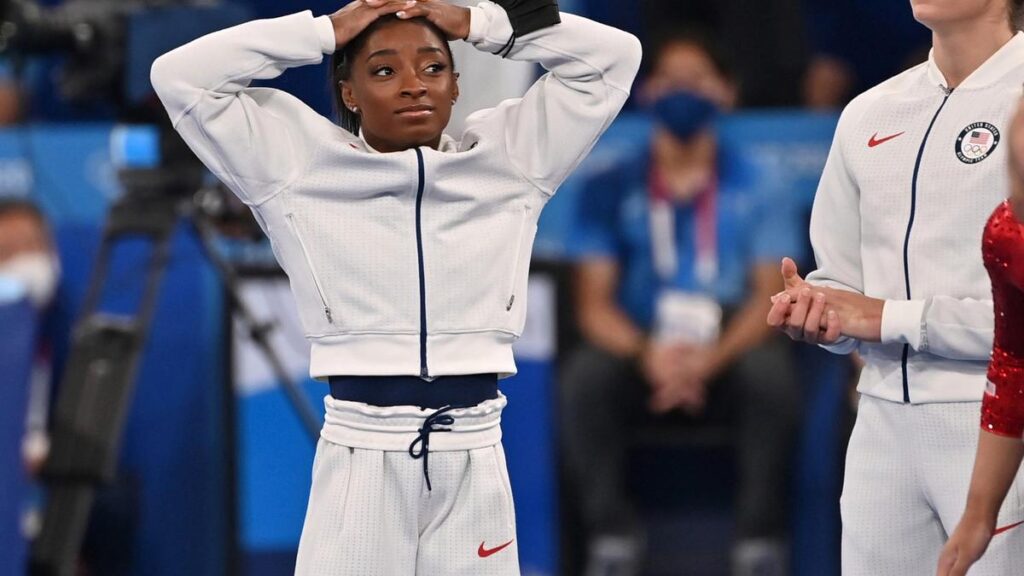
Simone Biles, the most decorated gymnast in history, has opened up about how therapy has profoundly impacted her life and career. At 28, Biles reflected on her early success, which began when she won a gold medal at the 2013 World Gymnastics Championships in Belgium at just 16 years old. Despite her accolades, she revealed that the weight of success became a burden, prompting her to seek professional help.
In an interview with Harper’s Bazaar Spain, Biles stated, “Yes [success became a burden]. Achieving success so young was very difficult.” As the spotlight intensified, she struggled with the pressure of public expectations, feeling compelled to meet the standards set by others. “Suddenly everyone is watching you, telling you how to act, how to speak. I was afraid of disappointing them,” she explained.
Therapy became a crucial lifeline for Biles. “That’s why I started going to therapy. I needed to learn how to handle the pressure, how to remain true to myself,” she shared. The decision to prioritize her mental well-being has been transformative for her. “Taking care of my mind saved me as an athlete and as a person,” she added. Biles continues to attend therapy weekly, describing it as her “safe haven” where she learns to be kind to herself.
Biles’ journey took a pivotal turn during the Tokyo 2020 Summer Olympics. In a bold move, she withdrew from competition to prioritize her mental and physical health. This decision sparked widespread discussion about the importance of mental health in sports. “First and foremost, the main reason I decided to stop was for my physical health. I didn’t want to go out there and get injured, but also for my mental health,” Biles remarked, underscoring the difficulty yet necessity of her choice.
Her experience in Tokyo resonated beyond the gymnastics community. Biles noted, “It completely transformed me. Before, people only talked about my medals; now they also talk about the mental aspect.” This shift in focus brings her joy, as it fosters a broader understanding of the challenges faced by athletes. “I learned that success means nothing if you can’t enjoy it peacefully,” she concluded.
Biles’ openness about her struggles highlights the vital role that mental health plays in high-pressure environments. As conversations about mental well-being continue to evolve, her story serves as an important reminder of the need for compassion and understanding in both sports and life.