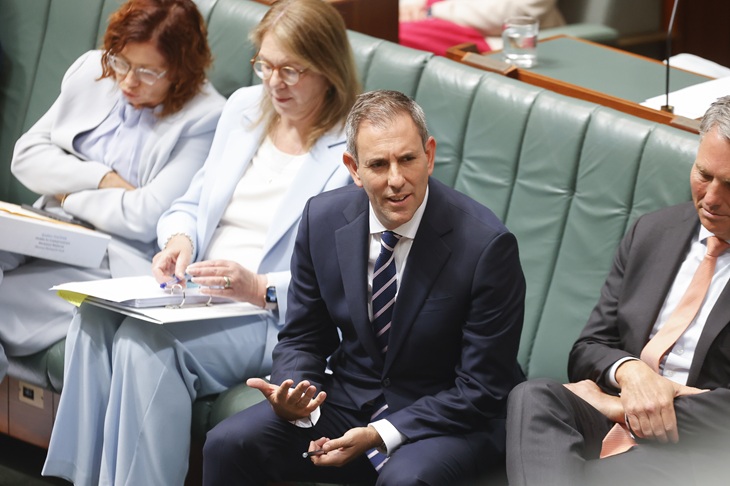
CANBERRA, AUSTRALIA - FEBRUARY 09: The Treasurer Jim Chalmers gesturess in the House of Representatives at Parliament House on February 09, 2026 in Canberra, Australia. Sessions resumed at parliament with a strong focus on the Liberal, National and One Nation parties as the former coalition loses substantial support and is embroiled in leadership turmoil. (Photo by Hilary Wardhaugh/Getty Images)
Australia’s Treasurer, Jim Chalmers, has come under scrutiny following recent discussions regarding potential changes to the capital gains tax (CGT) discount. Treasury Secretary Jenny Wilkinson confirmed during Senate estimates that the department is modelling alterations to the existing 50 percent CGT discount. These proposed changes have raised concerns about their impact on the housing market, particularly given the government’s recent initiatives aimed at assisting first-time home buyers.
Independent analyses suggest that modifications to the CGT could lead to a decline in house prices by approximately 4 to 5 percent on a national scale, with estimates reaching as high as 8 percent in cities like Sydney and Melbourne. For a typical Sydney home valued at $900,000, this translates to a potential loss of equity between $45,000 and $70,000. The implications of such financial shifts are significant, especially for new purchasers who have recently entered the market.
On October 1, 2025, the Australian government launched a revised 5 percent home purchase deposit scheme, which removed income caps and location limits. This initiative has enabled over 21,000 buyers to enter the housing market with just 5 percent equity, backed by government guarantees to cover the shortfall and allow buyers to forgo lenders’ mortgage insurance. However, the timing of this scheme raises questions about the sustainability of such policies.
The intersection of these two initiatives seems problematic. A buyer who acquired a property last November with a 5 percent deposit could find themselves with no equity if property values decrease by as little as 5 percent. A further decline of 6 percent would result in negative equity, meaning the borrower owes more than the property’s worth. Given that the government effectively acts as the mortgage insurer for these transactions, it faces the risk of substantial claims in the event of a market downturn.
The situation exemplifies the challenges embedded in the government’s fiscal policies, particularly when there appears to be a disconnect between proposed changes and their potential consequences. Critics argue that such policy collisions indicate a lack of foresight in the current administration’s approach to economic management.
As the debate surrounding the CGT discount continues, the question remains whether Treasurer Chalmers will adapt his strategies based on the lessons emerging from these discussions. The economic landscape and housing market dynamics may well dictate the necessity for more prudent policy decisions moving forward.