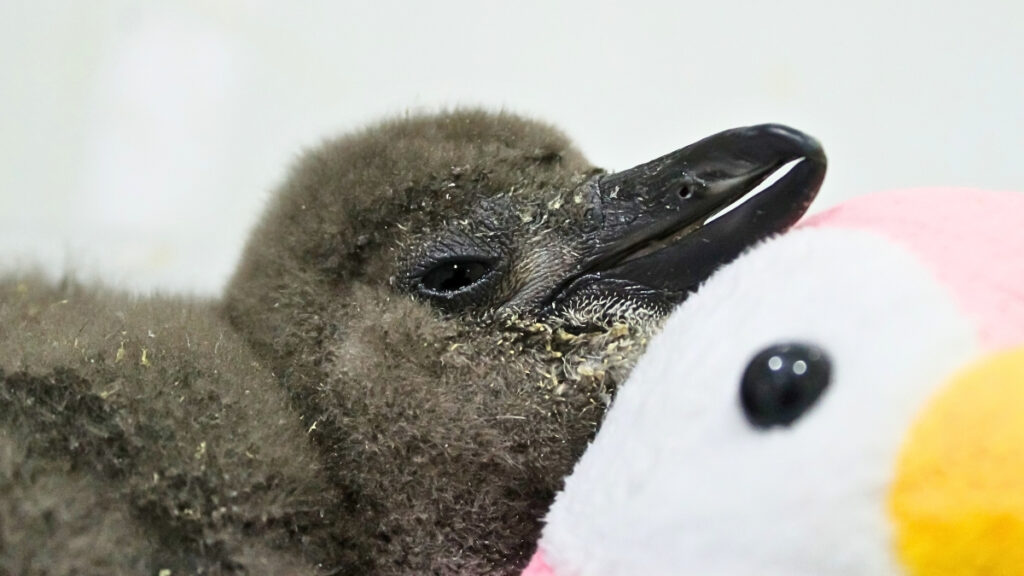
A recent study highlights a dire situation for African penguins off the coast of South Africa, revealing that approximately 62,000 adult penguins starved to death over the past decade. The drastic decline is attributed to a combination of environmental changes and human fishing practices, which have severely depleted their food sources, leading to a staggering population drop of around 95 percent in just eight years.
According to Richard Sherley, a conservation biologist at the University of Exeter, this alarming trend reflects a broader issue affecting penguin populations globally. The species has experienced a decline of nearly 80 percent over the past thirty years. Each year, African penguins (Spheniscus demersus) spend about 20 days on land to molt their feathers, a crucial process that requires them to build up fat reserves beforehand.
Between 2004 and 2011, the stocks of their primary food source, Sardinops sagax (sardines), dropped to about 25 percent of their peak levels. Sherley explains, “If food is too hard to find before they molt or immediately afterwards, they will have insufficient reserves to survive the fast.” This has led to mass starvation at critical breeding sites, resulting in the deaths of thousands of penguins, primarily due to the lack of available prey.
The research, conducted by ecologist Robert Crawford from Cape Town’s Department of Forestry, Fisheries, and the Environment, found that changes in temperature and salinity linked to human-induced climate change significantly contributed to the decline in fish stocks. The pressures from the fishing industry further exacerbate the situation.
“Adult survival, principally through the crucial annual molt, was strongly related to prey availability,” Sherley noted. He highlighted that exploitation rates of sardines reached as high as 80 percent in 2006, coinciding with a period of environmental change that worsened conditions for penguins.
As of 2024, the African penguin has been classified as critically endangered, with fewer than 10,000 breeding pairs remaining. The situation mirrors the mass mortality of river dolphins, illustrating the urgent need for local measures to address these challenges. Sherley suggests that fisheries management approaches should focus on reducing the exploitation of sardines when their biomass falls below 25 percent of maximum levels. Such strategies could allow more adult fish to survive and spawn, potentially aiding in the recovery of penguin populations.
Despite these recommendations, the researchers caution that without addressing the underlying environmental changes, restoring penguin populations will remain a formidable challenge. Current projections indicate that African penguins could face extinction within the next decade if trends continue.
This troubling decline in wildlife is part of a larger pattern, with global populations of various species plummeting by over two-thirds since the 1970s. The ongoing destruction of habitats, coupled with pollution and climate change, threatens countless species worldwide. Researchers stress that significant reductions in fossil fuel usage are critical to halt this alarming trend.
The findings from this research were published in the journal Ostrich, shedding light on the urgent need for collective action to protect these vulnerable species and their ecosystems.