

A significant decline in the number of moles on Australian children has been observed, with recent research revealing that children now have nearly half as many moles as their counterparts from 1992. This reduction is promising news for the future risk of melanoma, a serious form of skin cancer.
The study, conducted by a team of researchers, tracked nearly 4,000 Australian children over a span of 25 years, from 1992 to 2016. The findings indicate that the average number of moles among children decreased by approximately 47%. This change suggests a substantial reduction in the lifetime risk of developing melanoma, which is estimated to be four times lower for today’s children compared to those born in the 1980s.
Understanding the Importance of Moles
Moles are common among Australian children, with the average teenager having around 50 by the age of 15. These skin marks develop from melanocytes, the same cells that can become cancerous in the form of melanoma. The risk of melanoma increases significantly for individuals with a higher mole count; those with more than 100 moles are seven times more likely to develop melanoma than those with fewer than 15 moles.
Several factors contribute to the risk of melanoma, including skin type, hair color, family history of unusual moles, and specific genetic conditions. The research team initiated the Brisbane Twin Nevus Study in the early 1990s to explore the influences of genetics and environment on mole counts among twins and their siblings, all residing in sun-rich southeast Queensland.
Factors Behind the Decline
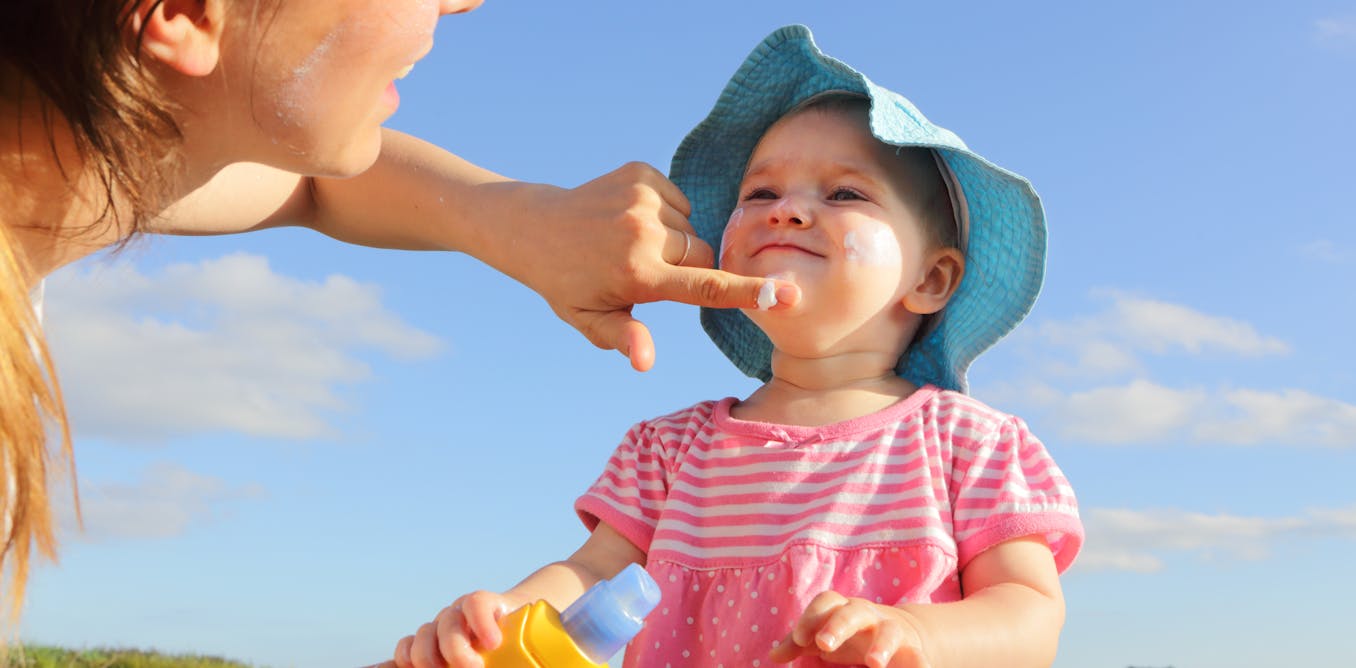
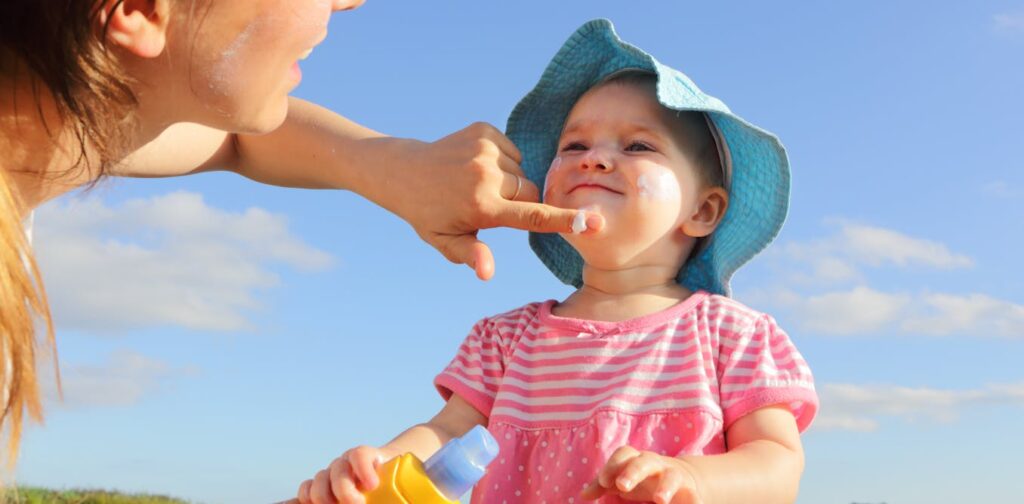
The dramatic decrease in mole count among children is largely attributed to improved sun protection practices. Researchers found that children today experience approximately 12% less UV exposure before the age of 12 compared to those in the 1990s and 2000s. This shift is likely a result of extensive public health campaigns emphasizing the importance of sun safety, notably the “Slip, Slop, Slap” initiative launched by the Cancer Council in 1981.
This campaign, characterized by its catchy jingle and mascot, Sid the Seagull, has become ingrained in Australian culture. Research from 2023 highlights the effectiveness of such initiatives, revealing that childcare centers requiring sun-smart clothing saw a 25% reduction in the number of moles among children aged five and under.
While the reduction in mole count is commendable, experts stress that vigilance must continue. Sunburn remains a significant concern, as it indicates skin damage from excessive sun exposure. Repeated sunburns during childhood are a major risk factor for melanoma in adulthood. Parents are encouraged to monitor their children for any unusual changes in moles, particularly those that alter in size, shape, or color, and to seek medical evaluation when necessary.
Incorporating sun-smart habits, such as applying sunscreen and wearing protective clothing, can seamlessly fit into family routines. Many Australian parents are already proactive about educating their children on sun safety, and the findings from this study reinforce that these efforts, alongside robust public health messaging, can have a lasting impact on health outcomes.
David Duffy, one of the researchers involved in the study, has received funding from the National Health and Medical Research Council. Co-researcher Nick Martin has disclosed no relevant affiliations that would benefit from this article beyond his academic position.