



Australia’s renowned Royal Flying Doctor Service (RFDS) is experiencing a surge in demand for its services as rural communities face increasing healthcare challenges. The RFDS is stepping up its role as a primary healthcare provider, particularly in remote areas where access to medical facilities is limited. This shift highlights the critical importance of flying doctors in ensuring healthcare delivery across vast distances.
The RFDS has been a lifeline for many Australians since its inception in 1928. It provides emergency medical assistance, routine health services, and mental health support to individuals living in isolated regions. With the ongoing effects of the COVID-19 pandemic and natural disasters, the need for these services has never been greater. According to the RFDS, around 90% of its patients live in rural or remote areas, where local healthcare options are scarce.
The organization serves over 300,000 patients annually, reflecting its integral role in the healthcare system. Many communities rely on the RFDS not just to supplement, but to function as their primary healthcare provider. As one RFDS representative stated, “In many communities, the flying doctor isn’t just supporting the healthcare system; we are the healthcare system.”
Adapting to Challenges
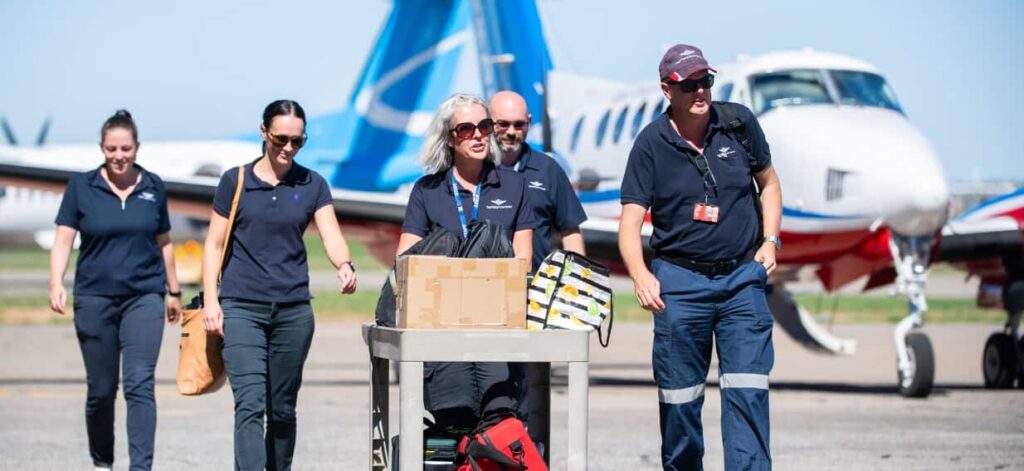
The RFDS has continually adapted its operations to meet the unique needs of the populations it serves. With a fleet of specially equipped aircraft, the service can transport patients quickly to hospitals, deliver essential medical supplies, and provide on-site medical consultations. The organization employs over 1,000 staff, including pilots, doctors, and nurses, all committed to delivering care in challenging circumstances.
In response to the rising demand, the RFDS has expanded its mental health services. This initiative aims to address the mental health crisis exacerbated by isolation, economic hardship, and the psychological toll of natural disasters. The RFDS offers telehealth consultations and in-person visits, ensuring that those in remote areas have access to crucial support.
Additionally, the RFDS has leveraged technology to enhance its services. By integrating telemedicine into its operations, the organization can provide timely consultations and follow-up care, making healthcare more accessible. This approach has proven particularly effective during the pandemic, allowing patients to receive care without the risks associated with travel.
Community Impact and Future Directions
The impact of the RFDS on rural communities is profound. Many patients express gratitude for the availability of healthcare services that would otherwise be out of reach. As health outcomes improve, the RFDS continues to work closely with local communities to identify additional needs and tailor its services accordingly.
Looking ahead, the RFDS is focused on sustainability and innovation. As Australia faces ongoing environmental challenges, including bushfires and floods, the organization is preparing to respond to future emergencies. This includes investing in more efficient aircraft and expanding training programs for staff to enhance their preparedness for various scenarios.
The future of healthcare in Australia, particularly in rural areas, increasingly relies on the adaptability and commitment of organizations like the RFDS. As they navigate the evolving landscape of healthcare, the flying doctors remain a vital resource, ensuring that all Australians, regardless of their location, have access to the care they need.