



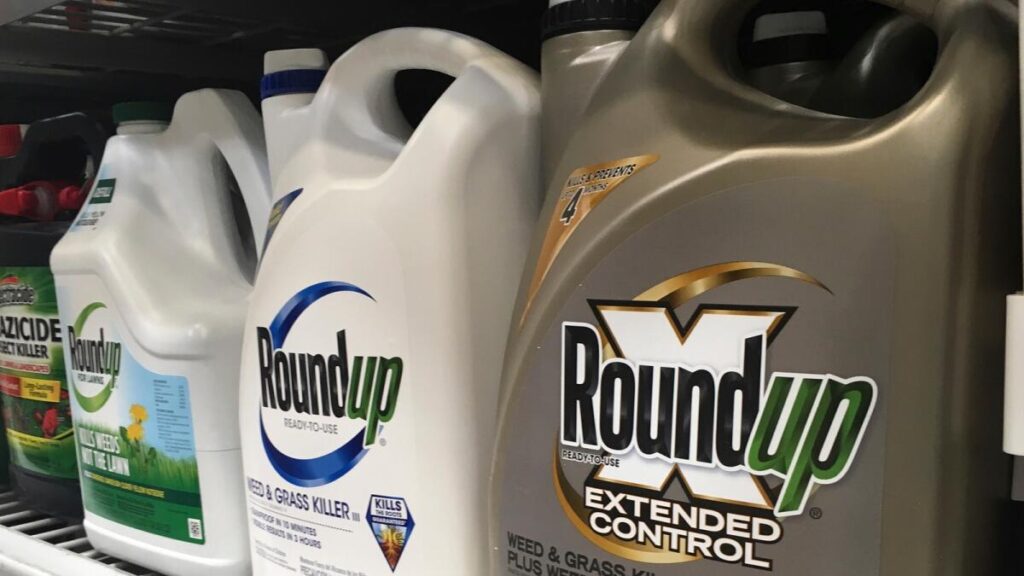
Bayer has announced a proposed settlement of $7.25 billion to resolve thousands of lawsuits in the United States, alleging that the company failed to adequately warn consumers of the cancer risks associated with its widely used herbicide, Roundup. The announcement comes as Bayer prepares for a critical hearing before the U.S. Supreme Court in April 2024, which will address the company’s argument that the U.S. Environmental Protection Agency (EPA) approval of Roundup without a cancer warning should preclude state court claims.
This proposed settlement is significant as it aims to mitigate the financial risks associated with an unfavorable Supreme Court ruling. Should the Court rule in Bayer’s favor, this settlement would ensure that affected individuals receive compensation regardless of the outcome. Bayer, which acquired Monsanto, the original producer of Roundup, in 2018, has consistently disputed claims that the herbicide’s key ingredient, glyphosate, causes non-Hodgkin lymphoma.
The settlement proposal was filed in the St. Louis Circuit Court in Missouri, where Bayer’s North America crop science division is located and where many lawsuits have been initiated. Bayer’s Chief Executive Officer, Bill Anderson, expressed that this settlement offers a path to closure for the company, stating, “Litigation uncertainty has plagued the company for years.”
Since 2015, over 125,000 plaintiffs have filed legal claims regarding Roundup, though relatively few have reached a jury trial. Among notable verdicts, Bayer has secured 13 wins while plaintiffs have achieved 11 victories, including a substantial $2.1 billion award by a jury in Georgia last year. Some lawsuits have been settled separately, with approximately 77,000 claims resolved through prior agreements.
The newly proposed nationwide settlement is intended to cover most remaining lawsuits, as well as any future claims from individuals exposed to Roundup before the announcement date. Bayer has indicated that if a significant number of plaintiffs choose to opt out of the settlement, the company reserves the right to cancel the agreement, although it has not disclosed the specific number of opt-outs that would trigger this.
Under the terms of the settlement, Bayer would make annual payments into a special fund over a period of up to 21 years, potentially totaling $7.25 billion. Compensation amounts will vary depending on factors such as the type of Roundup exposure, the age at diagnosis, and the severity of the non-Hodgkin lymphoma. For instance, agricultural or industrial workers diagnosed with an aggressive form of the disease before the age of 60 could receive an average of $165,000, while residential users diagnosed between the ages of 60 and 77 with a less aggressive form might receive around $20,000.
Christopher Seeger, a lawyer representing current claimants under the settlement, remarked, “No settlement can erase a diagnosis, but this agreement is designed to ensure that both today’s and tomorrow’s patients have access to meaningful compensation.”
The proposed settlement has attracted attention not only for its financial implications but also for the legal landscape surrounding pesticide manufacturers. The administration of former President Donald Trump has shown support for Bayer, which contrasts with the position taken during the administration of former President Joe Biden. This shift has raised concerns among advocates who oppose granting legal immunity to companies like Bayer, especially when their products meet federal labeling requirements.
As Bayer navigates this complex legal environment, the outcome of the proposed settlement and the impending Supreme Court case will have significant implications for the company’s future and the ongoing discourse around agricultural chemicals in the United States.