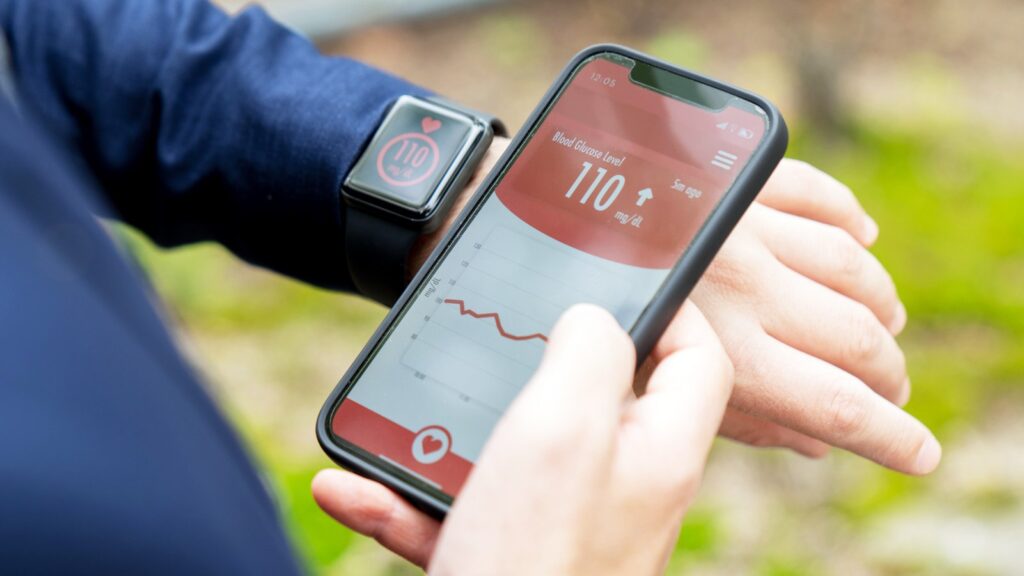
Businessman on the go checking his glucose level using a smartwatch and phone app. Okayama, Japan
A disturbing trend has emerged in the smart technology market, where some low-cost smartwatches are misleading consumers with inaccurate health readings. This issue raises significant concerns about the reliability of these devices, prompting calls for greater consumer awareness and vigilance.
Testing has revealed that many inexpensive smartwatches, often sold without reputable branding, fail to deliver on their health-monitoring promises. A comparison of devices, including the Garmin Forerunner 955 Solar, against budget fitness trackers has consistently shown poor performance. For instance, a recent test of a low-cost tracker resulted in unreliable data, demonstrating severe inaccuracies in step counts and heart rate monitoring.
The proliferation of these questionable products is evident on major online platforms, such as Amazon and Temu, where listings boast features like “Advanced GLUOOSE Reading Smartwatch 24/7 Heart Rate Blood Oxygen.” Unfortunately, these devices often do not possess the capability to accurately measure blood glucose levels, a function that can only be achieved through medically approved technology, such as the Abbott’s Lingo, which utilizes an invasive needle and Bluetooth technology.
Regulatory Oversight and Consumer Protection
In 2025, the Federal Network Agency in Germany conducted an investigation into online listings and uncovered serious deficiencies in 7.7 million products. Smartwatches were among the worst offenders, with issues ranging from the absence of CE markings to false claims about health monitoring features. Many of these devices were discovered to simulate readings rather than provide accurate data, misleading consumers about their health status.
One particularly egregious example is the Kospet iHeal 6, a smartwatch that falsely advertised its ability to monitor glucose levels. Although it was ordered off the market in 2024, it continues to be available in certain regions, highlighting the gaps in enforcement and consumer safety.
Unlike regulated medical devices, most smartwatches do not have to comply with stringent health information laws, such as HIPAA in the United States. Major manufacturers, including Apple, typically seek approval from the US FDA for any health-related features. In contrast, manufacturers of cheaper alternatives can bypass such regulations entirely, merely mimicking legitimate functionalities without any accountability.
Consumer Vigilance Required
The risks associated with these devices underscore the importance of informed purchasing decisions. The presence of cheap smartwatch clones flooding the market at prices as low as $50, £40, or AU$65 can tempt consumers seeking budget-friendly options. However, these products often lack the necessary technology and reliability that legitimate devices provide.
After testing the Viido fitness tracker, it became clear that many budget devices suffer from significant flaws, including erratic tracking and poorly designed applications that resemble malware. Consumers are encouraged to conduct thorough research before making purchases to avoid falling victim to these deceptive practices.
For those looking for trustworthy options, resources such as TechRadar’s guide to the best affordable smartwatches can provide valuable insights. Staying informed and cautious when shopping for health monitoring technology is essential in ensuring both safety and accuracy in personal health tracking.
As the market continues to evolve, it is crucial for consumers to demand transparency and accountability from manufacturers to foster a healthier technological landscape.