




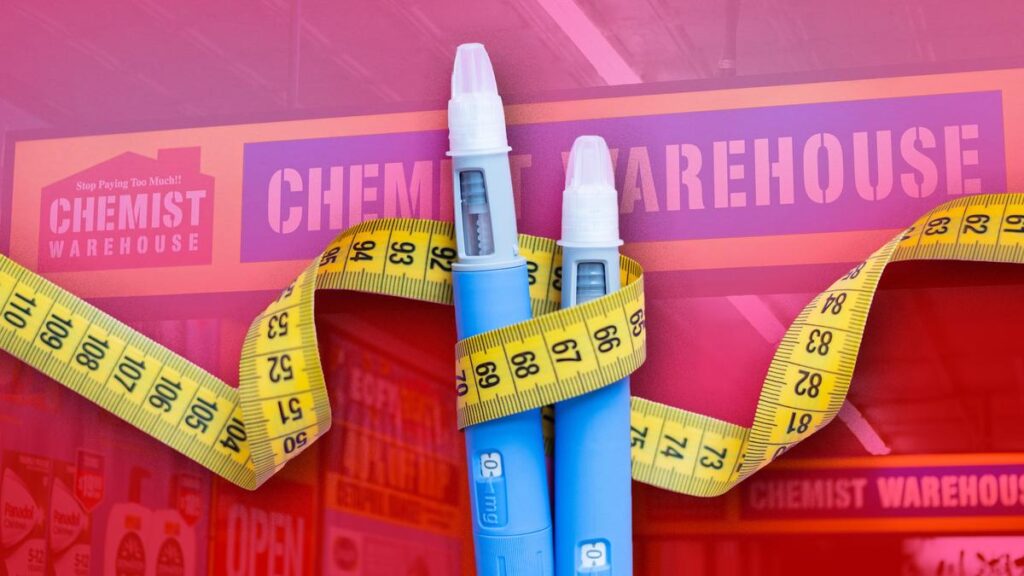
Chemist Warehouse has reported a significant increase in sales, attributing the surge to the rising popularity of weight-loss medications such as Ozempic and Mounjaro. The discount pharmacy chain’s success has contributed to a 14.9 percent increase in half-year revenue for its parent company, Sigma Healthcare, totaling 5.5 billion AUD. This growth follows the much-publicized merger between the two companies last year.
In the six months leading up to December, Chemist Warehouse experienced a remarkable 17.2 percent increase in sales, with same-store sales rising by 15 percent. Sigma’s Chief Executive Officer, Vikesh Ramsunder, highlighted the role of glucagon-like peptide-1 (GLP-1) medications in this growth. “GLP-1s have helped boost sales, and you would expect that, it’s a new category with great adoption in the marketplace,” Ramsunder stated during a recent analysts’ meeting. He expressed confidence that this trend is likely to continue as more consumers embrace these treatments.
Impact of Weight-Loss Drugs on Market Growth
GLP-1 medications mimic a hormone that regulates hunger and blood sugar levels. By reducing cravings and promoting a feeling of fullness, these drugs are gaining traction among consumers seeking effective weight-loss solutions. Ramsunder emphasized the long-term benefits of these medications, noting that as they become more affordable, demand is expected to increase.
Last January, shareholders overwhelmingly endorsed the merger, with Chemist Warehouse investors holding nearly 86 percent of the combined entity. This transaction was effectively a reverse takeover, resulting in Chemist Warehouse becoming the majority owner while retaining the Sigma name. The expanded business now includes the Amcal and Discount Drug Stores chains, operating over 5,900 pharmacies across Australia, as well as locations in New Zealand, Ireland, and Dubai.
The merger has also positively impacted the bottom line, with Sigma’s net profit climbing by 22.6 percent to 379.8 million AUD compared to the previous corresponding period. During the first half, Sigma expanded its Chemist Warehouse footprint by adding 13 new stores, bringing the total to 550. Plans are also in place to open an additional nine stores and refurbish 18 existing locations in the latter half of the year.
Future Growth and Market Strategy
Ramsunder noted that domestic growth remains a priority, while international operations are also showing promise. Sigma currently operates 89 stores outside Australia, primarily in New Zealand. The company targets different market segments with its various pharmacy brands: Chemist Warehouse and Discount Drugs appeal to an aging population, while Amcal attracts younger shoppers interested in beauty and personal care products.
“Our business model is scalable and captures all segments of the market,” Ramsunder remarked. He indicated that efforts to enhance the Amcal and Discount Drug Stores network are ongoing and will take several years to fully realize their potential. Sigma has set ambitious long-term goals, aiming for 900 Chemist Warehouse stores, 300 Amcal pharmacies, and over 150 Discount Drug Stores within a potential 15-year timeframe.
In the early weeks of the second half of the fiscal year, Chemist Warehouse reported a 16.6 percent increase in sales. Following these announcements, shares of Sigma experienced a notable rise, declaring an interim dividend of 2 cents before closing down 1.7 percent to 2.94 AUD. The financial performance and strategic growth plans suggest a robust future for both Chemist Warehouse and Sigma Healthcare as they navigate the evolving landscape of the pharmacy sector.