Millions of individuals suffer from varicose veins, experiencing discomfort and aesthetic concerns. These twisted, bulging veins can arise from various factors, including genetics, prolonged standing, pregnancy, and the natural aging process. Fortunately, advancements in medical treatments have dramatically improved outcomes and reduced recovery times. Patients often wonder how long the treatment process takes and when they can expect to see significant results.
The journey typically begins with a consultation that lasts between 30 and 60 minutes. During this appointment, a specialist employs ultrasound technology to map the veins and determine the most suitable treatment options. This initial assessment helps set realistic expectations for the patient.
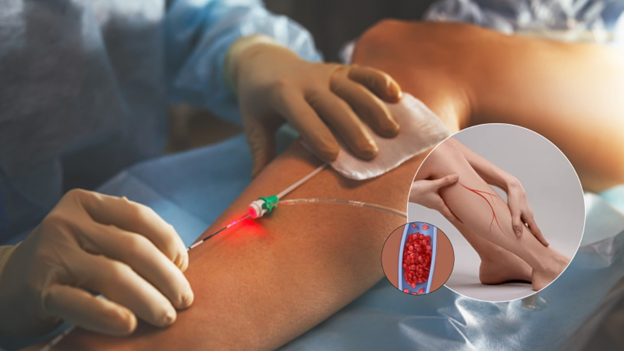
Modern treatments for varicose veins are generally minimally invasive and performed in outpatient settings under local anesthesia. Patients can expect to walk into the clinic and return home the same day. The duration of the actual procedure varies, lasting anywhere from 30 to 90 minutes, depending on the number of veins requiring attention.
Recovery begins immediately after treatment. Patients are usually advised to wear compression stockings for one to two weeks to aid in healing and minimize swelling. Light walking is encouraged right away to enhance circulation, although strenuous activities and prolonged standing may be limited for a couple of weeks. Patients often experience relief from symptoms such as pain, swelling, and heaviness within days to weeks, while cosmetic improvements may take longer as the body gradually absorbs the treated veins.
Several effective treatment options are available today, each with varying approaches. Endovenous laser ablation (EVLA) and radiofrequency ablation (RFA) utilize heat to close off larger veins. Typically, these treatments take about 45 to 60 minutes per leg, and many patients can return to work the following day with minimal downtime. Sclerotherapy, suitable for smaller veins and spider veins, involves injections and lasts between 15 and 45 minutes per session, often requiring multiple follow-ups. A newer method, VenaSeal, may offer even quicker results in some cases, eliminating the need for compression stockings afterward.
The choice of treatment depends on factors such as vein size, symptoms, and the patient’s lifestyle. Minimally invasive options are increasingly popular due to their high success rates, often exceeding 95% for effectively closing targeted veins while allowing for a shorter recovery compared to traditional surgical methods.
Post-treatment, patients can expect mild bruising, tenderness, or tightness in the leg, which signifies the body’s healing process. Most individuals feel prepared to resume daily activities within 24 to 48 hours, though avoiding strenuous activities for one to two weeks is advisable. In the first week, any swelling or discomfort typically peaks before beginning to fade, largely aided by compression.
By weeks two to four, many patients report substantial relief from discomfort, with bruising diminishing. The cosmetic changes occur gradually, with smaller veins fading within three to six weeks, while larger veins may take two to six months or longer to fully resolve. Long-term results usually become apparent between three to twelve months after treatment.
Regular follow-up ultrasounds are conducted to ensure vein closure, and additional touch-up sessions can address any residual branches. To maximize the benefits of treatment, maintaining an active lifestyle, a healthy weight, and wearing compression garments when necessary can be very effective.
The most encouraging aspect of these treatments is the substantial improvement in symptoms. Pain, swelling, cramping, and the sensation of heavy legs often abate quickly—sometimes within days—due to enhanced blood flow through healthier veins. The success rates for closing problematic veins range from 95% to 99% with current ablation techniques. While perfect legs may not appear overnight, visual progress is typically noticeable over time, with many individuals enjoying lasting results for years.
For those concerned about the recurrence of varicose veins, lifestyle adjustments are crucial. Addressing underlying factors such as prolonged standing can significantly reduce the risk of new vein development. Some patients explore complementary natural remedies, such as products like Natural Amoils, which may alleviate symptoms and enhance skin comfort during recovery; however, it is essential to consult a healthcare professional before integrating such options.
Treating varicose veins goes beyond cosmetic improvement; it significantly enhances comfort and confidence in everyday life. With contemporary treatment solutions, the time investment is minimal relative to the long-term benefits of lighter legs, reduced pain, and the freedom to wear what one desires without hesitation. For those considering treatment, beginning with a consultation can set the stage for a transformative journey. The path to recovery may seem lengthy at first, but the positive outcomes are often life-changing. Prioritizing personal care and adhering to aftercare recommendations can lead to meaningful progress and improved quality of life.