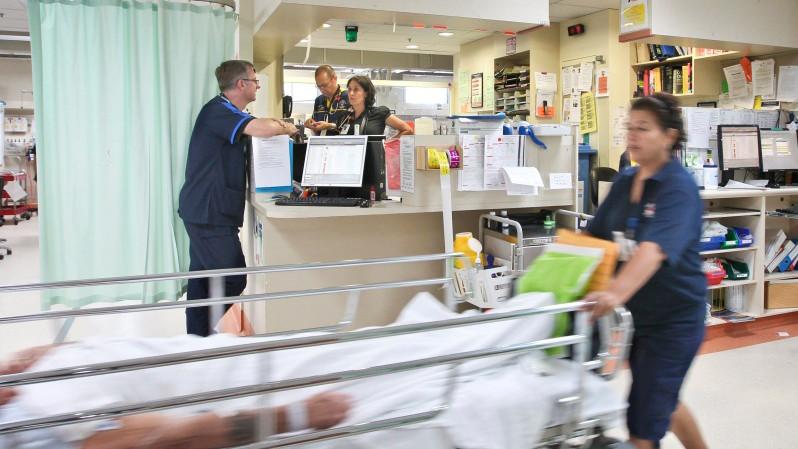
Emergency department at Royal Perth Hospital.
Emergency department wait times are soaring in Western Australia, prompting a significant exodus of doctors from public hospitals. The latest findings from the Productivity Commission reveal that WA leads the country in doctor attrition, with over a quarter of the workforce—26.4 percent—leaving in 2024, compared to a national average of 24.2 percent.
The report highlights deteriorating conditions within the public health system, which have become increasingly untenable for medical professionals. Kyle Hoath, President of the Australian Medical Association (AMA) in WA, indicated that many doctors, particularly those early in their careers, are disillusioned. “Conditions are a big thing; people are just fed up,” he stated, emphasizing that junior staff are unwilling to accept poor working environments.
Emergency Care Struggles
Patients seeking care in public emergency departments are facing alarming delays. In the period of 2024-25, less than half of all patients received timely attention. Only 29 percent of West Australians classified as urgent—those with potentially life-threatening conditions—were seen within the recommended 30-minute window, starkly below the national average of 61 percent. Additionally, one in three emergency cases requiring immediate attention were not treated within the necessary 10 minutes, matching the national figure of 32 percent.
These delays are compounded by rising costs associated with primary and mental health care. Approximately 7 percent of West Australians reported delaying or avoiding visits to their general practitioners due to financial reasons. This percentage increased for mental health services, with 23.4 percent postponing or foregoing appointments with psychologists and 18.7 percent for psychiatrists.
Financial Pressures in Healthcare
Dr. Hoath attributes much of this financial strain to policies of private health insurers and inadequate Medicare reimbursements. He explained, “Insurers put the squeeze on us, and the cost of doing business goes up, so we pay more and then have to charge higher fees.” The stagnant nature of Medicare rebates, not keeping pace with inflation or cost-of-living adjustments, exacerbates the issue.
Dr. Hoath criticized the lack of substantial reform in the Medicare system, asserting that political considerations often take precedence over societal needs. “Decisions are made around what is best politically, vote-wise, rather than what is best for society,” he remarked. He called for bipartisan action and leadership to address these pressing challenges, urging lawmakers to prioritize meaningful healthcare reforms.
As the healthcare system in Western Australia grapples with these significant challenges, the impact on both medical professionals and patients is increasingly evident. The rising wait times and financial barriers to care raise urgent questions about the future viability of public healthcare in the region.