


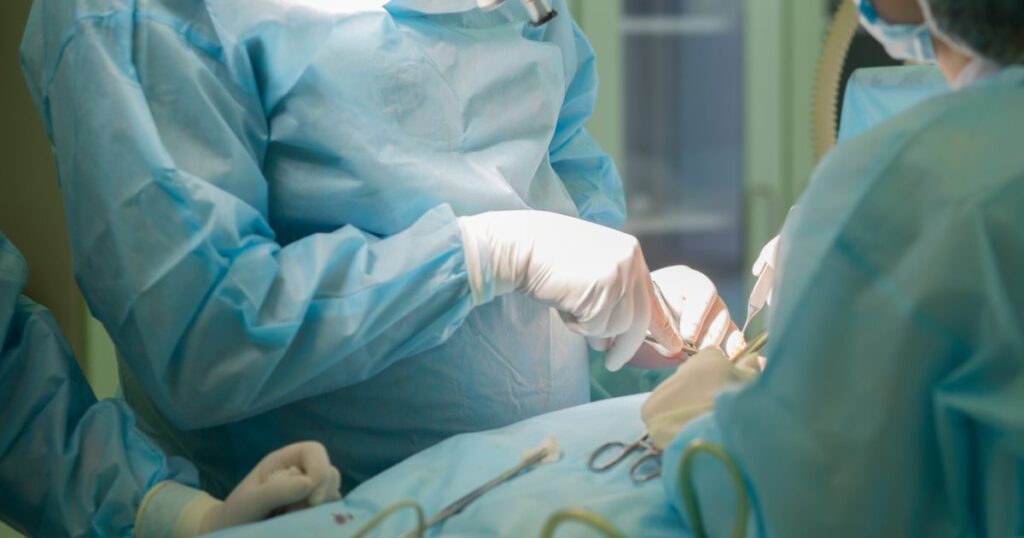
Public hospitals across Australia are experiencing a significant increase in elective surgeries, with admissions rising to *791,000* for the 2024-25 period. This figure marks a notable leap from *712,000* admissions recorded a decade earlier, according to new data from the **Australian Institute of Health and Welfare** (AIHW). The AIHW, an independent Federal Government agency, compiles health statistics to inform policy development.
The latest report from the AIHW reveals that elective eye surgeries have seen the most substantial growth. Specifically, *cataract surgery* emerged as the most prevalent procedure, with *88,000* admissions in 2024-25, up from *84,000* in 2023-24. According to **Clara Jellie**, an AIHW spokesperson, “Half of these patients were admitted within *106 days*, a decrease from *189 days* in 2023-24,” highlighting improvements in wait times for these critical procedures.
Wait Times and Patient Access
The data further indicates that *50%* of patients were admitted from a public hospital elective surgery waiting list within *45 days* during 2024-25, which is consistent with the previous year’s figure of *46 days*. The report also notes that only *6%* of patients had to wait longer than a year for elective surgery.
Elective surgery is defined as planned procedures that can be scheduled in advance following a specialist’s assessment. While these surgeries are often medically necessary, they are not conducted in response to emergency situations. The report emphasizes that most elective surgeries in Australia take place in private facilities, yet the data it presents offers a comprehensive view of those performed in public hospitals.
It is important to note that the elective surgery waiting time information is based on data collected post-procedure, which means it does not accurately reflect the current status of individuals on waiting lists.
Emergency Department Presentations Rise
The report also highlights trends in emergency department (ED) presentations, which have increased significantly. In 2024-25, there were *9.1 million* presentations in public hospitals, translating to *328 presentations per 1,000* population. This marks an increase from *7.6 million* presentations and *316 per 1,000* population in 2015-16.
Half of all patients presenting to EDs were seen within *18 minutes*, consistent with the previous year. However, approximately *10%* of patients, or one in ten, waited longer than *one hour and 58 minutes* to receive care. Overall, *67%* of patients were treated within the appropriate time frame based on their triage category, including all individuals needing immediate attention.
The report indicates that *53%* of patients had their care completed within *four hours*, a slight decrease from *55%* in 2023-24. Among those subsequently admitted to the same hospital, nearly *30%* of ED presentations were resolved within this timeframe.
In terms of demographics, males constituted *49%* of ED presentations. The most common triage categories assigned were *Urgent* at *42%*, followed by *Semi-urgent* at *34%*, and *Emergency* at *18%*. Notably, patients aged four years and under accounted for *10%* of presentations, while those aged 15 to 44 made up *37%* and individuals aged 65 and over represented *24%*.
Among the elderly, *52%* of patients aged 65 and older who presented to the ED were subsequently admitted to the hospital, compared to *30%* for the overall patient population.
The AIHW’s findings underscore the increasing demand for both elective surgeries and emergency care within Australia’s public health system, revealing trends that may influence healthcare policy and resource allocation in the coming years.