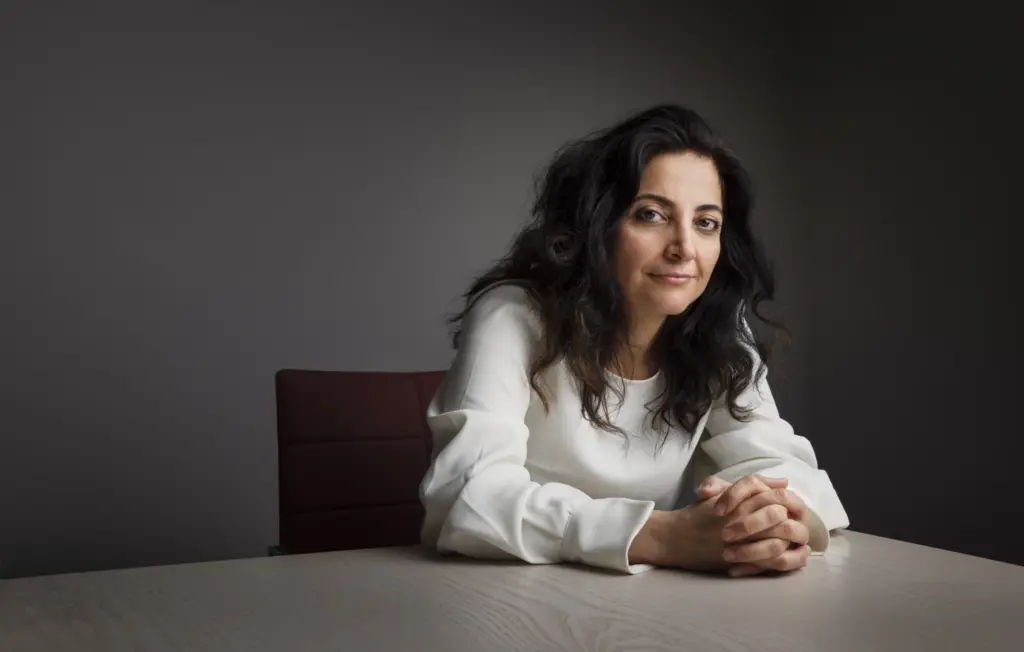
Elham Rostami, a neurosurgeon at Uppsala University Hospital and associate professor at the Karolinska Institutet, has dedicated her career to saving lives and researching brain injuries. Each year, approximately 70 million people worldwide suffer from traumatic brain injuries (TBIs), often due to accidents, assaults, or sports-related incidents. Rostami’s work focuses not only on immediate emergency care but also on understanding the varied recovery outcomes among patients with similar injuries.
Emergency situations dictate the pace of Rostami’s life. During a recent interview, she had to cancel at the last minute due to an urgent surgery, showcasing the demands of her role. “You can sustain the same type of injury but recover very differently,” she explains. “Some patients expected to experience severe disabilities return surprisingly well. Understanding why is what I am trying to uncover in my research.”
Her research group at Karolinska is collecting extensive data from patients during hospitalization and follow-ups. By utilizing patient records, population registers, and artificial intelligence tools, they aim to uncover the factors that contribute to recovery. Notably, Rostami highlights disparities in rehabilitation access within Sweden, revealing that patients living in rural areas face up to a 40 percent lower chance of receiving necessary rehabilitation after intensive care.
“Factors such as gender, education, and geographic location significantly impact rehabilitation,” she notes. “This inequality must be addressed in our analyses.” Furthermore, her studies indicate that individuals suffering from head injuries often have pre-existing health issues, complicating their recovery journey.
Researching brain injuries presents challenges, particularly in the acute phase when the focus is on preserving function. To gain deeper insights, Rostami and her team employ animal models, investigating genetic influences on recovery using mice with various genetic variants. “Research shows that around 25 percent of recovery outcomes are linked to genetic variation,” she states, particularly highlighting a significant gene that encodes for BDNF, a protein crucial for brain health.
Despite the potential insights from animal studies, Rostami emphasizes the limitations of translating these findings to human patients. “Many treatments that succeed in rodents do not yield the same results in humans,” she explains. This realization has led her to collaborate with researcher Carl Sellgren Majkowitz at the Karolinska Institutet, where they are exploring human organoids—miniature lab-grown brains—transplanted into rats. This innovative approach allows them to study human nerve cell responses to injury and test potential treatments in a controlled environment.
Rostami’s commitment to advancing neurosurgery extends beyond her research. Recently elected as chair of the neurotrauma section of the European Association of Neurosurgical Societies, she made history as the first woman to hold this position. “It’s a small step, but it could lead to significant changes in the long run,” she reflects, acknowledging the gender imbalance in the field, where women comprise only 5 to 10 percent of neurosurgeons in countries like the United States and the United Kingdom.
As one of only a hundred neurosurgeons in Sweden, Rostami understands the weight of her responsibilities. “Deciding whether to continue or end treatment is part of daily practice and requires both expertise and humility,” she notes. Her dedication to her profession is evident, as she admits, “Being a neurosurgeon is almost like a lifestyle. You cannot just say, ‘I am going home now’ in the middle of an operation.”
In her personal life, Rostami finds joy in research, describing it as an enjoyable break from the demands of surgery. “Searching for answers to all the questions that nag at you is deeply satisfying,” she says, noting that her husband often refers to her research as a hobby.
Born in Iran, Rostami fled to Sweden with her family during the Iran-Iraq War at the age of seven. The journey was challenging, but she recalls the kindness they received upon arrival in Sweden. “Everyone there was so wonderfully kind. We learnt to skate, play the piano, and explore the forest,” she reminisces. This experience instilled in her a deep appreciation for education and perseverance, values emphasized by her parents.
Rostami is also vice chair of the Young Academy of Sweden, focusing on research policy and fostering dialogue between science and society. “Building resilience in society requires a shared perception of reality grounded in science,” she asserts.
As she continues her work in neurosurgery and research, Rostami is keenly aware of the broader implications of her findings. She reflects on the rise in traumatic brain injuries linked to electric scooters, stressing the need for stricter regulations, including mandatory helmets. Additionally, she emphasizes the importance of physical fitness in recovery, suggesting that those who are physically active may experience better healing outcomes after a brain injury.
Rostami’s insights extend to the long-term consequences of brain injuries, noting that even mild cases can lead to significant challenges later in life, including an increased risk of dementia. Her commitment to understanding and improving patient outcomes remains steadfast as she navigates the complexities of her profession.
With a strong sense of purpose and an unwavering determination, Elham Rostami exemplifies the vital role of neurosurgeons in advancing medical knowledge and enhancing patient care. Her journey from a refugee to a leader in her field inspires others to pursue their passions, embodying resilience and the belief that education is the key to overcoming adversity.