

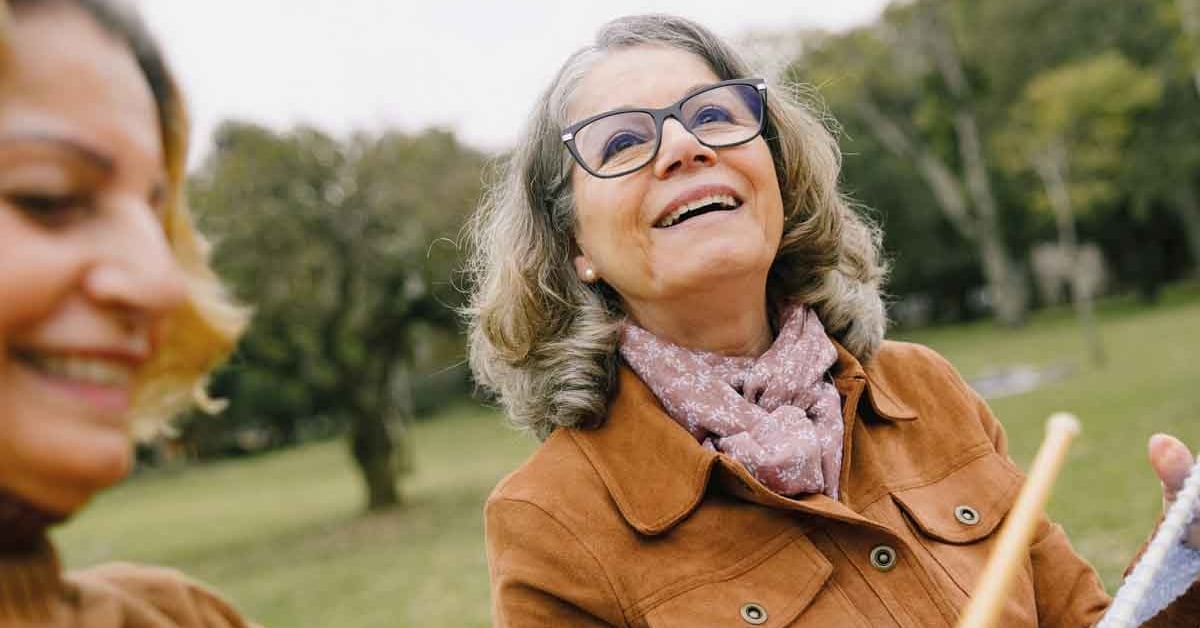
On a chilly day in Canada, a gym filled with energy showcases a remarkable trend among older adults. Individuals, predominantly around the age of 70, participate in a lively workout class, demonstrating that age does not dictate vitality. Among them is Carl, a vibrant 90-year-old, who reflects on his journey towards better health. “After I retired, taking a walk would get me out of breath,” he shares. His commitment to regular walking eventually led him to embrace a gym routine, resulting in improved eating habits and a recent joyful 90th birthday celebration.
Aging is a universal experience, yet many struggle to accept it. Society often perpetuates stereotypes that influence how individuals perceive this stage of life. Contrary to the notion that aging equates to decline, many are redefining it as a period ripe with possibilities. The emphasis is shifting towards joy and curiosity, encouraging individuals to engage in self-care and personal growth.
Attitude Matters
The aging process is influenced by a combination of genetics, environment, and lifestyle choices. Tracey, a participant in the same gym class, emphasizes the importance of maintaining both physical and mental health. “What’s important to me is my physical and mental health, and that I give my body every opportunity to age gracefully,” she states. Her approach to happiness involves cherishing simple moments and engaging in activities that bring her joy, such as volunteering and practicing yoga.
Curiosity also plays a significant role in healthy aging. An inquisitive mindset fosters learning and connection, allowing individuals to continue growing throughout their lives. Tracey has embraced this philosophy, exploring hobbies she previously lacked time for while working full-time. “I am exploring hobbies that I could not do when I was working full-time,” she notes. Pursuing new interests not only enriches her life but also enhances cognitive function and overall well-being.
Breaking Barriers
It is never too late to try something new. Individuals can engage in various activities, ranging from learning a musical instrument to joining a dance class. Opportunities for personal growth abound, and many organizations offer resources tailored for individuals aged 55 and older. Whether it’s learning a new language or volunteering at a local charity, the potential for exploration is limitless.
Participants like Marita, a canoe club member in her 70s, demonstrate that aging does not equate to losing one’s passions. “I love canoeing, and though it’s more difficult to do in my 70s, I won’t give it up anytime soon,” she asserts. Her husband, also in his mid-70s, commits to daily swimming and walking, accumulating over 10,000 steps while enjoying nature.
Loneliness poses a significant health risk for older adults, particularly affecting one in five Canadians aged 65 and older. This issue disproportionately impacts those in lower-income brackets, leading to adverse health outcomes. Group activities, such as Marita’s canoeing excursions, offer opportunities to combat isolation and foster meaningful connections. Engaging with peers can provide a renewed sense of purpose, crucial for those at risk of loneliness.
Shaping Your Journey
Aging with joy and curiosity enables individuals to live fully, transcending the limitations of chronological age. Rejecting stereotypes associated with getting older allows for a redefinition of what it means to age. Rather than perceiving this stage as one of decline, individuals can view it as an opportunity for exploration and celebration.
Nutrition also plays a vital role in healthy aging. As the body changes, adopting a whole-food diet rich in vegetables, fruits, whole grains, and healthy fats supports overall health. Supplements such as Coenzyme Q10 and Vitamin C can enhance energy production and skin health, while Glucosamine may alleviate joint pain. These dietary choices, combined with an active lifestyle, can significantly improve quality of life.
Embracing the aging process with joy and curiosity not only enriches individual lives but also enhances community well-being. As more people celebrate the gift of time, they challenge the norms of aging and inspire future generations to thrive.