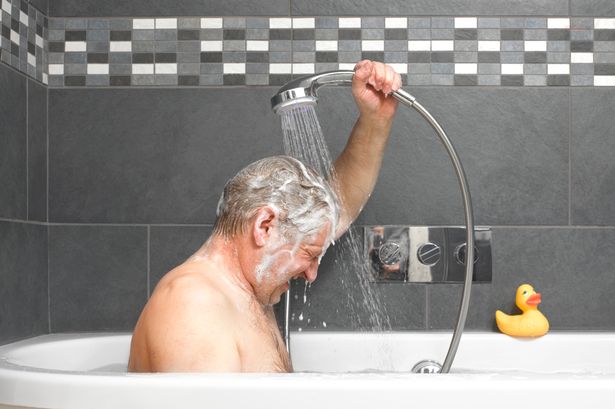
Many people follow a daily showering routine, believing it to be essential for maintaining hygiene. However, experts now suggest that individuals over the age of 65 may benefit from reducing their shower frequency. This recommendation aims to balance cleanliness with skin health, addressing the unique needs of aging skin.
According to the NHS, bathing or showering at least twice a week is sufficient for older adults. This aligns with advice from home care specialists at Helping Hands, who emphasize that showering once or twice a week can help prevent skin conditions and infections. This approach allows seniors to maintain hygiene without compromising skin integrity.
As individuals age, their skin becomes more fragile, losing elasticity and becoming more susceptible to cuts and irritation. Daily showering can be physically taxing, particularly for those suffering from joint pain or mobility issues. The simple act of getting in and out of a shower can become daunting, transforming what should be a rejuvenating experience into a challenging task.
Statistics from the Salisbury Laser Clinic indicate a heightened risk of bathroom-related injuries among older adults. Wet surfaces can lead to slips and falls, which is a significant concern for this demographic. Therefore, finding a balance between personal hygiene and safety is crucial.
While infrequent showering might lead to body odour and anxiety about social interactions, excessive washing can strip the skin of its natural oils, heightening the risk of infections and dryness. Most experts agree that showering or bathing a couple of times a week often strikes a healthy balance for many seniors.
Maintaining Hygiene Without Daily Showers
On days when a full shower is not possible, experts recommend focusing on cleaning specific areas. This can easily be done at the sink using warm water, soap, and a washcloth or sponge. Targeting the face, underarms, privates, and feet can help manage odour and maintain cleanliness without the need for a lengthy shower.
Long shower sessions can exacerbate skin dryness. While the allure of hot showers may be tempting during colder months, experts advise keeping the water temperature moderate. Excessive heat can lead to dry, itchy skin and increase susceptibility to skin infections.
To combat dryness, applying moisturiser to problem areas or all over the body can assist in rehydrating skin after washing. This simple step can significantly enhance skin health and comfort, ensuring that seniors remain both clean and protected.
Ultimately, the key lies in personalizing hygiene routines to better suit individual needs. As people age, adapting showering habits can lead to improved well-being while maintaining essential hygiene standards.