Health authorities in New South Wales (NSW) have issued a warning for residents to be vigilant regarding symptoms of measles following the identification of four new cases. Notably, three of these cases were contracted locally, with no history of overseas travel. The NSW Health department confirmed on March 15, 2026, that two of these locally acquired cases are linked to previous instances in the state, while the source of the third case is still being investigated.
The fourth case involves an individual who recently returned from Southeast Asia, where there are ongoing outbreaks of measles. While infectious, these individuals visited numerous locations throughout the state, including healthcare facilities in northern, southeastern, and southwestern Sydney, as well as in the Illawarra Shoalhaven region and western NSW.
As of now, the risk for measles in NSW has been classified as “increased,” with a total of 14 confirmed cases reported since the beginning of 2026. Dr Christine Selvey, Director of Communicable Diseases at NSW Health, emphasized the importance of monitoring for symptoms, especially for anyone who has visited the identified exposure locations.
“If symptoms develop and you’ve been at one of the locations at the times listed on our website, see your doctor or health service, including an emergency department. Call ahead to let them know that you may have come into contact with measles so you don’t spend time in waiting rooms with other patients,” Dr Selvey advised.
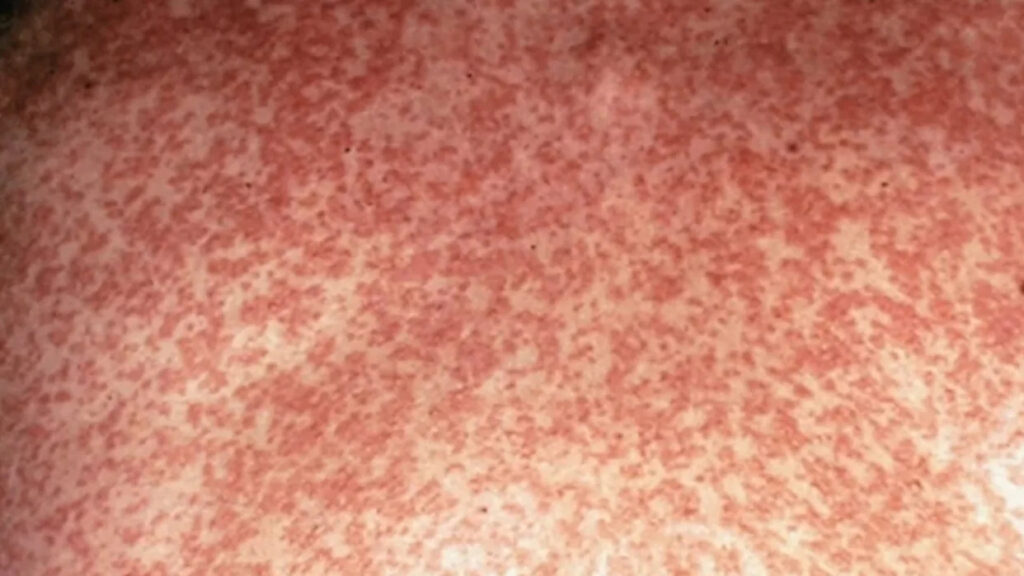
The primary symptoms to watch for include fever, runny nose, sore eyes, and a cough, which are typically followed three to four days later by a red, blotchy rash that spreads from the head to the rest of the body. Dr Selvey also noted that individuals exhibiting early symptoms who develop a rash days later should consider measles, even if they have not visited one of the identified locations.
“It can take up to 18 days for symptoms to appear after exposure, so it’s crucial for people who visited these locations to remain vigilant for that period,” she added.
Measles is a vaccine-preventable disease that spreads through the air when an infectious person coughs or sneezes. In light of these recent cases, NSW Health urges the public to consult their website for a comprehensive list of exposure locations and times to stay informed. This proactive approach aims to mitigate the spread of measles and protect the community’s health.