




Scientific advancements this week have unveiled significant developments across various fields, from cannabis standards to ancient lifeforms and health studies. Researchers have proposed new methods for measuring cannabis consumption, while discoveries in archaeology and microbiology have shed light on the past and its implications for health.
Cannabis Consumption: New Standard Measure Proposed
UK scientists have introduced a new standard measure for cannabis use, calculated in terms of THC units. This initiative aims to assist users and healthcare professionals in accurately monitoring cannabis intake. For instance, a typical 0.45-gram joint of strong herbal cannabis may contain approximately 12.78 THC units, whereas weaker, seeded herbal cannabis might have around 3.78 THC units. This standardization could enhance understanding and communication regarding cannabis potency and consumption.
Mysterious Ancient Lifeforms Challenge Biological Classifications
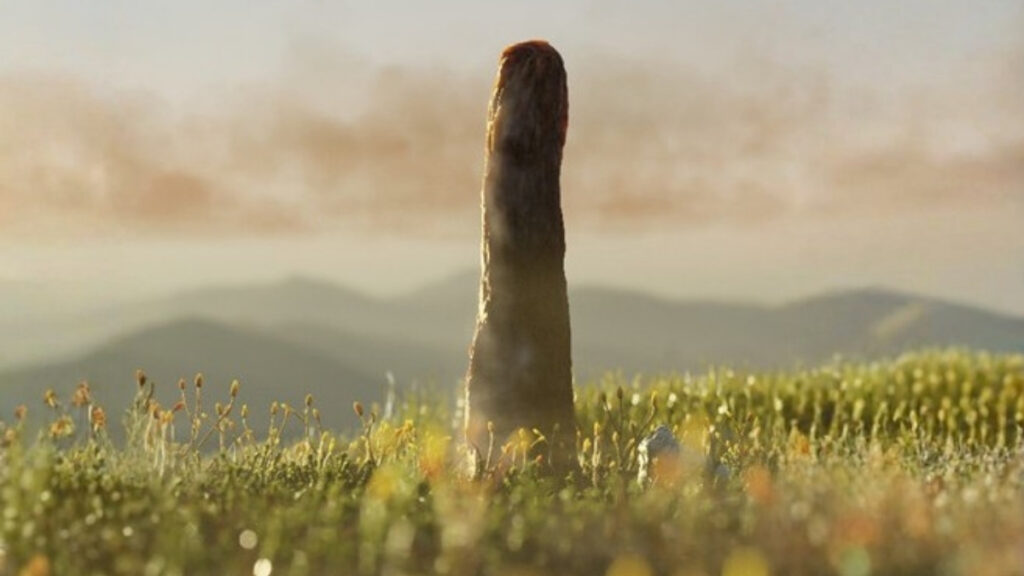
In another fascinating development, researchers have reviewed the characteristics of Prototaxites, an ancient organism that stood up to 8 meters (26 feet) tall approximately 400 million years ago. The study concluded that Prototaxites does not fit into any modern biological category. Utilizing microscopic anatomy and chemical analyses, the team systematically ruled out classifications as fungi, plants, or even animals. The findings raise intriguing questions about life forms that may have existed outside our current understanding of biology.
World’s Oldest Rock Art Uncovered in Indonesia
Archaeologists have made a groundbreaking discovery in Indonesia, unearthing the world’s oldest known rock art, which dates back at least 67,800 years. According to Maxime Aubert of Griffith University, who co-led the research, this discovery suggests the existence of a long-standing cultural tradition that has been largely overlooked until now. The findings could reshape our understanding of early human expression and creativity.
Microbial Influence on Alcohol Absorption
A recent study has identified the bacteria E. coli and K. pneumoniae as the primary culprits behind a rare condition in which alcohol is produced in the gut after meals. This condition, known to cause alcohol-like symptoms in individuals without alcohol consumption, suggests potential pathways for treatment. Researchers recommend exploring dietary changes, stool transplants, or probiotics to introduce beneficial gut bacteria that could better metabolize ethanol.
Innovative Low-Calorie Sugar Discovered
In nutritional science, researchers have developed a method to produce tagatose, a natural sugar that is 92% as sweet as sucrose but with only 30% of the calories. Importantly, tagatose does not cause insulin spikes like traditional sugars or high-intensity artificial sweeteners, making it an appealing option for individuals managing diabetes or blood glucose levels.
Shingles Vaccine Linked to Slower Aging Processes
A study involving over 3,800 individuals aged 70 and above has revealed that the shingles vaccine may contribute to slower biological aging and reduced inflammation. Researchers Jung Ki Kim and Eileen Crimmins from the University of Southern California suggest that the vaccine might have broader implications for aging-related health. This finding opens new avenues for exploring vaccines’ potential benefits beyond immediate disease prevention.
These discoveries highlight the dynamic nature of scientific inquiry and its implications for understanding health, history, and the natural world. Each revelation not only expands our knowledge but also prompts further questions about the complexities of life and human experience.