



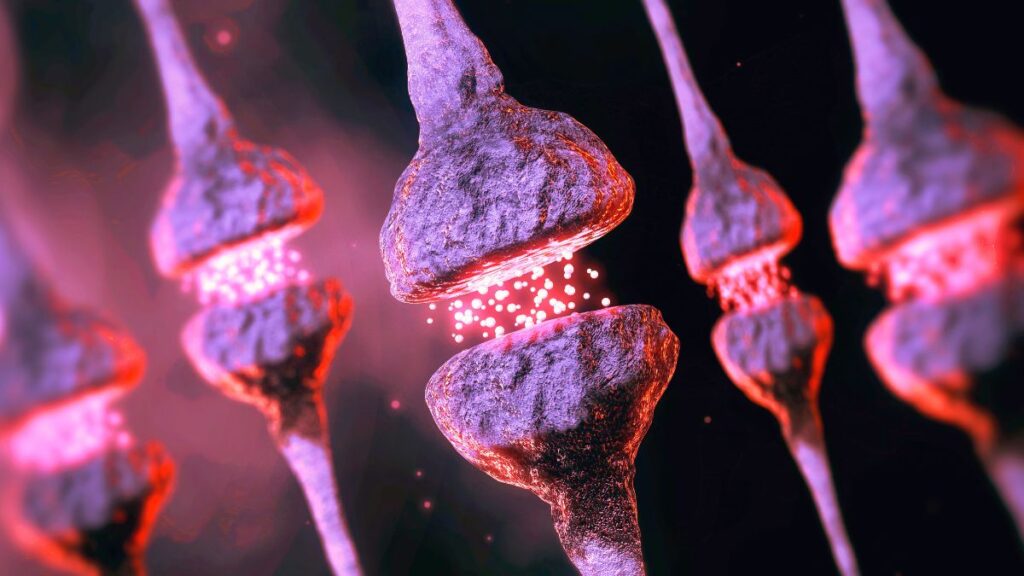
A recent study has uncovered a hidden brain process that may clarify why the risk of developing Alzheimer’s disease increases with age. Researchers at the University of California, San Francisco have suggested that understanding this process could lead to the identification of new biomarkers for brain health, potentially paving the way for earlier interventions and better management of cognitive decline.
This research, published in late September 2023, highlights the link between aging and neurodegenerative disorders. The team examined the brain’s cellular mechanisms, revealing that certain changes occur over time that may contribute to the onset of Alzheimer’s. This work represents a significant step in understanding how age affects brain function and resilience.
The implications of this study extend beyond academic curiosity. Experts believe that identifying new biomarkers could revolutionize how healthcare professionals assess brain health in older adults. Early detection is crucial in managing Alzheimer’s, as it allows for timely interventions that may slow the disease’s progression.
In their analysis, the researchers focused on the role of specific cellular processes that become less efficient as individuals age. By mapping these changes, they hope to uncover patterns that could serve as indicators of cognitive health. The findings suggest that monitoring these biomarkers might help clinicians better predict which patients are at higher risk for developing Alzheimer’s.
This research builds on previous studies linking aging to increased susceptibility to neurodegenerative diseases. As the global population ages, understanding these connections becomes increasingly important. According to the World Health Organization, the number of people living with dementia worldwide is expected to reach 78 million by 2030, highlighting the urgency of this research.
The researchers emphasize the need for further studies to validate their findings and explore potential therapeutic approaches. By continuing to investigate the biological underpinnings of Alzheimer’s, they aim to create a clearer picture of how age affects brain health and cognition.
In summary, the discovery of a hidden brain process offers promising insights into the relationship between aging and Alzheimer’s risk. As this field of research evolves, the potential for new diagnostic tools and treatment strategies could significantly impact the lives of millions facing cognitive decline. The ongoing work at the University of California, San Francisco could mark an important milestone in the fight against Alzheimer’s disease and related disorders.