




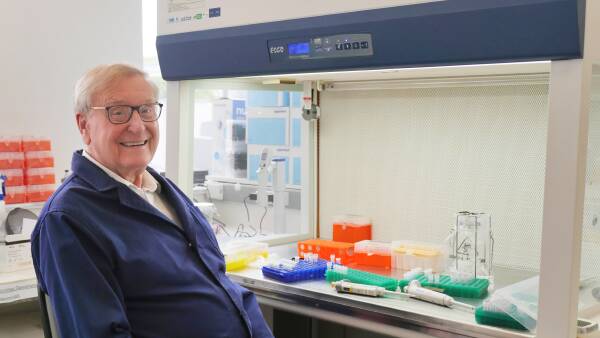
A promising new vaccine for Q fever, which could be cheaper and easier to administer than the current option, is facing delays due to funding challenges. The vaccine, developed under the leadership of Dr. Stephen Graves at the Australian Rickettsial Reference Laboratory, successfully completed animal trials but requires up to $1.5 million to progress to human testing.
Q fever is a disease primarily spread by livestock, with a notable surge in cases recently. In 2025, Australia reported 875 cases, with nearly half occurring in Queensland. Many individuals who contracted the disease experienced debilitating symptoms, including severe fatigue, years after initial infection. The only currently approved vaccine, Q-Vax, costs over $380, and the prerequisite testing for prior infection can delay employment for new workers in the meat and cattle industries.
Dr. Graves explained that the new vaccine could significantly reduce costs due to its method of production. Unlike Q-Vax, which uses embryonated chicken eggs, the new vaccine’s live cultures are grown in a chemical liquid. This innovation could streamline the vaccination process, allowing individuals to receive the vaccine on the same day without prior testing. “Our initial lab work and animal trials wrapped up in mid-2025,” he stated, noting that guinea pigs showed positive responses without adverse effects in already immune subjects.
Funding remains the primary barrier to advancing human trials. “We are looking for $1 million to $1.5 million to conduct a phase one study in humans, starting with one participant and gradually increasing the group size,” Dr. Graves added. He expressed hope that, if funding is secured promptly, the new vaccine could be available within five years.
In the lead-up to the 2025 federal elections, Cattle Australia urged both major political parties to commit $3 million to expedite the development of the new vaccine. Then-CA president Dr. Chris Parker emphasized the need for a comprehensive vaccination program to protect both cattle producers and meat workers, noting the current obstacles in the vaccination process.
As of now, there has been no public indication that the federal government has allocated funds towards new Q fever vaccine initiatives since the elections. A spokesperson from the Australian Centre for Disease Control highlighted various protective measures that producers can take, including vaccinations and hygiene practices. Recommendations included washing hands after contact with animals and properly managing contaminated clothing and equipment.
When asked about potential funding for further research into the new vaccine, the spokesperson did not provide a response. The Australian Centre for Disease Control reported that the number of Q fever cases in 2025 was approximately 50% higher than the five-year historical average of 584.4 cases annually. Most Q fever cases occur in adults exposed to livestock or contaminated environments.
A representative from Queensland Health noted the importance of ongoing surveillance and collaboration with animal health authorities to mitigate exposure risks. “These measures can help to reduce ongoing transmission,” they stated.
Meanwhile, Commonwealth Serum Laboratories Seqirus, the sole manufacturer of the Q fever vaccine, did not respond by publication time regarding ongoing efforts to reduce costs or testing requirements for the current vaccine. As the demand for a more accessible vaccine increases, the emphasis on acquiring funding and support for this new development remains critical.