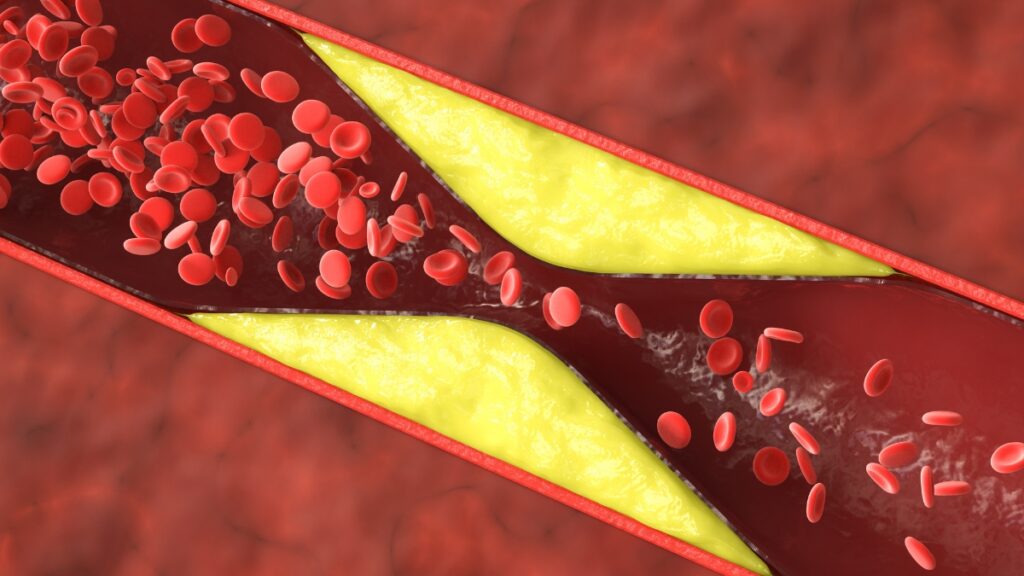
Research from the Mayo Clinic indicates that more than 50% of heart attacks in women aged 65 and younger are not caused by clogged arteries, a traditional assumption in cardiology. The study analyzed data from 1,474 heart attack events recorded in Olmsted County, Minnesota, between 2003 and 2018. The findings challenge existing beliefs about heart attack causes, particularly among younger women.
A thorough examination of medical records and imaging revealed that while atherothrombosis, a condition where blood clots obstruct blood flow to the heart, accounted for 75% of heart attacks in men, it only accounted for 47% in women. This significant difference has important implications for both prevention and treatment strategies for heart attacks.
Claire Raphael, a cardiologist involved in the study, emphasized the need for a deeper understanding of heart attack causes that have historically been overlooked, especially in women. “When the root cause of a heart attack is misunderstood, it can lead to treatments that are less effective – or even harmful,” she said.
The research identified that 34% of all heart attack events in women were attributed to supply/demand mismatch secondary myocardial infarctions (SSDMs). These occur when there is an imbalance in oxygen supply and demand due to stressors like anemia or infections. Other significant factors included spontaneous coronary artery dissections (SCADs), which involve tears in artery walls, and embolisms, where blood clots travel from other parts of the body.
The researchers noted, “In women aged 45 years or younger, SSDM was the most common cause.” Their analysis revealed that acute non-atherothrombotic causes, including SCAD, embolism, and spasm, were as prevalent as atherothrombosis in triggering heart attacks.
Individuals experiencing SSDMs faced the highest mortality rates from any cause over the following five years. The authors suggested this outcome likely reflects a population with more severe underlying health issues. Furthermore, many SCAD-related heart attacks were initially misdiagnosed as atherothrombosis, particularly among women, where SCAD was the identified cause nearly six times more frequently than in men.
Misdiagnosis can lead to ineffective prevention strategies. “Our research highlights the larger need to rethink how we approach heart attacks in this patient population, particularly for younger adult women,” said Rajiv Gulati, another cardiologist involved in the study. He urged clinicians to become more aware of conditions like SCAD and embolism, emphasizing the importance of patients advocating for their health when they sense something is wrong.
The study did not delve deeply into the gender disparity in heart attack causes, but future research could explore why risk factors may affect women differently or why they may be less likely to seek medical help. The researchers call for broader studies using similar analysis techniques across diverse populations to gain further insight.
In the United States, a heart attack occurs every 40 seconds, underscoring the urgency to understand risk factors, which include urban living, diet, and air pollution. The study’s findings were published in the Journal of the American College of Cardiology.
Although advancements in heart imaging technology have improved the detection of heart conditions, recent research indicates that current medical screening methods may still miss nearly half of those experiencing heart attacks. An analysis of health records of 465 individuals aged 65 years or younger revealed that 45% would have been classified as low or borderline risk just two days before their heart attack based on the atherosclerotic cardiovascular disease (ASCVD) score.
Raphael, Gulati, and their colleagues advocate for increased awareness of non-atherothrombotic heart attack causes among healthcare professionals and the public, as understanding these causes can be vital for effective treatment. “Understanding why a heart attack happened is just as important as treating it,” Raphael stated. “It can mean the difference between recovery and recurrence.”