




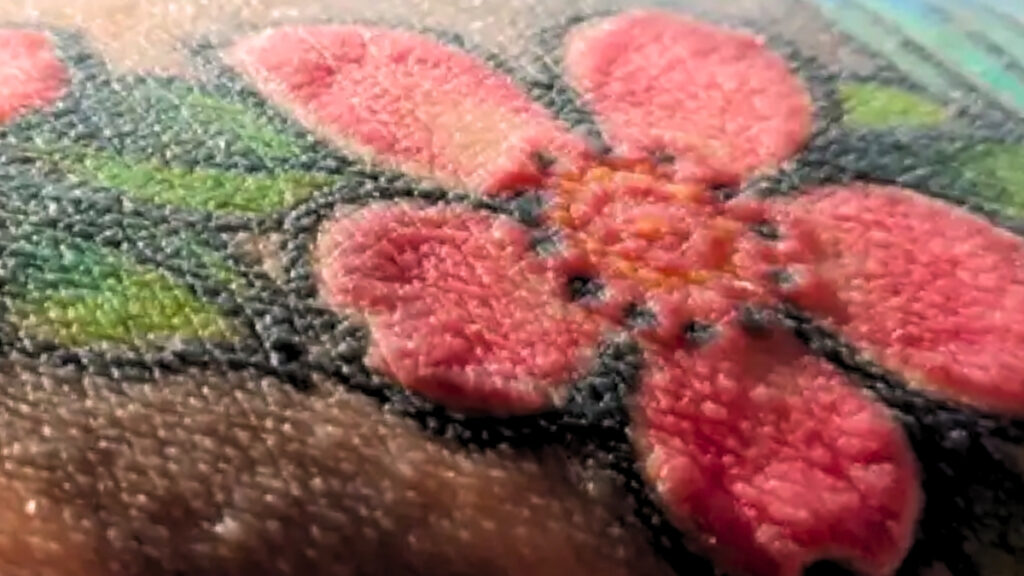
A Polish man in his thirties has endured a lengthy and challenging journey due to severe allergic reactions triggered by red tattoo ink. This ordeal involved multiple surgeries to remove his tattoo, highlighting the potential health risks associated with certain tattoo pigments.
The man began experiencing alarming symptoms approximately four months after receiving a tattoo on his right forearm. Initially, he developed a red, itchy rash that spread across his arms and chest. As the condition escalated, he suffered from erythroderma, a serious and widespread skin inflammation. Initially misdiagnosed as eczema, the situation became clearer when “eruption-like changes” specifically appeared in the red-pigmented areas of his skin after he discontinued medication.
Over the years following his tattoo, the man faced further complications, including the loss of his ability to sweat, the shedding of all his body hair, and the onset of vitiligo, a skin condition that lightens the skin. An allergy specialist at Wroclaw Medical University recommended surgical removal of the inflamed parts of the tattoo, leading to gradual improvement in his skin condition. His health improved significantly only after the complete removal of the red ink and the administration of immunosuppressive drugs, which allowed for hair regrowth and halted the progression of vitiligo. Nevertheless, the damage to his sweat glands persists, leaving him with a slim chance of regaining their function.
Cases like this, while rare, underscore a concerning trend. Surveys indicate that approximately 6 percent of individuals may experience systemic reactions or persistent health issues following tattooing, while up to 67 percent report varying degrees of skin reactions. The medical team involved in this case has emphasized the importance of regulating tattoo ink composition and enhancing education for both artists and the public about tattoo safety.
In 2022, two years after the man received his tattoo, the European Union enacted regulations aimed at restricting harmful chemicals in tattoo inks. Despite this progress, many countries still lack comprehensive regulations. Complicating matters for the medical team was their inability to obtain a sample of the red ink from the tattoo artist, preventing them from testing for toxic and carcinogenic substances often found in red pigments, such as mercury and synthetic azo dyes.
Tattooing is a practice steeped in cultural significance, yet the evolving understanding of how these pigments affect the body is raising concerns. Recent studies indicate that some tattoo inks may contain undisclosed compounds that complicate the identification of allergens. In this case, the team suspects that the unknown contents of the red ink triggered an exaggerated immune response, exacerbated by the man’s pre-existing autoimmune condition, specifically Hashimoto’s thyroiditis.
Skin biopsies from the man revealed a troubling reduction in sweat glands, even in untattooed skin. The medical team cautions that individuals with autoimmune diseases, such as asthma, celiac disease, and atopic dermatitis, should exercise particular caution when considering tattoos.
Due to his lasting inability to sweat, the Polish man now faces a heightened risk of heat-related illnesses. His daily routine has changed significantly; he uses a spray bottle to stay cool but can no longer engage in exercise or work as he once did. This case, documented in the journal Clinics and Practice, serves as a critical reminder of the potential health implications associated with tattooing and the need for increased awareness and regulation in the industry.