




Prime Minister Anthony Albanese is under growing pressure to address significant challenges facing Australia’s private health system. This follows recent events that have highlighted the need for a comprehensive review of the sector, particularly in light of financial instability affecting private hospitals.
Challenges Facing Private Hospitals
Recent developments reveal that Australia’s second-largest private hospital group, heavily impacted by inflation and prior management decisions by Brookfield Asset Management, is struggling to maintain operations. The financial health of both for-profit and non-profit private hospital operators is deteriorating, raising concerns about their sustainability in the current economic climate.
The rising cost of living and inflation have made it increasingly difficult for hospitals to operate efficiently. Many facilities face the challenge of adapting to new medical practices, such as day-only surgeries, which reduce the need for overnight stays. This shift may necessitate painful adjustments, potentially leading to the closure of some hospitals.
The government is apprehensive about the implications of private hospital closures, given the rising demand for healthcare services from an aging population. As the demand increases, the need to protect the viability of the private health system becomes critical.
Proposed Funding Changes
To address these issues, the Albanese government is considering the implementation of a National Efficient Price system. Modeled after the activity-based funding used for public hospitals, this system would dictate the payments private hospitals receive for their services. While this proposal aims to stabilize funding, it may inadvertently require private insurers to subsidize hospitals that are not economically viable.
According to Private Healthcare Australia, such changes could increase premiums for health insurance, potentially leading to a loss of coverage for up to half a million Australians. If younger, healthier individuals opt out of private insurance due to rising costs, the entire system could face a downward spiral, with higher premiums required to cover an older, sicker demographic.
This situation poses a direct challenge to the balance of Australia’s healthcare system, which relies on both public and private funding. A reduction in private cover would inevitably increase the burden on public hospitals, which are already under pressure to improve funding and service delivery.
The government is currently engaged in negotiations regarding the National Disability Insurance Scheme, which includes provisions to redirect children with low-level needs to state-funded services. This highlights the broader financial challenges the government faces and the necessity of reforming federal financial relations to ensure the long-term viability of healthcare services across the nation.
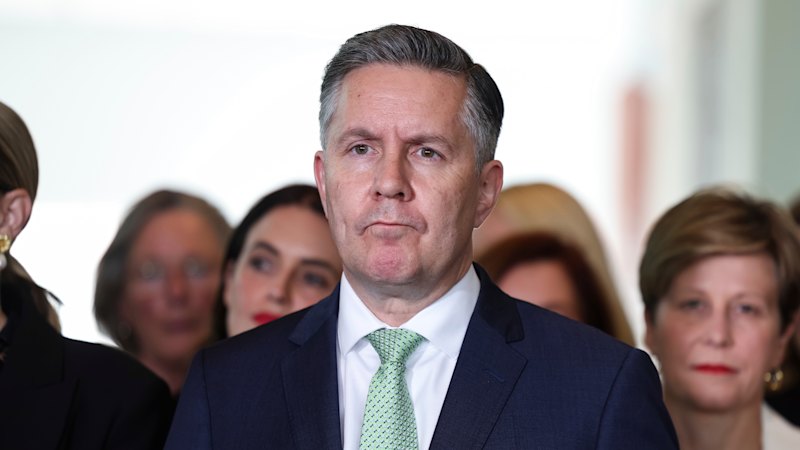
Minister for Health, Mark Butler, is aware of the political ramifications of maintaining private hospitals that provide essential services and support local economies, especially in regional areas. However, he must navigate this landscape carefully to avoid government interventions that could exacerbate inefficiencies within the private health sector.
While a thorough examination of the operations and profitability of health funds is warranted, it is crucial to recognize that there is no straightforward solution. The expectation that insurers can simply absorb increased costs without passing them on to members is unrealistic. If health funds submit requests for higher annual premium increases, the responsibility for approval will ultimately fall on the health minister, challenging the government’s political standing.
As the situation evolves, the Albanese government must balance the need for immediate action with long-term strategies to ensure the sustainability of Australia’s healthcare system, addressing both public and private sector needs effectively.