



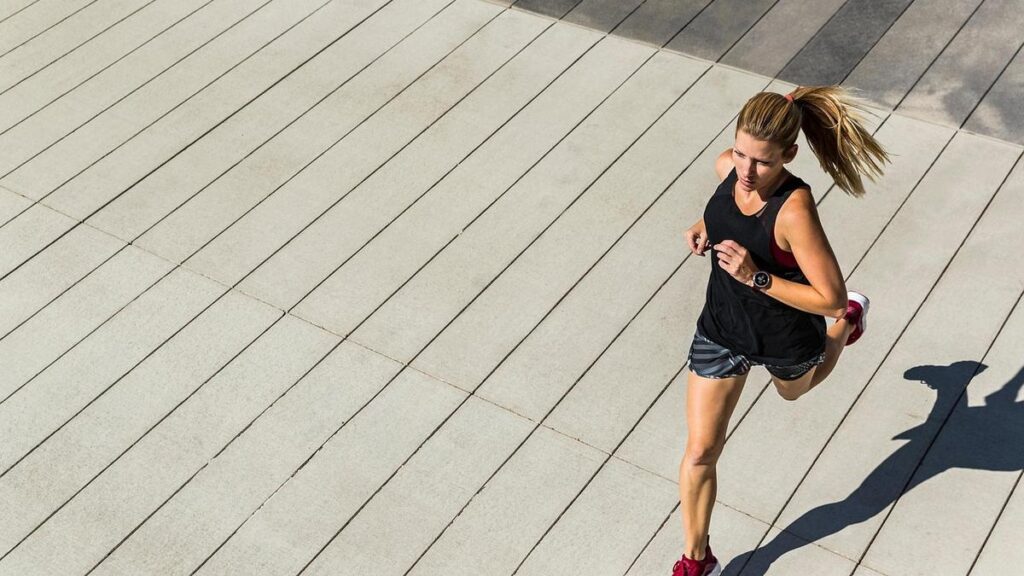
A recent discussion has emerged regarding the appropriateness of exercise attire in public spaces, particularly in local parks. An individual known as “Offended” expressed concern over the revealing clothing choices of younger fitness enthusiasts, noting that males often run shirtless while females opt for tight, sheer garments that resemble beachwear more than workout attire. The debate raises questions about societal norms and the boundaries of decency in public.
Changing Attitudes Toward Exercise Clothing
Traditionally, clothing deemed risqué was reserved for specific venues such as beaches or nightlife. In contrast, the current trend sees individuals embracing a more relaxed approach to fitness wear. This shift is evident in the attitudes of many, including celebrities like Jennifer Lopez, who famously remarked at a recent concert, “If you had this booty you’d be naked too!” Such remarks reflect a growing acceptance of body positivity and self-expression among younger generations.
However, not everyone shares this view. The individual known as “Offended” voiced discomfort with the level of exposure in modern athletic attire. While some may celebrate the freedom of choice in fashion, others feel that the current trends may overshadow modesty and propriety, especially in public settings where families and children are often present.
Fashion’s Impact on Public Perception
The evolution of activewear has not gone unnoticed, and some argue that the standards for what is considered appropriate have shifted dramatically. The rise of form-fitting leggings and tops has led to a new norm that emphasizes body shape and fitness levels. Yet, this has sparked a conversation about whether such attire contributes to a culture of indecency or simply reflects a changing societal landscape.
In a humorous anecdote, “Offended” recounted a recent shopping mishap involving a pair of leggings that unintentionally highlighted her age-related concerns about body image. The incident underscores the challenges many face in adapting to contemporary fashion trends. She jokingly promised to keep a shirt tied around her waist to maintain a sense of decorum while exercising in the park.
While there is no legal framework regulating what individuals can wear during exercise, the conversation continues to evolve. Fashion trends, characterized by their cyclical nature, often change, leading to varying cultural expectations. As styles come and go, the question remains whether future generations will adopt more conservative workout apparel or continue to embrace the current trend of minimalism.
In conclusion, the debate surrounding exercise attire highlights broader themes of body positivity, personal choice, and public decency. As society navigates these changing norms, individuals like “Offended” may need to reconcile their preferences with the realities of modern fashion, ultimately fostering a more accepting environment for all.