


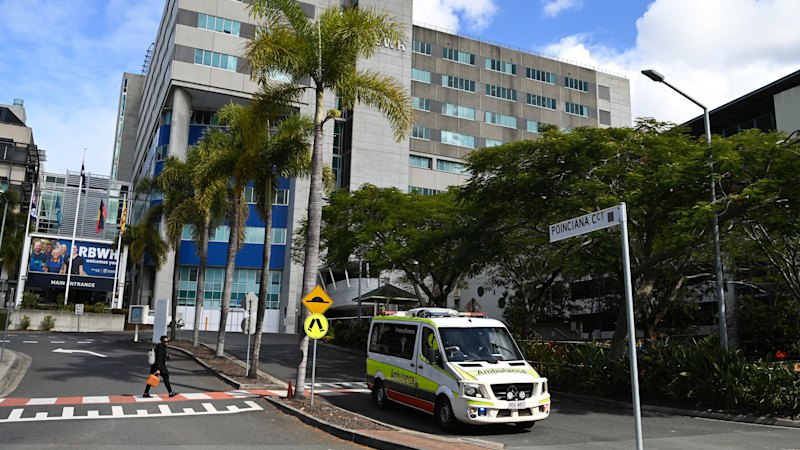
Queensland Health has announced a significant milestone in its medical workforce, revealing that a record 931 graduate doctors will begin rotations at hospitals across the state in 2026. This announcement was made by Health Minister Tim Nicholls during a press event at the Royal Brisbane and Women’s Hospital on March 12, 2024. The intake marks the largest number of medical interns in Queensland’s history, a move aimed at bolstering the health sector amidst growing demand.
“This is the largest-ever intake of new interns in Queensland Health’s history,” Nicholls stated, highlighting the achievement as a critical step toward enhancing the healthcare workforce. He noted that this intake surpasses that of both New South Wales and Victoria, stating, “We’re also winning the State of Origin because it is larger than the intake in New South Wales, and it is larger than the intake in Victoria.” This trend reflects a growing preference among young doctors to establish their careers in Queensland.
The new interns will undergo five rotations, each lasting ten weeks, across various specialties, including emergency medicine and general surgery. These rotations will take place in hospitals extending from Brisbane to regional centers like Cairns, Townsville, Mackay, and Rockhampton. Nicholls expressed optimism that the program would provide a positive experience for the graduates, encouraging them to remain in the public health system long-term.
“Not everyone will stay in our hospital system – we get that – but it’s important that people have a great experience here,” he added. “This will help encourage more doctors to return to the health system after their internships and professional admissions.”
As Queensland’s health services grapple with increasing pressure, Nicholls pointed to a pressing need for more healthcare professionals. According to modeling, the state will require an additional 46,000 health workers over the next decade. “We know we’re going to need more clinicians,” he said, noting that a workforce strategy will be developed to address this gap.
Dr. Nick Yim, president of the Australian Medical Association Queensland, emphasized the importance of the new doctors’ rotations in shaping their understanding of modern medicine and patient care. “These are the surgeons, the physicians, the psychiatrists, the pathologists, the radiologists, and the general practitioners of tomorrow, and it’s crucial we look after them as they begin their medical journey,” he stated.
In addition to workforce concerns, Nicholls addressed the importance of vaccination as Queensland approaches the flu season. He noted a nationwide trend of hesitancy among residents regarding vaccinations for preventable diseases. “This is not a Queensland problem; this is a nationwide problem,” he remarked.
Nicholls, who was the first state health minister in Australia to authorize FluMist, a nasal spray vaccine, encouraged vaccinations among the public. “I’ve tried it out. It’s completely and utterly painless,” he stated, confirming that 500,000 doses of FluMist have been ordered to ensure availability for the upcoming flu season.
As Queensland positions itself to strengthen its healthcare workforce and combat vaccine hesitancy, the record intake of medical interns represents not only a pivotal moment for the state but also a commitment to enhancing the overall health system for the future.