




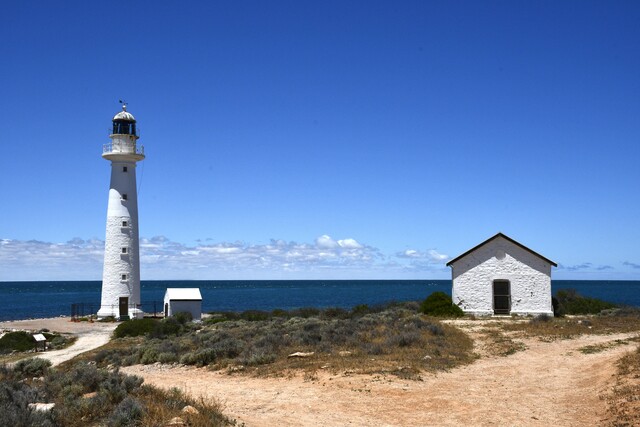
Testing conducted at Whyalla and Point Lowly has revealed a notable decrease in the number of Karenia cells, a type of harmful algal bloom associated with marine health risks. This development comes as a relief to local authorities and marine scientists who have closely monitored the situation.
The presence of Karenia cells can lead to detrimental effects on aquatic life and pose health risks to humans. The recent findings indicate that the concentrations of these cells have diminished significantly since the last assessments were performed. While this reduction is promising, experts caution that the risk associated with potential blooms remains a concern.
Ongoing Monitoring and Implications
Local environmental agencies, including the Environmental Protection Agency, are continuing their surveillance efforts. They emphasize the importance of ongoing monitoring to ensure that the situation does not worsen. Marine scientists assert that fluctuations in algal populations are not uncommon, and vigilance is necessary to mitigate any future risks.
Dr. Emma Carter, a marine biologist involved in the assessments, stated, “While we are encouraged by the decrease in Karenia cell counts, it is vital to remain proactive. The environmental conditions that foster these blooms can change rapidly, and we must be prepared for any resurgence.”
The community of Whyalla, situated along the coastline of South Australia, relies heavily on its marine ecosystems for both tourism and fishing industries. Thus, the health of local waters is of paramount importance not only for biodiversity but also for the economic wellbeing of the region.
Future Actions and Community Engagement
In light of these recent findings, local officials are planning to engage with the community to raise awareness about algal blooms and their impact. Public information sessions are expected to be held in the coming weeks to educate residents about how to recognize and report any unusual marine occurrences.
As testing continues, it is crucial for both scientists and community members to collaborate in safeguarding the marine environment. Ongoing research and community involvement will be key to understanding and managing the risks associated with algal blooms in Whyalla and beyond.
The situation remains dynamic, and updates will be provided as further testing and analysis occur.