




A recent study has unveiled a significant breakthrough in cancer research, revealing that blocking the TAK1 protein can slow cancer growth in mice. Conducted by a team of researchers from institutions in Australia and Ireland, this research offers promising insights into enhancing the immune system’s ability to combat cancer.
Through an extensive screening process, scientists identified that the gene responsible for producing the TAK1 protein plays a crucial role in helping cancer cells evade the immune system. In laboratory settings, researchers switched off various genes in cancer cells to assess their effects. The findings indicated that tumors in mice lacking the TAK1 protein grew at a slower rate and resulted in longer survival times on average.
Implications for Future Cancer Treatments
The implications of this research could lead to the development of new cancer treatments that specifically target TAK1 production. As Anne Huber, a cancer cell biologist at the Olivia Newton-John Cancer Research Institute, explained, “It is known that TAK1 promotes cancer cell survival and blocks cell death. However, we didn’t know that cancer cells use this tactic to avoid killing by the immune system.”
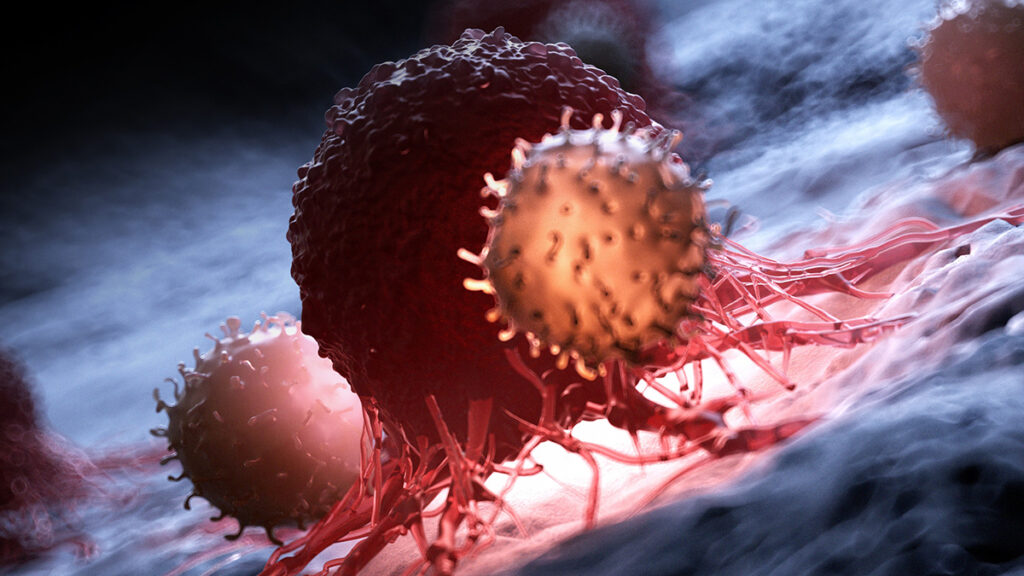
The study delved deeper into the mechanisms by which TAK1 protects cancer cells. It was found to shield these cells from the activity of CD8+ T cells, which are vital components of the immune response that eliminate damaged cells and target cancer cells. When TAK1 is absent, these immune cells can release chemical signals known as cytokines, enhancing their effectiveness in attacking tumors.
While the research primarily focused on melanoma, the potential for these findings to be applicable to other forms of cancer remains promising. However, further studies are necessary to explore the translational potential in human subjects and a broader range of cancers.
Challenges and Considerations
The safety of patients is always paramount in any new cancer treatment approach. While blocking the TAK1 protein could enhance the effectiveness of current immunotherapies, researchers must carefully evaluate any potential adverse health effects on the body. Tirta Djajawi, a medical biologist at ONJCRI, noted, “Blocking TAK1 could make current immunotherapies more effective by stripping tumors of this protection. TAK1 is like a shock absorber that lets cancer cells survive the immune system’s hardest hits. Remove it, and the tumor collapses under the force of immune attack.”
The study, which has been published in Cell Reports, marks a critical step forward in the ongoing fight against cancer. As researchers continue to explore the intricacies of the immune response and cancer cell survival mechanisms, the development of more effective treatments looms on the horizon.