

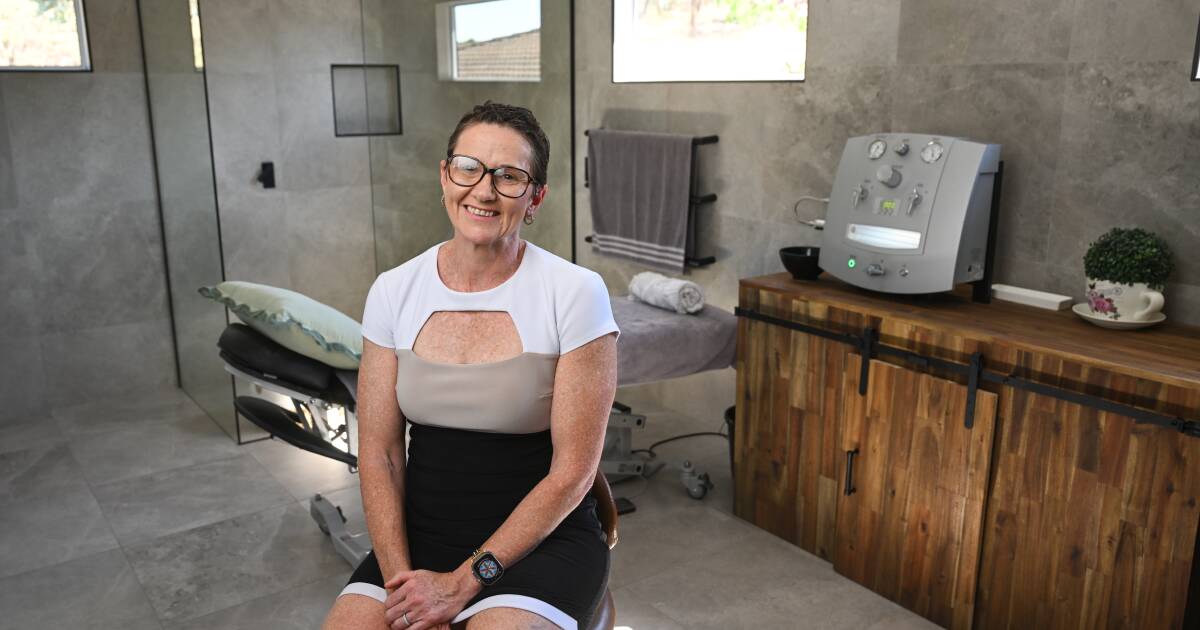

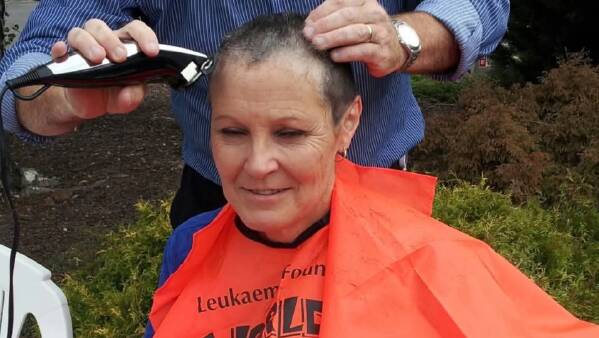
A significant shortage of medical professionals in rural areas is forcing patients like Lou Papps, a 64-year-old cancer patient from Peterborough, South Australia, to travel long distances for essential healthcare. Lou, who is battling both emphysema and myeloma, regularly drives several hours each week to access treatment, highlighting the urgent need for better incentives to attract doctors to rural communities.
Lou’s routine involves a one-hour round trip to Jamestown for weekly blood tests. She often finds herself faced with a lengthy wait at the local hospital’s Emergency Department, where she could spend four to five hours waiting for her tests. “The permanent staff are under so much pressure,” Lou said, acknowledging the difficulties faced by medical personnel in the area.
Fridays bring another lengthy journey, this time to Port Pirie for chemotherapy, which adds approximately three hours of driving each week. “Some days I’m on autopilot behind the wheel,” Lou admitted, expressing concern about the risks associated with such long drives while unwell.
Lou moved to Peterborough in 2021, seeking a peaceful life in a supportive community after a career in nursing and aged care. Despite her health struggles, she appreciates the warmth of the local community. “It’s home,” she remarked, noting how the local café owner, Evie, has helped her forge new friendships.
The bond within the community has been particularly evident in recent times. Lou supported a terminally ill friend through their final days, describing it as a day filled with laughter and cherished memories. However, Lou’s own end-of-life wishes are shaped by her experiences. She has discussed her desires openly with her two grown children, one residing in Tasmania and the other in Adelaide. “Nobody wants to see people suffer,” she emphasized.
Lou hopes that when her time comes, the lack of permanent doctors in Peterborough won’t force her to wait too long for care. She fears the fate of individuals who pass away alone without being discovered for days. “This happens when seriously ill people in rural areas can’t see doctors,” she explained.
The absence of a medical centre in Peterborough has compounded these challenges, according to Lou. She is deeply concerned that the healthcare system is failing to meet the needs of an aging population. “Something’s got to change. We’re an older population, and this situation is only going to get worse,” she warned.
Lou believes that greater government incentives for medical professionals in rural areas could alleviate some of the pressures on urban health systems. “Now, you don’t get what you need in a regional town,” she said. “It’s a knock-on effect that affects everybody.”
Her call for action highlights a growing concern among rural residents who are increasingly finding themselves without access to essential medical services. Lou’s determination to remain independent is evident, even as her health conditions challenge her daily life. She playfully declined her son’s offer to move in with him in Adelaide, joking that it would “cramp his dating style.”
Reflecting on her nursing career, Lou recalls a time when rural healthcare was more accessible and adequately resourced. The current state of healthcare in rural areas like Peterborough raises alarm bells about future care availability. “Just because we’re little, it doesn’t mean we don’t exist,” Lou stated firmly. “We all exist. And it’s a beautiful town.”
As Lou continues to navigate her treatment and advocate for improved healthcare access, her story underscores the pressing need for systemic changes that support both medical professionals and patients in rural communities.