


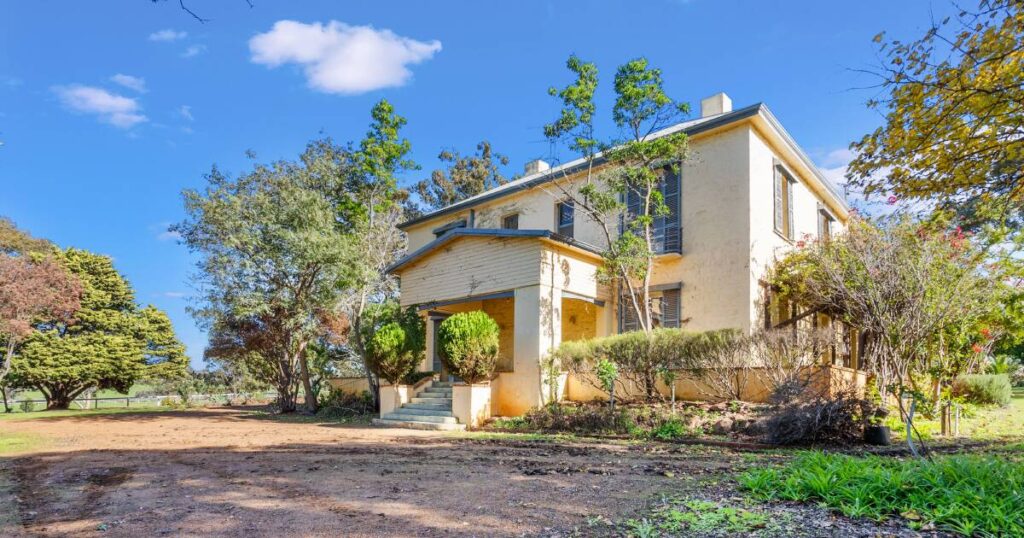
The demand for rural lifestyles in Australia is increasing as individuals respond to their mental health needs, according to insights from real estate expert John Garland, principal of Garland International. With a career spanning over 76 years in the real estate sector, Garland has observed significant shifts in rural and regional areas, particularly as people seek solace away from urban environments.
As 2025 unfolded, Garland noted a troubling trend in Western Australia (WA), where further aggregation of properties has led to the loss of more than 35,000 farmers. He highlighted a range of factors influencing this decline, including the migration of young people away from the agricultural sector and fluctuations in interest rates. These changes have contributed to a challenging landscape for those involved in rural property sales.
Water Scarcity and Political Challenges
Garland emphasized that one of the pressing issues for the agricultural property sector in 2026 is water scarcity, which he referred to as “the new gold in WA.” He expressed concern that government priorities often overlook the needs of the agricultural industry, which represents 91 percent of the state’s land use. This oversight affects vital sectors, including grain-growing and livestock-rearing, as well as tourism in regional areas.
“We are one of the driest areas of this favored and largest island on earth,” Garland stated. He criticized Australia’s two-party political system for its inability to effectively manage the balance between agricultural needs and political agendas. This imbalance, he argues, is detrimental to both the environment and the economy.
Renewable Energy and Market Trends
Looking ahead, Garland indicated that renewable energy will continue to be a significant topic of discussion in 2026. He called for a deeper understanding of energy debates, noting that solutions extend beyond the installation of wind turbines. The evolving energy landscape will undoubtedly impact rural and regional property markets as energy needs become more pressing.
Garland also highlighted a notable shift in the rural real estate market. The surge in demand for rural lifestyle properties reflects a broader societal trend, with many individuals prioritizing mental health and well-being. The appeal of rural living is increasingly recognized as a remedy for urban stress, prompting a re-evaluation of lifestyle choices among Australians.
In summary, the intersection of mental health, agricultural decline, and political management is shaping the future of rural living in Australia. As the landscape continues to evolve, the importance of addressing these factors will be crucial for sustaining both the agricultural sector and the well-being of those who choose to embrace rural lifestyles.