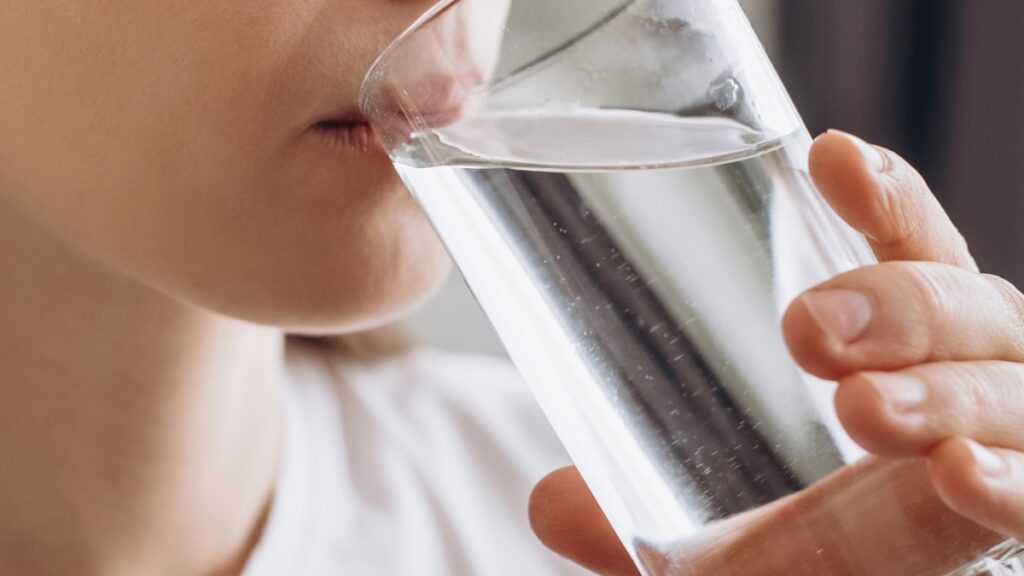
Recent research from scientists in China reveals an effective method for removing microplastics from drinking water, which could have significant health implications. In a study published in Environmental Science & Technology Letters in 2024, the team demonstrated that boiling water followed by filtering can significantly reduce the presence of tiny plastic fragments known as nanoplastics and microplastics (NMPs) in both soft and hard tap water.
The study highlights a growing concern regarding the contamination of drinking water with microplastics. According to the researchers, “Tap water nano/microplastics escaping from centralized water treatment systems are of increasing global concern, because they pose potential health risks to humans via water consumption.”
Effective Reduction of Microplastics
During the study, the researchers conducted tests on samples of hard tap water, which is rich in minerals, and soft water. They added specific quantities of NMPs to the water, boiled it, and then filtered the liquid to remove any precipitates. The results were striking, with the boiling and filtering method achieving up to a 90 percent reduction in NMPs, depending on the type of water used.
Biomedical engineer Zimin Yu from Guangzhou Medical University and colleagues noted that the boiling water strategy not only is simple but also can be implemented using common kitchen tools. “This simple boiling water strategy can ‘decontaminate’ NMPs from household tap water and has the potential for harmlessly alleviating human intake of NMPs through water consumption,” the researchers stated.
Interestingly, the study found that a greater concentration of NMPs was removed from hard tap water samples. This is partly due to the formation of limescale, or calcium carbonate, which traps plastic fragments as it precipitates during the heating process. The efficiency of nanoplastic removal increased with the hardness of the water, achieving removal rates of 34 percent at 80 mg L−1 of calcium carbonate, rising to 90 percent at 300 mg L−1.
The Broader Implications of Microplastic Contamination
The presence of microplastics in drinking water is a pressing global issue. According to a literature review from the University of Texas at Arlington, a significant proportion of microplastic exposure may come from drinking water, as current wastewater treatment methods do not effectively eliminate these particles. Since the onset of plastic production, more than 9 billion metric tons of plastic have been created, much of which has degraded into smaller fragments that now permeate the environment, including human bodies.
“Drinking boiled water apparently is a viable long-term strategy for reducing global exposure to NMPs,”
While the exact health risks associated with microplastics remain unclear, studies have linked them to changes in gut microbiomes and increased antibiotic resistance. The research team emphasizes the need for further studies to explore how boiling water can mitigate the effects of microplastics. They conclude, “Our results have ratified a highly feasible strategy to reduce human NMP exposure and established the foundation for further investigations with a much larger number of samples.”
As microplastics continue to infiltrate our lives through various channels—including clothing, personal care products, and food packaging—this new boiling water method offers a practical solution for households. The researchers hope that this practice can gain traction globally, particularly in regions where boiling drinking water is already a common tradition.
In summary, the findings provide a promising avenue for reducing the health risks associated with microplastic consumption, highlighting the need for public awareness and further research on the effectiveness of such straightforward interventions.