A recent study from the University of Sydney has revealed crucial insights into how glioblastoma, a particularly aggressive form of brain cancer, evades chemotherapy, leading to its recurrence in nearly all patients. This discovery offers hope for the development of new treatments that may improve outcomes for those diagnosed with this devastating condition.
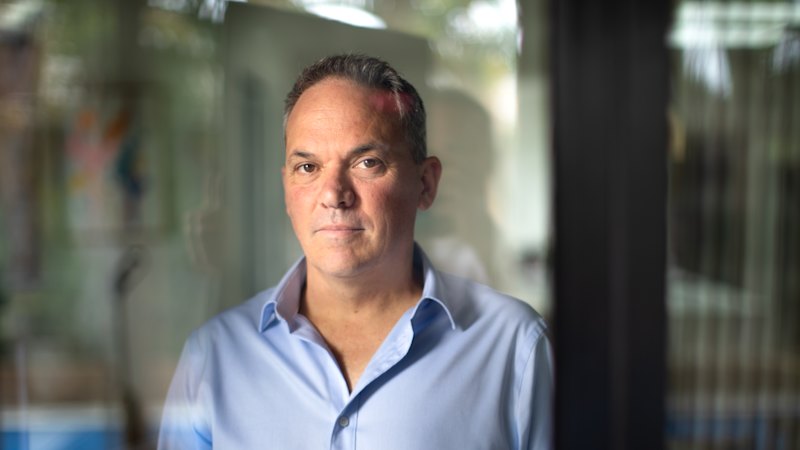
Mark Norris, a 52-year-old resident of Melbourne, experienced a life-altering moment in January when he was diagnosed with glioblastoma after a medical episode left him disoriented. An MRI revealed a tumor the size of two mandarins pressing against his brain. Following an emergency surgery, Norris underwent six months of intense radiation and chemotherapy. Despite completing his treatment, Norris now faces the grim reality that there are no further medical options available, only the uncertainty of when the cancer will return.
In the study published in Nature Communications, researchers identified a small group of drug-resistant cells within glioblastomas known as “persister cells.” These cells remain dormant during chemotherapy and re-emerge after treatment concludes. The research pinpointed the role of the gene PRDM9, typically associated with fertility, in fueling the survival of these persister cells by supplying the necessary cholesterol.
Professor Lenka Munoz, the lead author of the study, explained that inhibiting the PRDM9 gene immediately after chemotherapy leads to a significant reduction in the number of these resilient cells. “When you turn off that fertility gene, they basically do not have a supply of cholesterol, and they die,” Munoz stated. This discovery marks the first time PRDM9’s involvement in glioblastoma recurrence has been documented.
The implications of this research are significant, although human trials remain years away. The University of Sydney team is collaborating with Australian company Syntara to explore potential drug therapies in animal models.
Current treatment options for glioblastoma have not evolved in decades, with the median survival rate stagnating at approximately 15 months. Various new therapies are being trialled in Australia, including an experimental immunotherapy that was first administered to former joint Australian of the Year Richard Scolyer following his own diagnosis in 2023.
Norris, who is actively engaged in fundraising efforts alongside Scolyer with the organization Tour de Cure, expressed his determination to contribute to advancements in glioblastoma research. “I’m fortunate to be alive and I want to use my time to accelerate research into better treatments,” he said.
As families like Norris’s confront the harsh realities of cancer diagnoses, the hope that scientific breakthroughs can lead to improved therapies remains a driving force for patients and researchers alike.