

Research from the University of Queensland has revealed that women without children are more likely to seek mental health support compared to mothers. This finding has ignited discussions about the importance of understanding the specific mental health needs of childless women, particularly in light of declining fertility rates in Australia.
The study examined data from over 6,000 women over a span of 20 years, categorizing them into four groups: mothers, women without children by choice, those facing medical infertility, and women experiencing “social infertility,” such as lacking a suitable partner. While mental health service usage increased across all groups, the rise was notably higher among childless women, jumping from 7.4 percent in 2007 to nearly 17 percent in 2022.
Insights on Mental Health and Social Pressures
The trend was particularly pronounced among women who chose to remain childless or those experiencing fertility challenges. Infertility impacts approximately one in six couples in Australia, and previous studies indicate significant psychological distress among women wishing to conceive but unable to do so.
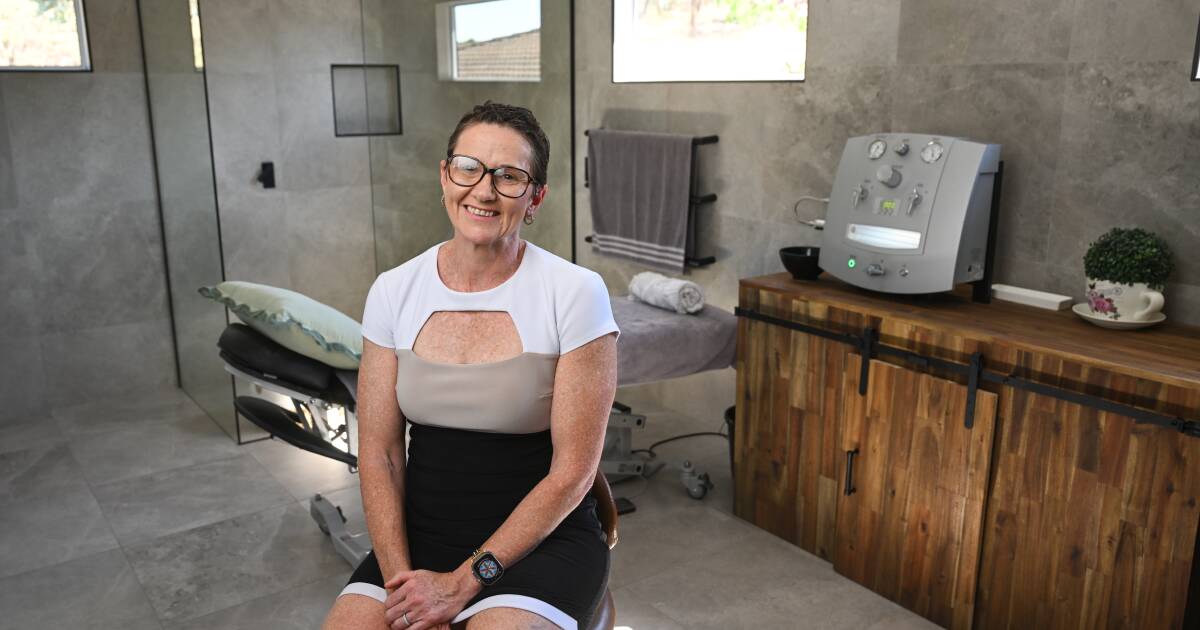
Dr. Chuyao Jin, a researcher at UQ’s School of Public Health and childless by choice, highlighted societal expectations as a potential factor behind the increased demand for mental health services. She noted, “When you choose not to have children, no matter whether it’s your personal choice or you want to have children but are facing medical or financial challenges, as you get older, you face more pressure and potentially social exclusion because you didn’t follow the social norm.”
Professor Gita Mishra, Director of the Australian Women and Girls’ Health Research Centre, echoed this sentiment, emphasizing the adverse effects of “pronatalist” attitudes on childless women. Mishra explained that mothers tend to have built-in social networks through childcare and related activities, while those without children might experience a decline in social support as they age.
Declining Fertility Rates and Growing Awareness
Fertility rates in Australia have been on a downward trend since 2001, with the Australian Bureau of Statistics projecting a further decline to a record low of 1.42 babies per woman by 2025–26. This decline underscores the necessity for research that addresses the health and well-being of childless women.
Dr. Jin pointed out that in 2021, 16.1 percent of women aged 45–49 in Australia were without children. Despite this growing demographic, there remains a significant gap in academic understanding of their mental health needs.
Both researchers stress the importance of further studies like theirs to shed light on this increasingly relevant population. The findings not only highlight the complexities surrounding mental health services for women but also call for greater societal awareness and support for those who do not conform to traditional family structures.
As discussions around fertility and mental health continue, understanding the unique challenges faced by childless women becomes increasingly vital.