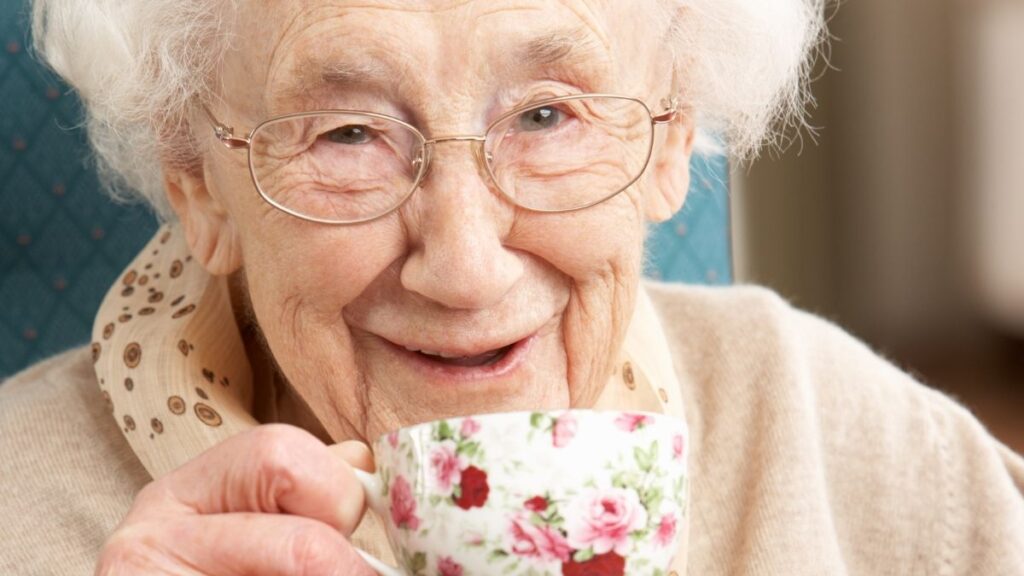
Research indicates that the daily choice between tea and coffee may significantly influence the risk of osteoporosis in older women. A study conducted by public health researchers from Flinders University in Australia examined the drinking habits of approximately 9,700 women aged over 65 years, shedding light on how these preferences could impact bone health.
Osteoporosis is a prevalent concern for women over the age of 50, with one in three expected to receive a diagnosis. This condition arises when the body fails to adequately replace old bone as it breaks down, resulting in brittle and weak bones that are more susceptible to fractures and healing difficulties. The risk increases for older women due to a decline in estrogen, a hormone critical for maintaining bone metabolism, particularly following menopause or surgeries that remove ovaries.
Impact of Tea and Coffee on Bone Health
The study analyzed self-reported tea and coffee consumption over a decade, correlating it with measurements of bone mineral density (BMD). Researchers utilized X-ray beams to assess BMD in the hip and the femur’s connection to the hip, determining the mineral content of the bones.
Results indicated that women who regularly consumed tea exhibited slightly but significantly higher hip BMD compared to those who did not. This finding suggests that compounds found in tea, known as catechins, may enhance the activity of bone-building cells. Additionally, tea consumption appeared to have a particularly positive effect on women with obesity.
In contrast, the effects of coffee consumption were more varied. Women who drank more than five cups of coffee daily were more likely to have lower BMD, aligning with previous studies that indicate caffeine can negatively affect calcium absorption. Furthermore, higher coffee intake correlated with reduced femur BMD in women who had consumed greater amounts of alcohol throughout their lives, suggesting a compounded impact on bone health when these substances are combined.
Implications and Recommendations
It is vital to note that the study population was predominantly white, which may limit the applicability of these findings to other demographics. Enwu Liu, an epidemiologist at Flinders University, emphasized that the study does not mandate a complete switch from coffee to tea. “Our results don’t mean you need to give up coffee or start drinking tea by the gallon,” Liu stated. “But they do suggest that moderate tea consumption could be one simple way to support bone health, and that very high coffee intake might not be ideal, especially for women who drink alcohol.”
While traditional recommendations for bone health focus on calcium and vitamin D, Liu suggests that beverage choices might also play a significant role. For older women, enjoying a daily cup of tea could serve not just as a comforting ritual but also as a beneficial step toward maintaining stronger bones.
The full research findings are published in the journal Nutrients, contributing to the growing body of evidence regarding lifestyle factors that influence bone health in aging populations.