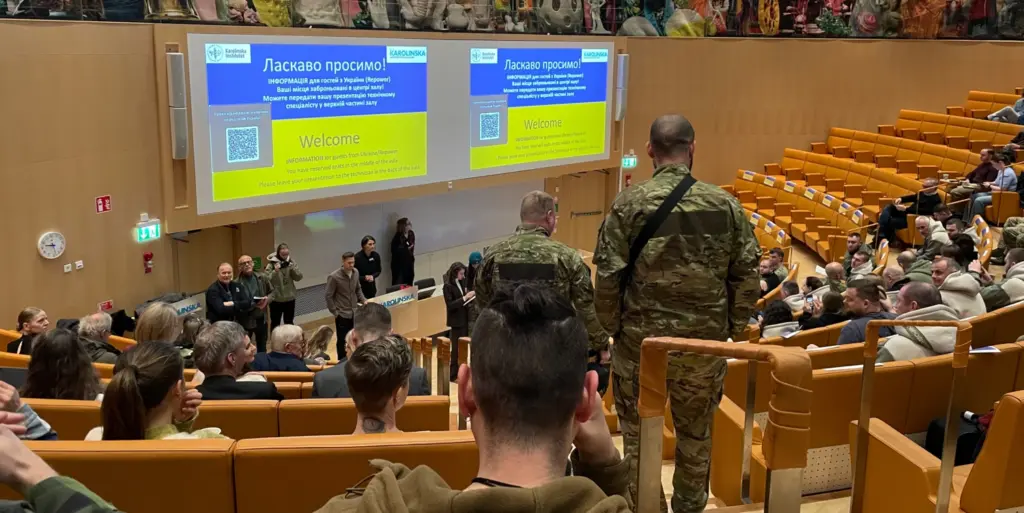
Ukrainian combat medics recently gathered in Stockholm to share their frontline experiences with Swedish healthcare professionals and decision-makers. This event, part of the Repower project, aimed to foster collaboration and knowledge exchange within Sweden’s total defense framework.
In mid-December, over a hundred Ukrainian medics visited the Karolinska University Hospital. The gathering was organized by Region Stockholm in conjunction with the Centre for Health Crises at Karolinska Institutet. The day featured discussions, presentations, and panel sessions focused on the realities of healthcare delivery amidst the ongoing conflict in Ukraine.
The program commenced with a presentation detailing the experiences of Karolinska University Hospital since Russia’s invasion in February 2022. The hospital has treated more than 100 Ukrainian patients, specializing in complex care for those requiring reconstructive surgeries. Following this, Ukrainian combat medics shared their firsthand accounts of managing injuries in a high-stakes environment.
The medics described their daily reality, which is fraught with danger and unpredictability. They recounted the challenges of stabilizing and transporting wounded individuals from injury sites to hospitals, emphasizing the use of drones and the constant risk of attack on healthcare personnel and facilities. The threat of direct assaults complicates planning and often prolongs patient evacuations.
Their narratives highlighted significant obstacles such as material shortages, limited resources, and varying levels of medical training. Importantly, the discussions underscored that healthcare needs extend beyond acute trauma. As the conflict drags on, more elderly civilians and vulnerable populations require ongoing care for chronic conditions like cancer, diabetes, and heart disease. Recognizing these needs can help prepare healthcare systems for future crises, a lesson relevant to Sweden’s own planning.
Mental health support emerged as a critical concern for both soldiers and civilians. The medics emphasized the importance of “peer support” and family involvement as coping mechanisms, alongside humor as a vital strategy for managing the emotional toll of their work.
The Ukrainian medics themselves have been instrumental in setting up “stabilization points” where injured individuals receive advanced care under challenging conditions. These points are critical for providing care for extended periods, especially when evacuation to hospitals is delayed.
The event concluded with a panel discussion involving Ukrainian medics and representatives from the Swedish Armed Forces, Region Stockholm, and the National Board of Health and Welfare. Key takeaways included the necessity for authorities to be responsive to evolving needs and to swiftly adapt treatment protocols and methods.
Participants stressed the importance of collaboration within the total defense system, emphasizing that all stakeholders must listen to the frontline workers’ experiences and insights. The Ukrainian medics called for improved access to training materials and flexible educational opportunities. They advocated for digital courses and specialized programs that could better equip them for their roles.
The resilience demonstrated by Ukrainian healthcare professionals has been a crucial factor in maintaining healthcare delivery under the severe pressures of war. Despite facing constant danger and resource limitations, these medics continue their vital work with unwavering determination, offering valuable lessons for Sweden’s ongoing defense preparedness.
Since its inception in 2022, the Repower NGO has been dedicated to supporting Ukrainian healthcare workers through rehabilitation and recovery programs. Each initiative includes psychological support, mindfulness sessions, outdoor activities, and cultural experiences, helping participants strengthen both their physical and mental health. So far, approximately 700 doctors and healthcare workers have benefitted from Repower’s programs, which are funded through donations and sponsorships from various organizations.
As the Ukrainian medics concluded their visit, they returned to a war-torn homeland, equipped with new insights and strengthened by their experiences in Sweden. Their ongoing commitment to delivering healthcare amidst adversity serves as a testament to their resilience and adaptability.